Nepal-Tibet floods: Trump offers aid as ~90 Americans reported affected
Synopsis
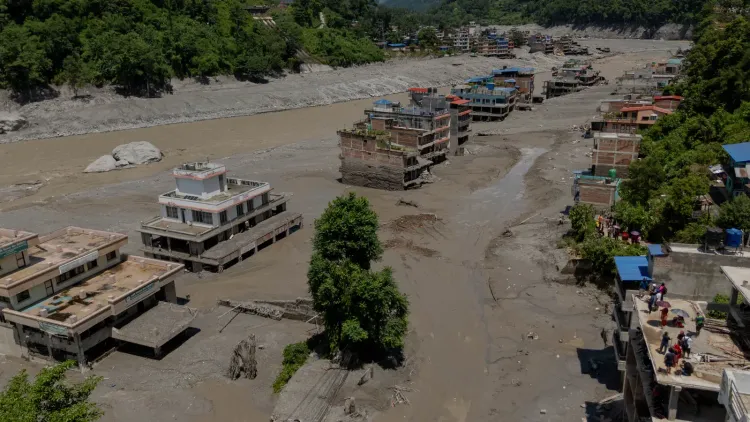
Around 90 Americans may have been caught in the Nepal-Tibet border floods — and some were reportedly on a spiritual pilgrimage to Mount Kailash. With Trump personally confirming Washington's outreach to Kathmandu, two Indian-American lawmakers pressing the State Department, and $500,000 already committed, the disaster has rapidly acquired a diplomatic dimension that goes beyond routine monsoon emergency response.
Key Takeaways
US President Donald Trump confirmed on 28 August that Washington had offered Nepal full assistance following the Nepal-Tibet border floods.
The State Department reported approximately 90 Americans may have been affected; 3 have been safely rescued with no confirmed US citizen deaths as of 8 am Eastern Time Thursday .
The US is providing $500,000 in emergency aid through Catholic Relief Services for shelter, relief supplies, and sanitation support.
Indian-American lawmakers Raja Krishnamoorthi and Suhas Subramanyam urged the State Department to intensify search-and-rescue efforts, with Subramanyam noting several Northern Virginia constituents are among the missing.
Some missing Americans were reportedly community leaders travelling to Mount Kailash for spiritual purposes.
Americans seeking emergency assistance may contact the US Embassy in Kathmandu at KathmanduACS@state.gov or call 1-888-407-4747 from the US and Canada.
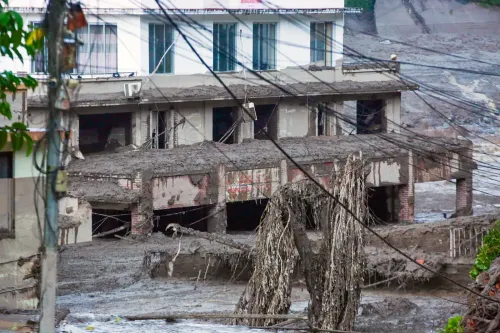
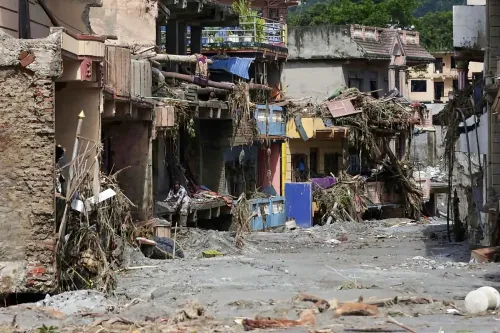
US President Donald Trump on Thursday, 28 August confirmed that Washington had offered Nepal any assistance it needed, as the State Department reported that approximately 90 Americans may have been affected by the devastating flash floods along the Nepal-Tibet border. Three American citizens had already been safely rescued, the department confirmed, adding it was not aware of any US citizen deaths as of 8 am Eastern Time on Thursday.
What Trump Said
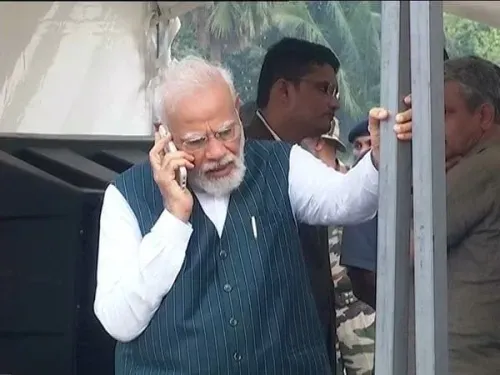
'We've called Nepal and offered any help that they need,' Trump told reporters at the White House. 'That was brutal,' he added. The remarks came as the scale of the disaster along one of the Himalayas' most heavily traversed pilgrimage routes became clearer.
US Response on the Ground
The State Department said its embassies in Nepal and China were working alongside local tour operators and authorities to assist Americans in the affected areas. A disaster response adviser has been deployed to the region. Additionally, the US is providing $500,000 in emergency assistance through a global award with Catholic Relief Services, directed at emergency shelter, relief supplies, and water, sanitation and hygiene support for flood-hit communities in Nepal. The department urged Americans in affected areas to monitor local news, follow instructions from local authorities, and enrol in the Smart Traveller Enrollment Program.
Indian-American Lawmakers Raise Alarm
Indian-American lawmakers Raja Krishnamoorthi and Suhas Subramanyam separately urged the State Department to intensify search-and-rescue efforts. Krishnamoorthi, an Illinois Democrat, called on the department to deploy every available resource and coordinate closely with Nepali and regional authorities. 'My thoughts are with everyone affected by the devastating floods in Nepal and Tibet, including the hundreds of people who remain missing,' he said. 'Reports that American citizens are among those still unaccounted for are deeply troubling, and my office is working to assist those seeking help locating family members and friends,' Krishnamoorthi added.
Subramanyam, who represents Virginia's 10th Congressional District, said several constituents from Northern Virginia were among those affected. 'The news of the flash floods at the Nepal-Tibet border is devastating. My prayers are with everyone who has been impacted by this terrible disaster,' he said, adding that some of the missing were community leaders who had travelled to the Himalayas for spiritual purposes. His office confirmed it was in regular contact with the State Department to ensure thorough search-and-rescue coordination and timely communication with families.
Why the Nepal-Tibet Border Is Especially Vulnerable
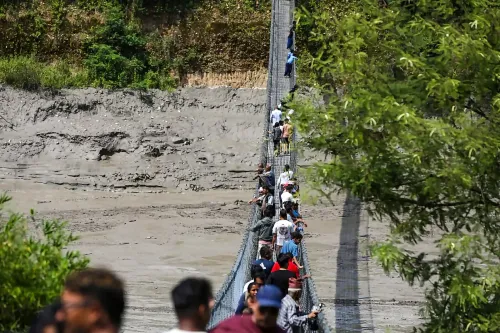
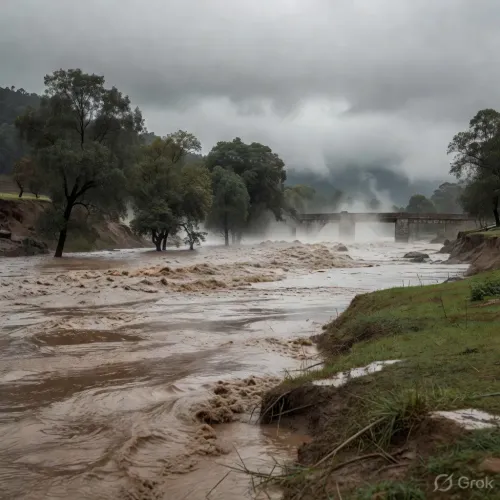
Nepal is acutely susceptible to flash floods, landslides and mudslides during the monsoon season, which typically runs from June to September. Difficult mountain terrain and damaged roads routinely complicate rescue operations and medical evacuations. The Nepal-Tibet border region serves as a key corridor for travellers and pilgrims heading toward Mount Kailash, considered sacred by Hindus, Buddhists, Jains and followers of the Bon tradition. The route draws visitors from India, the United States and numerous other countries, meaning international casualties are a recurring concern during monsoon emergencies.
How to Reach US Emergency Services
Americans affected in Nepal may contact the US Embassy in Kathmandu at KathmanduACS@state.gov. Those seeking information about relatives in Nepal may call 1-888-407-4747 from the United States and Canada, or 1-202-501-4444 from other locations. Nepal-led search-and-rescue operations were continuing as of Thursday, according to a State Department spokesperson.
With hundreds still reported missing and monsoon conditions persisting, the humanitarian situation along the Nepal-Tibet border remains fluid and is expected to draw further international attention in the days ahead.
Point of View
000 emergency commitment, while welcome, is modest relative to the scale of a multi-national Himalayan disaster. More critically, the presence of American pilgrims on the Kailash route — a corridor that sees thousands of international visitors each monsoon season — points to a recurring vulnerability that neither the US government nor tour operators appear to have adequately risk-mapped.
NationPress
28 Aug 2026
Frequently Asked Questions
How many Americans have been affected by the Nepal-Tibet border floods?
The US State Department reported that approximately 90 Americans may have been affected by the floods along the Nepal-Tibet border. As of 8 am Eastern Time on 28 August, three American citizens had been safely rescued and no US citizen deaths had been confirmed.
What aid is the US providing to Nepal after the floods?
The United States is providing $500,000 in emergency assistance through Catholic Relief Services, directed at emergency shelter, relief supplies, and water, sanitation and hygiene support for flood-affected communities in Nepal. A disaster response adviser has also been deployed to the region.
Why were Americans near the Nepal-Tibet border?
The Nepal-Tibet border region is a major route for pilgrims and travellers heading to Mount Kailash, a mountain considered sacred by Hindus, Buddhists, Jains and followers of the Bon tradition. It attracts visitors from India, the United States and other countries. Some of the missing Americans were reportedly community leaders who had travelled there for spiritual purposes.
What have Indian-American lawmakers said about the Nepal floods?
Illinois Democrat Raja Krishnamoorthi and Virginia Congressman Suhas Subramanyam separately urged the State Department to intensify search-and-rescue efforts. Subramanyam noted that several of his Northern Virginia constituents were among those affected or missing, and his office confirmed it was in regular contact with the State Department.
How can Americans in Nepal or their families get emergency help?
Americans affected in Nepal can contact the US Embassy in Kathmandu at KathmanduACS@state.gov. Family members seeking information may call 1-888-407-4747 from the United States and Canada, or 1-202-501-4444 from other locations.