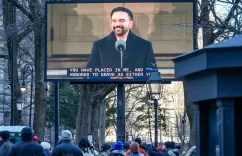
PM Modi greets nation on World Sanskrit Day
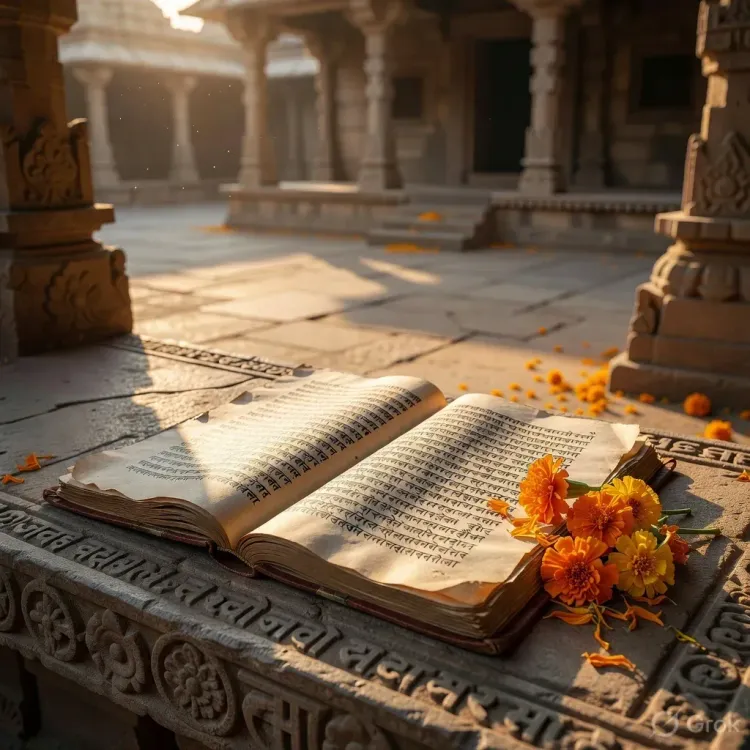
Synopsis
Prime Minister Narendra Modi marked World Sanskrit Day on Shravana Purnima with greetings written in Sanskrit, calling the language India's enduring carrier of knowledge and creativity. The observance aligns with NEP 2020 provisions to strengthen Sanskrit in Indian education.
Key Takeaways
Prime Minister Narendra Modi extended greetings on World Sanskrit Day , writing his message in Sanskrit itself.
World Sanskrit Day is observed annually on Shravana Purnima , the full moon of the Shravana month, which also coincides with Raksha Bandhan .
Modi described Sanskrit as India's 'unbroken carrier of knowledge, thought, and creativity' whose influence remains visible across many fields today.
The National Education Policy 2020 includes provisions to strengthen Sanskrit as a classical language option in schools and higher education.
The post continues a consistent pattern of the Prime Minister using cultural heritage observances to highlight India's ancient knowledge systems.
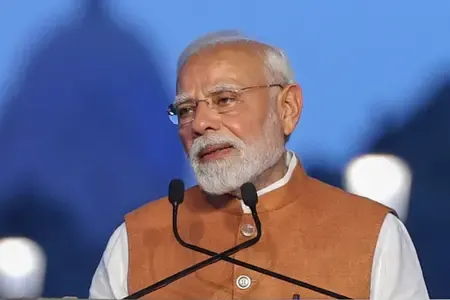
On the full moon of Shravana — a day the Hindu calendar has long tied to learning and tradition — Prime Minister Narendra Modi extended greetings to the nation on World Sanskrit Day, celebrating the language as India's unbroken carrier of knowledge, thought, and creativity.
Writing in Sanskrit itself, Modi offered his message: 'विश्वसंस्कृतदिवसस्य शुभाशयाः' ('Greetings on World Sanskrit Day'), marking Shravana Purnima as the occasion to honour what he described as a language whose positive influence remains visible across many fields even today.
Shravana Purnima and the Sanskrit connection
World Sanskrit Day is observed every year on Shravana Purnima, the full moon day of the Shravana month in the Hindu lunar calendar — a date that traditionally coincides with Raksha Bandhan. The choice of this day is deliberate: Shravana Purnima carries deep associations with Vedic learning and the ancient practice of renewing scholarly vows, making it a fitting anchor for a celebration of the language in which much of India's classical knowledge was first articulated.
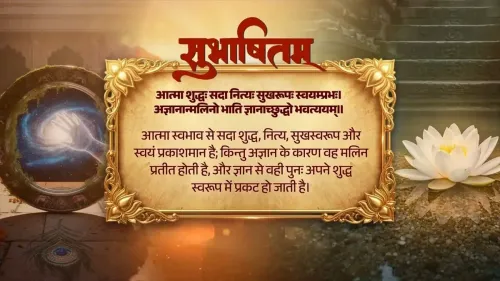
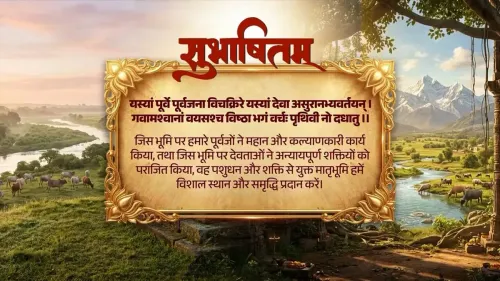
Sanskrit is recognised as one of India's classical languages and remains the root from which a large share of modern Indian languages draw vocabulary, grammar, and literary form. Its corpus spans philosophy, mathematics, astronomy, medicine, and poetry — an intellectual inheritance that scholars argue has no parallel in antiquity for sheer breadth.
Sanskrit in India's education framework
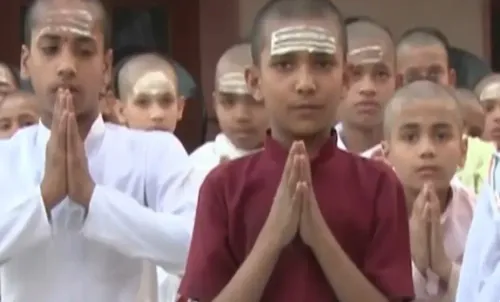
The National Education Policy 2020 includes specific provisions to strengthen Sanskrit's place in Indian schooling and higher education, positioning it as an elective classical language option at multiple levels. Observers of language policy will be watching how those provisions translate into curriculum rollout and institutional support in the years ahead — and whether observances like today's generate fresh momentum for implementation.
For Modi, the gesture is consistent with a long pattern of using cultural and linguistic heritage days to foreground India's ancient knowledge systems — a communication style that blends statecraft with civilisational pride. On a day when millions also celebrate Raksha Bandhan, the Sanskrit greeting lands as both a cultural signal and a reminder that the two observances share the same lunar moment.
Sanskrit endured centuries of marginalisation and still lives — in temples, in universities, in the names of space missions. That is not a small thing to mark.
Point of View
Reinforcing a broader political project of centring India's classical heritage in public discourse. The choice to write in Sanskrit, rather than about it, signals cultural fluency and ownership. Set against the NEP 2020's Sanskrit provisions, the post connects a soft cultural moment to a live policy agenda. Whether that agenda translates into measurable classroom outcomes remains the harder question.
NationPress
28 Aug 2026
Frequently Asked Questions
When is World Sanskrit Day celebrated?
World Sanskrit Day is celebrated on Shravana Purnima, the full moon day of the Shravana month in the Hindu lunar calendar, which also coincides with Raksha Bandhan each year.
Why did PM Modi write in Sanskrit on World Sanskrit Day?
Prime Minister Modi posted his World Sanskrit Day greetings in Sanskrit itself, honouring the language by using it directly and describing it as India's enduring carrier of knowledge, thought, and creativity.
What does the National Education Policy 2020 say about Sanskrit?
The National Education Policy 2020 includes provisions to strengthen Sanskrit as a classical language elective in Indian schools and higher education institutions.
What is the significance of Shravana Purnima for Sanskrit?
Shravana Purnima carries traditional associations with Vedic learning and the renewal of scholarly vows, making it a fitting day to celebrate Sanskrit, the language in which much of India's classical knowledge was first recorded.
Is Sanskrit still taught in Indian schools?
Yes, Sanskrit is taught as an elective language in many Indian schools and universities, and the NEP 2020 has outlined steps to further strengthen its presence in the national curriculum.