Trump Orders US Military Strike Killing Tren De Aragua Leader
Synopsis
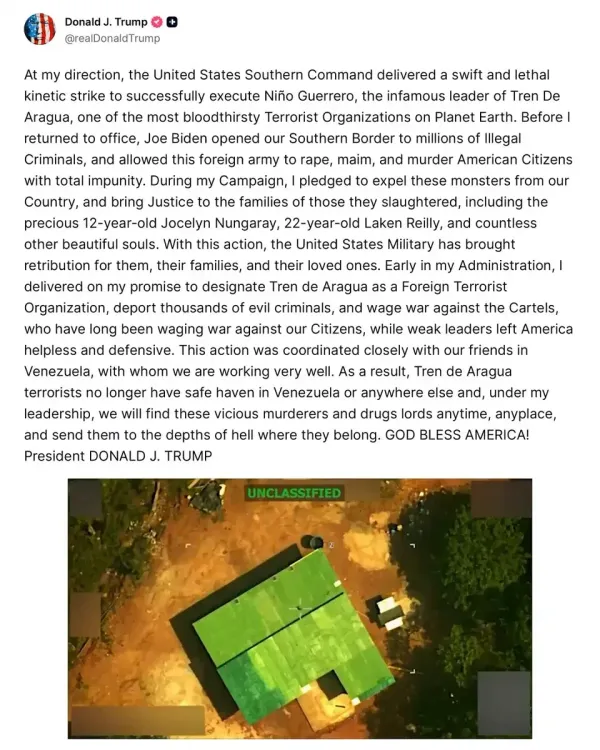
President Trump announced that US Southern Command executed a targeted military strike killing Niño Guerrero, leader of Venezuelan gang Tren De Aragua, which the US has designated a terrorist organisation. The operation marks a significant escalation from sanctions to direct lethal military force against a transnational criminal group.
Key Takeaways
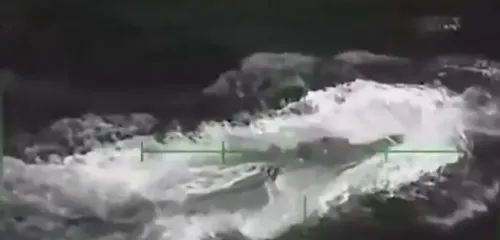
President Trump directed US Southern Command to carry out a 'swift and lethal kinetic strike' on June 13, 2026 .
Niño Guerrero , identified as the leader of Tren De Aragua , was killed in the operation.
Tren De Aragua is a Venezuelan-origin gang formally designated by the US as a foreign terrorist organisation.
The operation was conducted by SOUTHCOM , the Pentagon's combatant command for Latin America and the Caribbean .
The strike represents an escalation from sanctions and designations to direct military lethal force against a criminal organisation.
Official Department of Defense confirmation and congressional notifications are expected to follow.
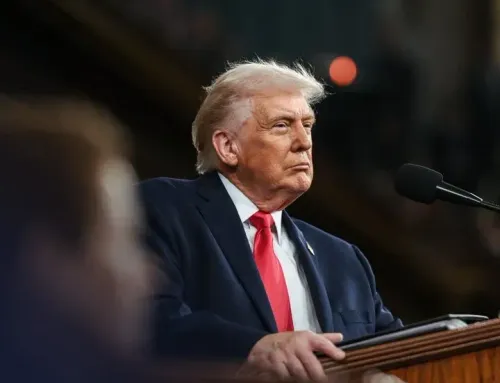
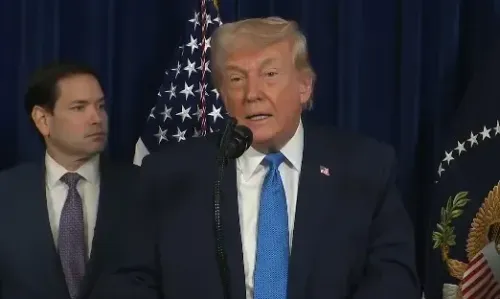
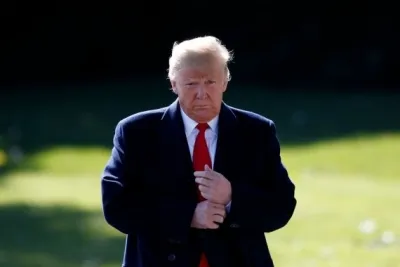
President Donald J. Trump announced on Saturday, June 13, 2026, that the United States Southern Command carried out a targeted military strike at his direction, killing Niño Guerrero, identified as the leader of Tren De Aragua, a Venezuelan-origin transnational criminal gang that the US government has designated as a terrorist organisation.
What Was Announced
In a statement attributed directly to the President and shared by the White House, Trump said: 'At my direction, the United States Southern Command delivered a swift and lethal kinetic strike to successfully execute Niño Guerrero, the infamous leader of Tren De Aragua, one of the most bloodthirsty Terrorist Organizations on Planet Earth.' The statement frames the operation as a deliberate counter-terrorism action ordered at the highest level of the executive branch.
US Southern Command (SOUTHCOM) is the Department of Defense combatant command responsible for military operations across Central America, South America, and the Caribbean. Its involvement signals that this was a conventional military operation rather than a law-enforcement or intelligence-led action.
Context
Tren De Aragua originated in Venezuela and expanded aggressively across Latin America and into the United States, becoming known for extreme violence, extortion, human trafficking, and drug smuggling. The Trump administration formally designated the group as a foreign terrorist organisation, a classification that legally enables a broader set of military and financial tools against it.
Niño Guerrero had been identified by US authorities as a central leadership figure within the organisation. His elimination mirrors the high-value targeting doctrine the US has applied against groups such as MS-13 and major drug cartels over the past two decades.
Policy Backdrop
During Trump's first term, beginning in 2017, the administration expanded sanctions on Venezuelan entities linked to criminal networks and the Maduro government. The current action represents a significant escalation from financial and diplomatic pressure to direct lethal military force.
US policy toward transnational criminal organisations has long combined sanctions, designations, and targeted enforcement actions. Applying a 'kinetic strike' — military terminology for a lethal attack — to a criminal gang leader, rather than a state actor or Al-Qaeda-style network, marks a notable evolution in how Washington is categorising and responding to organised crime threats from the Western Hemisphere.
Stakeholders and Impact
The strike is likely to be welcomed by US border communities and law-enforcement agencies that have documented Tren De Aragua's rapid expansion into American cities. Latin American governments in the region, particularly those with Venezuelan migrant populations, will be watching closely for any retaliatory activity or displacement of the gang's leadership structure.
Congressional notification requirements under US law for military operations may prompt oversight hearings. Venezuela's Maduro government, which has had an ambiguous relationship with Tren De Aragua, is expected to respond diplomatically, though the nature of any response remains to be seen.
What's Next
Official confirmation and operational details from the Department of Defense are expected to follow the presidential announcement. Analysts will be watching whether the strike disrupts Tren De Aragua's command structure or triggers internal succession battles within the organisation. The broader question is whether the administration intends this as a one-off high-value strike or the opening of a sustained military campaign against designated criminal organisations in the Western Hemisphere.
Point of View
Not a law-enforcement action — a deliberate choice that signals the Trump administration intends to treat designated criminal organisations with the same military tools historically reserved for jihadist networks. Deploying SOUTHCOM for a 'kinetic strike' against a gang leader is a significant doctrinal step, blurring the line between the war on terror and the war on organised crime. For Latin American governments, the operation raises immediate questions about US military reach into their sovereign space. Whether this is a precedent-setting template or a one-off show of force will define how the region recalibrates its security relationship with Washington in the months ahead.
NationPress
19 Sept 2026
Frequently Asked Questions
Who is Niño Guerrero and why was he targeted by the US?
Niño Guerrero was identified by US authorities as the leader of Tren De Aragua, a Venezuelan-origin gang designated by the Trump administration as a foreign terrorist organisation. He was targeted and killed in a military strike ordered by President Trump on June 13, 2026.
What is Tren De Aragua?
Tren De Aragua is a transnational criminal gang that originated in Venezuela and expanded across Latin America and into the United States. It is known for extreme violence, extortion, human trafficking, and drug smuggling, and has been formally designated a terrorist organisation by the US government.
What is US Southern Command and what role did it play?
US Southern Command (SOUTHCOM) is the Department of Defense combatant command responsible for military operations in Central America, South America, and the Caribbean. It carried out the targeted strike against Niño Guerrero at President Trump's direction.
Is this the first time the US has used military force against Tren De Aragua?
The Trump administration had previously used sanctions and designations against Venezuelan criminal networks, but this announced 'kinetic strike' represents a significant escalation to direct lethal military force against the group's leadership.
What happens to Tren De Aragua after its leader is killed?
Analysts expect the strike could disrupt the gang's command structure, but transnational criminal organisations often reconstitute leadership quickly. The impact on the group's operations across Latin America and the US will become clearer in the coming weeks.