Trump says Putin told him in Shenzhen he wants diplomatic end to Ukraine war
Synopsis
Donald Trump returned from the APEC summit in Shenzhen claiming Vladimir Putin wants a diplomatic end to the Ukraine war — but with no ceasefire, no timeline, and no terms on the table. Hours after their meeting, Russia struck Ukraine again. Trump's credibility gap with Kyiv and his own reporters was on full display at the White House.
Key Takeaways
Donald Trump said Vladimir Putin expressed a desire for a diplomatic end to the Ukraine war during their meeting in Shenzhen on the sidelines of the APEC forum.
Trump announced no ceasefire, no negotiating timeline, and no terms Moscow was prepared to offer Kyiv .
Russia launched a fresh attack on Ukraine shortly after the Trump-Putin meeting, which reporters raised with Trump at his White House news conference.
Trump cited personal animosity between Putin and Zelensky as a key obstacle, saying the two leaders have 'tremendous hatred.' A three-way meeting with Chinese President Xi Jinping in Shenzhen produced an agreement for US-Russia-China talks on nuclear risk reduction , but no Ukraine deal.
Trump put the monthly death toll at approximately 25,000 , mostly soldiers, without citing a source.
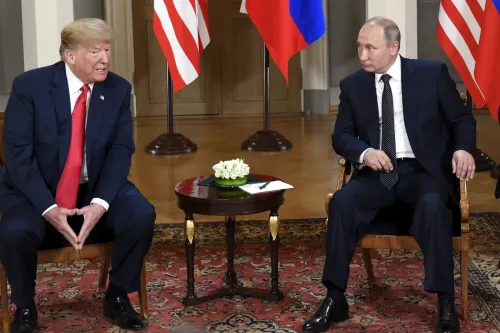
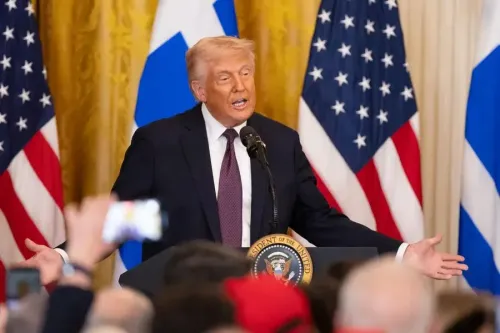
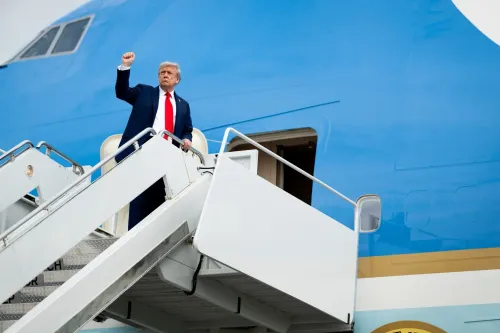
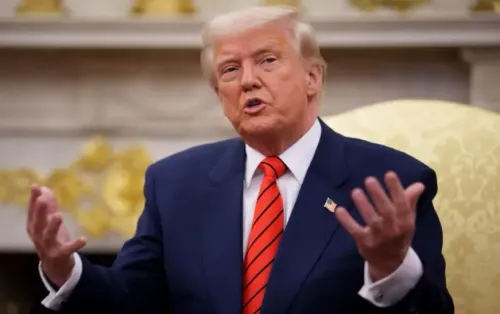
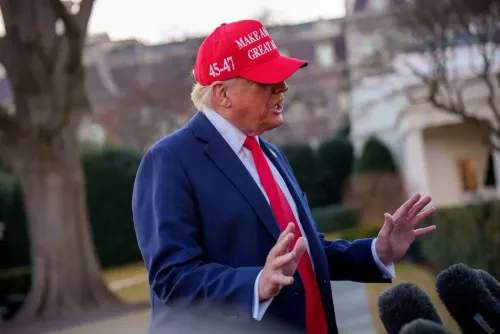
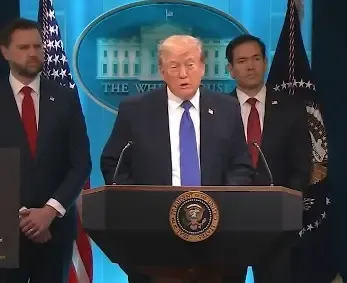
US President Donald Trump said on 21 November 2026 that Russian President Vladimir Putin had told him directly in Shenzhen that he wanted a diplomatic resolution to the war in Ukraine. The remarks, made at a White House news conference following Trump's return from Asia, came even as Russia launched a fresh assault on Ukraine shortly after the two leaders met.
What Trump Said After the Shenzhen Meeting
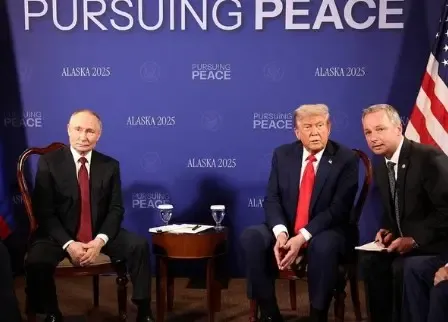
Trump met Putin on Thursday on the sidelines of the Asia-Pacific Economic Cooperation (APEC) forum in China. He said Putin 'clearly expressed his desire to see the war between Russia and Ukraine end by diplomatic means.' However, Trump announced no ceasefire framework, no date for formal negotiations, and no terms that Moscow was reportedly prepared to offer Kyiv.
When a reporter pressed Trump on how he could trust Putin's good faith — pointing out that the Russian leader had launched another deadly strike on Ukraine immediately after their meeting — Trump stood by his reading of the situation. He said the United States was 'trying to help both sides find a way to end the war.'
The Zelensky-Putin 'Hatred' Obstacle
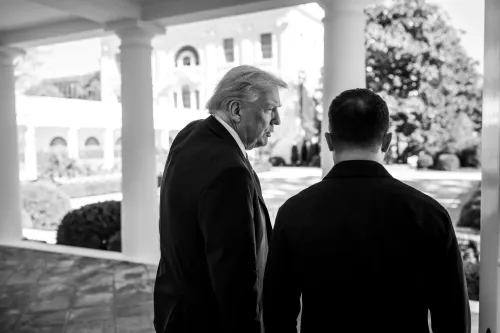
Trump identified deep personal animosity between Putin and Ukrainian President Volodymyr Zelensky as a central stumbling block. 'The problem is President Zelensky and President Putin have tremendous hatred, and it's never easy,' Trump said. He acknowledged that he had initially believed the Ukraine conflict would be among the easier disputes to resolve, but had since revised that view after consulting US diplomatic representatives involved in the effort.
Trump put the monthly death toll from the conflict at approximately 25,000, with most casualties being soldiers. He gave no source for that estimate.
Three-Way Summit: Trump, Putin, and Xi
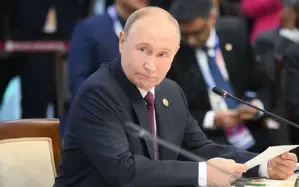
Ukraine was also discussed when Chinese President Xi Jinping joined Trump and Putin for a three-way meeting in Shenzhen. Trump said the three leaders discussed halting the killing, though he described no agreement among them on Ukraine specifically. The concrete undertaking he reported from that meeting concerned nuclear weapons: China, according to Trump, agreed to talks with Washington and Moscow aimed at reducing nuclear risk.
Trump on US Weapons and His Relationship With Putin
Responding to criticism that he was too accommodating toward Moscow, Trump cited his first administration's decision to supply Ukraine with Javelin anti-tank missiles — a supply that dates to his first term, when Ukrainian forces were already fighting Russian-backed separatists in the country's east. On current US weapons transfers, Trump said European buyers were paying for American equipment and passing much of it on to Ukraine.
Asked whether he considered Putin a friend to the United States, Trump confined his answer to his personal dealings with the Russian leader, arguing it was in America's national interest for a president to maintain direct communication with the head of a country possessing one of the world's largest nuclear arsenals.
Background: The War in Context
Russia launched its full-scale invasion of Ukraine in February 2022, eight years after seizing and annexing Crimea. Zelensky, who took office in 2019, has led Ukraine throughout the full-scale conflict. Despite repeated diplomatic overtures since the invasion began, no formal ceasefire has taken hold. With both sides reporting significant casualties and no negotiating framework publicly agreed upon, the path to a settlement remains deeply uncertain.
Point of View
Russia attacks Ukraine shortly after. The pattern — a diplomatic signal followed swiftly by military escalation — has repeated enough times to form a doctrine, not an anomaly. The absence of any framework, ceasefire terms, or Kyiv's involvement from the Shenzhen meeting suggests that what Trump described as diplomacy is closer to a conversation. The more revealing detail may be the nuclear risk reduction agreement with China — a trilateral arms-control signal that has gone relatively unnoticed but could prove more consequential than anything said about Ukraine.
NationPress
21 Nov 2026
Frequently Asked Questions
What did Trump say Putin told him about the Ukraine war?
Trump said Putin told him directly in Shenzhen that he wanted the war in Ukraine to end by diplomatic means. However, Trump announced no ceasefire, no negotiating date, and no terms that Russia was prepared to offer Ukraine.
Where did Trump and Putin meet, and in what context?
Trump and Putin met in Shenzhen, China, on Thursday, on the sidelines of the Asia-Pacific Economic Cooperation (APEC) forum. Chinese President Xi Jinping also joined the two for a separate three-way meeting.
Why did reporters question Trump's trust in Putin?
A reporter at Trump's White House news conference noted that Putin had launched another deadly attack on Ukraine immediately after their Shenzhen meeting. Trump stood by his assessment, saying the US was trying to help both sides find an exit from the conflict.
What was the outcome of the three-way Trump-Putin-Xi meeting on Ukraine?
Trump described no agreement on Ukraine from the three-way meeting in Shenzhen. The only concrete outcome he reported was China's agreement to participate in talks with Washington and Moscow aimed at reducing nuclear risk.
What obstacle did Trump identify to ending the Ukraine war?
Trump pointed to deep personal hostility between Putin and Ukrainian President Volodymyr Zelensky as a central obstacle. He said: 'The problem is President Zelensky and President Putin have tremendous hatred, and it's never easy.'