Trump Receives Religious Liberty Commission Report

Synopsis
President Trump received the Religious Liberty Commission report at the White House on June 26, 2026. The commission examined protections for religious exercise under U.S. law. The presentation signals potential executive orders or agency guidance ahead, continuing a Republican policy tradition dating to Trump's 2017 religious liberty executive order.
Key Takeaways
President Trump received the Religious Liberty Commission report on June 26, 2026 at the White House .
The commission was established to review protections for religious exercise under U.S. law and make formal recommendations.
President Trump signed Executive Order 13798 in 2017 to protect faith-based organisations during his first term.
A Religious Liberty Task Force was created by the Department of Justice in 2018 to coordinate agency-level implementation.
Follow-on executive orders, revised agency guidance, or congressional hearings are expected in response to the report's findings.
Stakeholders including religious organisations and civil liberties groups are closely watching for the administration's next steps.
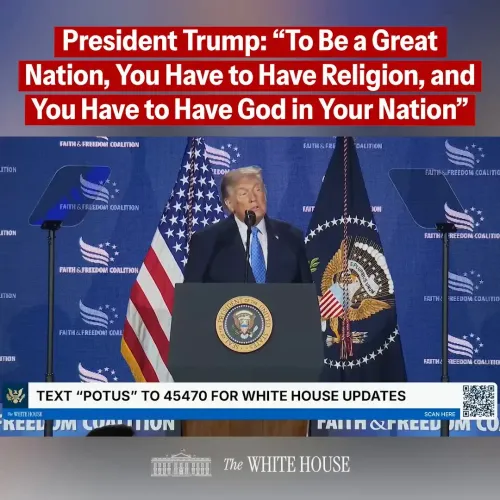
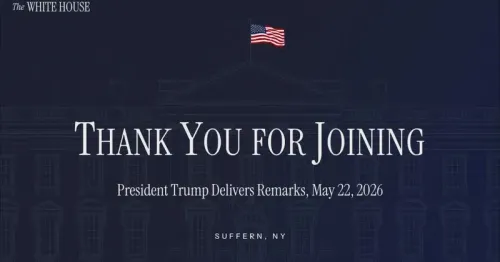
President Donald Trump on Friday, June 26, 2026, received the formal presentation of the Religious Liberty Commission report at the White House, marking a significant step in the administration's efforts to strengthen protections for religious exercise across the United States.
Context
The Religious Liberty Commission was constituted to examine the state of protections for religious exercise under U.S. law and to recommend measures that federal agencies and Congress could adopt. The formal presentation of its report to President Trump signals that the commission has concluded its review and is now placing its findings before the executive for action.
The White House confirmed the event through an official post, describing it as a presentation of the commission's report directly to the President — an indication that the findings carry executive-level weight and are likely to inform forthcoming policy decisions.
Policy Backdrop
The commission's work is rooted in a long-standing Republican policy tradition of using formal bodies to address perceived regulatory burdens on faith communities. During his first term, President Trump signed Executive Order 13798 in 2017, directing federal agencies to protect faith-based organisations and promote free speech in religious contexts.
That order was followed in 2018 by the establishment of a Religious Liberty Task Force under the Department of Justice, which coordinated agency-level implementation of religious liberty protections. The current commission represents a continuation and expansion of that institutional architecture, now producing a formal report with documented recommendations.
Successive administrations have debated the scope of religious liberty protections, particularly where they intersect with anti-discrimination law, healthcare mandates, and the rights of faith-based organisations receiving federal funding. The commission's report is expected to address several of these contested areas.
Stakeholders and Impact
Religious organisations, faith communities, and civil liberties groups across the United States are among the primary stakeholders watching the commission's output closely. For faith-based bodies, a favourable commission report could translate into reduced regulatory friction, expanded exemptions, and stronger legal standing in disputes with federal agencies.
Civil liberties advocates, on the other hand, have historically raised concerns that broad religious liberty protections can create carve-outs that affect access to services for minority communities. The reception of the report among these groups is likely to shape the political and legal debate that follows.
For India, where bilateral religious freedom dialogues between New Delhi and Washington have occasionally been a point of diplomatic sensitivity, the direction of U.S. domestic religious liberty policy can carry indirect implications for how the two governments frame conversations on pluralism and minority rights.
What's Next
The presentation of the report to President Trump is typically a precursor to executive action — including potential executive orders, revised agency guidance, or formal referrals to Congress for legislative follow-through. Observers will watch whether the administration issues directives to specific departments within weeks of receiving the report.
Congressional committees with jurisdiction over civil rights and judiciary matters are also expected to scrutinise the commission's findings. Any legislative proposals emerging from the report could become a focal point in the broader debate over the balance between religious freedom and equal-protection guarantees in American law.
Point of View
It builds on the institutional groundwork laid by Executive Order 13798 and the 2018 Justice Department task force, suggesting the administration intends a more codified and durable framework for religious liberty protections than its first-term efforts produced. The move will sharpen the fault line between faith-community advocates seeking broader exemptions and civil liberties groups wary of carve-outs that could affect access to services. How quickly the White House converts the report into binding directives will determine whether this is a landmark policy moment or a symbolic gesture ahead of the midterm cycle.
NationPress
27 Jun 2026
Frequently Asked Questions
What is the Religious Liberty Commission in the United States?
The Religious Liberty Commission is a body formed to examine and recommend improvements to protections for religious exercise under U.S. law, operating under the broader policy framework that President Trump has championed since his first term.
What did President Trump sign on religious liberty in his first term?
President Trump signed Executive Order 13798 in 2017, directing federal agencies to protect faith-based organisations and promote free speech in religious contexts, followed by a Religious Liberty Task Force at the Department of Justice in 2018.
What will happen after Trump receives the Religious Liberty Commission report?
The presentation typically precedes executive action such as new executive orders, revised agency guidance, or referrals to Congress — observers expect the White House to act on the recommendations within weeks.
How does U.S. religious liberty policy affect India?
U.S. domestic religious liberty policy can indirectly influence bilateral dialogues between Washington and New Delhi on pluralism and minority rights, areas that have occasionally been points of diplomatic sensitivity between the two countries.
Who are the key stakeholders in the Religious Liberty Commission report?
Religious organisations and faith communities stand to benefit from stronger protections recommended by the report, while civil liberties groups are watching closely to ensure any new exemptions do not curtail equal-protection guarantees for minority communities.