Trump orders Pentagon to cut US-South Korea military drills ahead of Ulchi Freedom Shield
Synopsis
Days before the Ulchi Freedom Shield exercises were set to begin, Trump posted on Truth Social ordering the Pentagon to substantially scale back US-South Korea joint drills — invoking his personal rapport with Kim Jong Un. It is a near-replay of his first-term playbook, and it raises fresh questions about the reliability of US security commitments to Seoul.
Key Takeaways
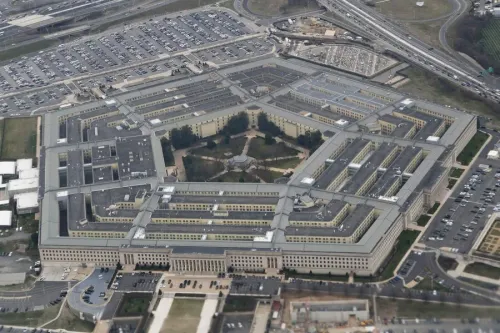
President Trump directed Pentagon chief Pete Hegseth to “substantially reduce” joint US-South Korea military exercises on Sunday, 17 August .
Trump cited the cost of the drills — largely borne by the United States — and called them “totally inappropriate and hostile” to North Korea .
The Ulchi Freedom Shield exercises are scheduled to run from 17 to 27 August , involving around 18,000 South Korean military personnel .
Trump said it was “too late to cancel” but ordered a significant reduction in scope.
Trump also revealed that South Korean President Lee Jae Myung declined a US invitation to join efforts to denuclearise Iran .
The move mirrors Trump’s 2018 suspension of joint exercises following his Singapore summit with Kim Jong Un .
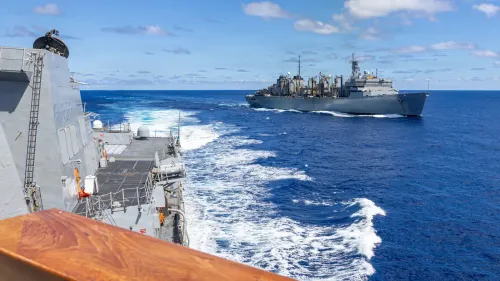
US President Donald Trump said on Sunday that he has directed Pentagon chief Pete Hegseth to “substantially” reduce joint US-South Korea military exercises, citing their cost and what he described as an “inappropriate and hostile” signal to North Korea. The directive came days before the scheduled start of the annual Ulchi Freedom Shield drills, set to run from 17 to 27 August.
What Trump Said
In a post on his Truth Social platform, Trump cited his relationship with North Korean leader Kim Jong Un as the basis for his discomfort with the exercises. “Based on my very good relationship with Kim Jong Un, of North Korea, I am not happy with the fact that the United States has, long ago, agreed to participate in Joint Military Exercises with South Korea,” he wrote.
Trump described the drills as costly — with much of the expense borne by the United States — and argued they send the wrong message. “These exercises are not only costly, with much of these costs paid for by the United States of America (as usual!), but send a signal that is totally inappropriate and hostile, to a Country that, as long as Donald J. Trump has been President, has been unthreatening and respectful,” he added.
He then stated: “Based on the fact that it is too late to cancel, I have instructed Secretary of War, Pete Hegseth, to substantially reduce the Joint Military Exercises!”
About the Ulchi Freedom Shield Exercises
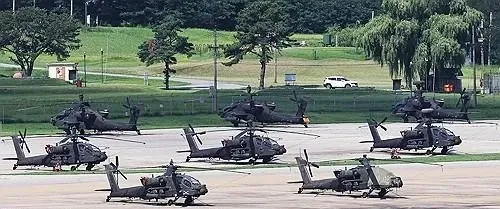
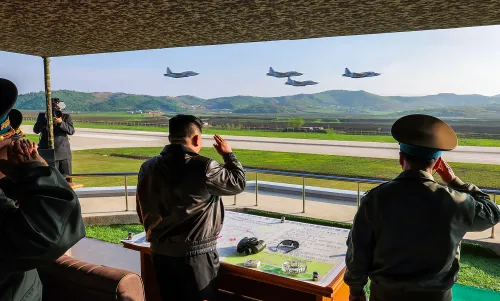
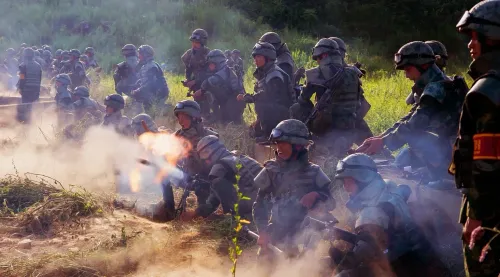
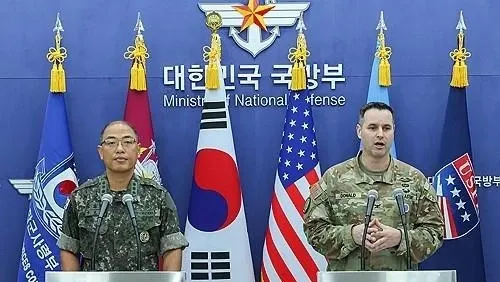
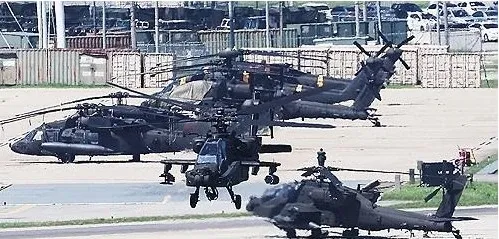
The Ulchi Freedom Shield drills, which Pyongyang has long condemned as war rehearsals, are scheduled to involve approximately 18,000 South Korean military personnel. Officials said last week that the exercises are designed to counter evolving North Korean capabilities, including drone operations, GPS signal disruption, and cyberattacks.
The South Korea-Iran Denuclearisation Remark
In the same post, Trump disclosed a separate exchange with South Korean President Lee Jae Myung, saying he had recently asked whether Seoul would join a US-led effort to denuclearise Iran and was told “No thanks.” Trump did not elaborate on the context or timing of that request. “While somewhat unrelated, I recently asked the President of South Korea if they would like to join us in the Denuclearization of the Islamic Republic of Iran, and they said, ‘No thanks!’” he wrote.
Broader Context
Trump's directive echoes his first-term approach, when he unilaterally suspended major joint exercises after his 2018 Singapore summit with Kim Jong Un, describing them as “war games.” Critics at the time argued the move handed Pyongyang a concession without a reciprocal commitment on denuclearisation. This marks at least the second time Trump has moved to curtail allied military readiness exercises in the region since returning to office. South Korean and US officials have not yet publicly responded to Sunday's announcement.
Point of View
Framing a unilateral concession as diplomatic goodwill, without extracting a verifiable commitment from Pyongyang in return. The difference now is that North Korea’s capabilities have grown considerably since then: its drone programme, GPS jamming, and cyber arsenal are precisely what these exercises are designed to counter. Reducing drill scope does not reduce the threat; it reduces allied preparedness. Seoul’s silence so far is telling — South Korea faces the difficult position of managing a security relationship with a patron who treats alliance exercises as a bargaining chip rather than a strategic necessity.
NationPress
17 Aug 2026
Frequently Asked Questions
Why did Trump order a reduction in US-South Korea military exercises?
Trump said the joint drills are costly — with the US bearing much of the expense — and that they send a signal he described as ‘totally inappropriate and hostile’ to North Korea. He also cited his personal relationship with North Korean leader Kim Jong Un as a reason to avoid provocative signals.
What are the Ulchi Freedom Shield exercises?
Ulchi Freedom Shield is an annual joint military exercise conducted by the United States and South Korea. The 2025 edition is scheduled to run from 17 to 27 August, involving around 18,000 South Korean military personnel, with drills focused on countering drones, GPS jamming, and cyberattacks.
Who did Trump instruct to reduce the drills?
Trump said he instructed Pete Hegseth , whom he referred to as ‘Secretary of War,’ to substantially reduce the joint military exercises. Hegseth serves as the US Secretary of Defense.
Has Trump done this before?
Yes. During his first term, Trump suspended major joint US-South Korea exercises in 2018 following his summit with Kim Jong Un in Singapore, calling them ‘war games.’ The current directive follows the same approach.
What did Trump say about South Korea and Iran?
Trump revealed in the same post that he had asked South Korean President Lee Jae Myung whether Seoul would join a US-led effort to denuclearise Iran. He said the South Korean president declined, responding ‘No thanks.’ Trump did not elaborate on the context of the request.