Trump signs Russia-Iran sanctions law with 100% tariff threat on oil buyers
Synopsis
Trump has signed sweeping new legislation targeting Russia's war economy — authorising tariffs of up to 100 per cent on the five largest importers of Russian oil or gas and extending Iran sanctions by five years. With no countries named yet, the real test is how aggressively the White House wields this new authority against major Russian energy customers.
Key Takeaways
President Donald Trump signed the Lindsey O.
Graham Sanctioning Russia and Iran Act of 2026 on 19 September 2026 .
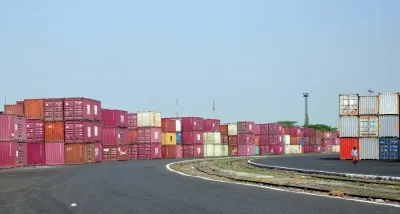
The law authorises tariffs of up to 100 per cent on the five largest importers of Russian crude oil or gas, or top sanctions-evasion facilitators.
An exemption applies if a country's Russian gas imports are below 15 per cent of Russia's total exports and it is actively reducing that share.
Sanctions also target Russian officials, oligarchs, banks, and the Russian shadow fleet , with primary and secondary sanctions provisions.
US sanctions authority against Iran is extended for five years under the same legislation.
No specific target countries or country-level tariff rates were announced at the time of signing.
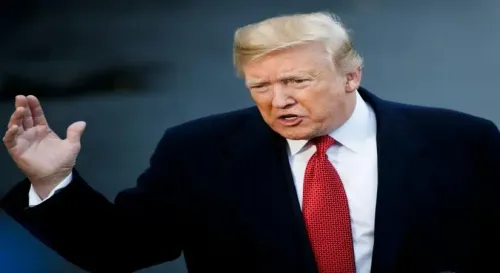
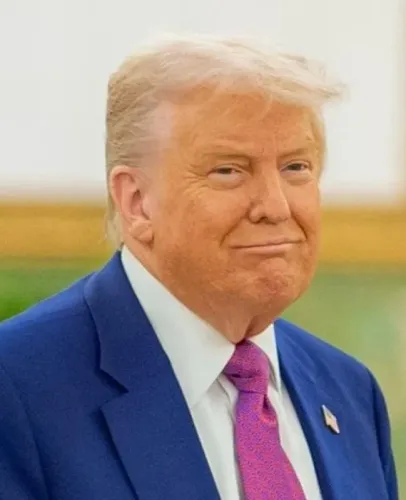
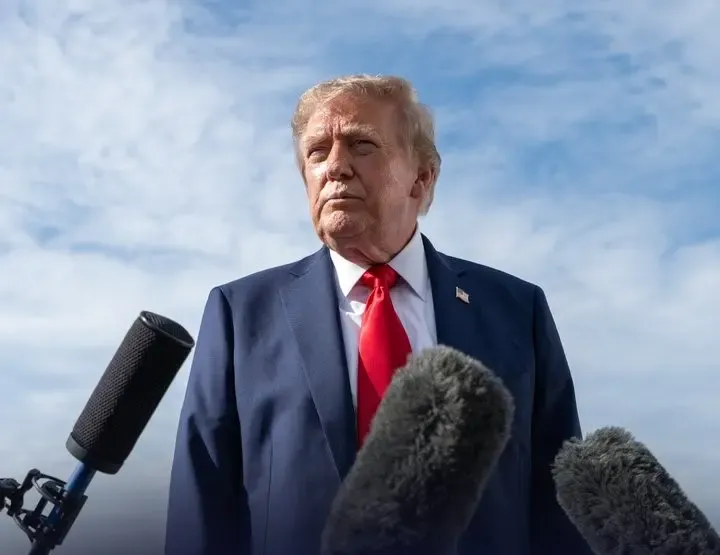
US President Donald Trump on 19 September 2026 signed the Lindsey O. Graham Sanctioning Russia and Iran Act of 2026 into law, sharply expanding American sanctions against Russia and authorising tariffs of up to 100 per cent on the five largest importers of Russian crude oil or gas. The legislation also extends existing US sanctions authority against Iran for five years.
What the Law Authorises
The Act directs the president to impose tariffs of up to 100 per cent on countries ranked among the five largest importers of Russian crude oil or natural gas, or those identified as top facilitators of Russian oil sanctions evasion. The White House confirmed the measure authorises and expands statutory sanctions, tariffs, and prohibitions on Russia while extending the existing Iran sanctions framework.
Notably, the legislation includes an exemption for nations whose Russian natural gas imports account for less than 15 per cent of Russia's total natural gas exports — provided those countries are taking significant steps to reduce their dependence. Neither the signing announcement nor lawmakers' statements named specific countries facing tariffs, nor announced country-specific rates.
Scope of the Sanctions
The measure reaches well beyond energy trade. According to the statement from Republican Senator Katie Britt of Alabama, the sanctions target Russian officials, oligarchs, their family members, foreign persons, Russian banks and financial institutions, and the so-called Russian shadow fleet. The legislation provides for both primary and secondary sanctions against Russia and any actors supporting its war in Ukraine.
Signing Ceremony and Congressional Reaction
Senator Britt joined Trump in the Oval Office for the signing ceremony. Representative Michael McCaul, a Texas Republican, also attended. The law is named after the late Senator Lindsey O. Graham, whose work on the legislation was credited by Britt.
'By signing this bill today, President Trump sent a clear message to Russia, and any countries that help fund its war machine, that the United States stands unified in our opposition to their acts of aggression against Ukraine,' Britt said.
Republican Representative Mike Simpson of Idaho, who supported the bill, framed the economic restrictions as a tool to advance peace efforts. 'We can all agree that this war has gone on for far too long, and we must not allow Russia to claim victory or believe they have won the war,' he said.
What Happens Next
The absence of named target countries leaves significant executive discretion on implementation. Analysts and trading partners — particularly large importers of Russian energy — will now watch closely for the first presidential determination on which nations fall within the tariff threshold. This comes amid ongoing US efforts to tighten the financial noose around Moscow's war economy and signals that Washington intends to use secondary sanctions more aggressively to close evasion routes.
Point of View
Which can be deployed diplomatically before it is ever implemented. For major buyers of Russian energy, including several in Asia, this creates immediate uncertainty. The secondary sanctions provisions are the sharper edge; they mark a formal escalation in Washington's willingness to penalise third-country actors. Whether this changes the war's trajectory depends entirely on enforcement resolve — something past US sanctions packages have occasionally lacked.
NationPress
19 Sept 2026
Frequently Asked Questions
What is the Lindsey O. Graham Sanctioning Russia and Iran Act of 2026?
It is a US federal law signed by President Donald Trump on 19 September 2026 that expands American sanctions against Russia, authorises tariffs of up to 100 per cent on the five largest importers of Russian oil or gas, and extends existing US sanctions on Iran for five years.
Which countries face the 100 per cent tariffs on Russian oil?
The law does not name specific countries. It directs the president to impose tariffs on the five largest importers of Russian crude oil or gas, or the top five facilitators of Russian oil sanctions evasion, leaving the final determination to executive discretion.
Is there any exemption from the new tariffs?
Yes. Countries whose Russian natural gas imports account for less than 15 per cent of Russia's total natural gas exports are exempt, provided they are taking significant steps to reduce those imports, according to Senator Katie Britt's office.
What does the law say about Iran?
The legislation extends existing US sanctions authority against Iran for five years, though the primary focus of the expanded measures is on Russia and actors supporting its war in Ukraine.
Who attended the signing and what did lawmakers say?
Senator Katie Britt and Representative Michael McCaul joined Trump in the Oval Office. Britt said the signing sent 'a clear message to Russia' that the US stands unified against its aggression in Ukraine. Representative Mike Simpson described the economic restrictions as a means of advancing efforts to end the war.