Did Trump Attack Colombia’s Petro Over Drug Trafficking? Bogota Invites Him to Visit!
Click to start listening
Synopsis
A diplomatic clash unfolds as Trump criticizes Colombia’s Petro over drug trafficking, leading to an unexpected invitation. This evolving situation could reshape US-Colombia relations and influence anti-narcotics strategies in the region.
Key Takeaways
- Trump's criticism of Petro highlights ongoing tensions over drug trafficking.
- The invitation for Trump to visit Colombia suggests potential diplomatic dialogue.
- US efforts to combat narcotics remain a priority amidst changing political landscapes.
- India's collaborative role in narcotics interdiction underscores global implications.
- The future of US-Colombia relations may hinge on effective communication and strategy adjustments.
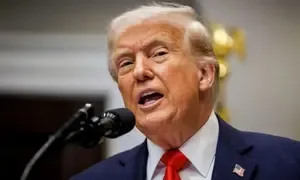
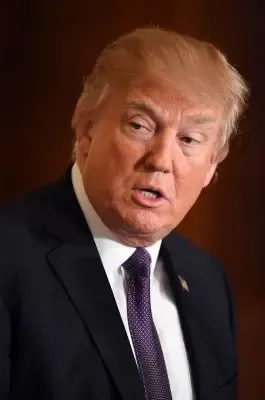
Washington, Dec 12 (NationPress) A diplomatic clash has arisen within the Americas as President Donald Trump targeted his Colombian counterpart Gustavo Petro regarding drug-trafficking issues, leading Petro to offer an unexpected invitation for Trump to visit Colombia.
During a White House briefing, Press Secretary Karoline Leavitt was queried about Trump’s statement suggesting Colombia’s president “better wise up or he’s going to be next,” alluding to actions against international narcotics networks. Leavitt revealed she had just heard of Petro’s invitation for Trump to come to Colombia and would “let the President speak directly to it.”
In response to Trump’s warning, Leavitt mentioned that the President reacted to “alarming and frankly insulting comments” made by Petro towards the United States. “The President does not appreciate it,” she stated.
This exchange occurs as Trump aims to amplify efforts against drug cartels in the Western Hemisphere. Leavitt emphasized that “halting the influx of illegal drugs into the United States” remains a top priority, pointing out that narcotics have “taken the lives of hundreds of thousands of Americans.”
She underscored that Trump has pledged to “eradicate foreign terrorist organizations and drug cartels globally, especially within our own hemisphere,” asserting that his administration is “fulfilling that commitment.”
The press briefing also addressed Venezuela, where US forces confiscated a tanker carrying sanctioned oil allegedly linked to Iran’s Islamic Revolutionary Guard Corps. Leavitt affirmed that the administration is dedicated to “implementing… sanction policy” and would not permit “black market oil” to support criminal or rogue regimes.
Petro’s surprising invitation highlights a complicated diplomatic scenario. While Colombia has historically collaborated with Washington on anti-narcotics efforts, Petro has occasionally criticized Trump’s policy methods, advocating for alternatives to decades-old militarized tactics.
Interestingly, India maintains collaborative security channels with both the United States and Latin American nations regarding narcotics suppression. New Delhi closely observes evolving US drug-interdiction strategies, as they affect global trafficking pathways, including maritime routes increasingly involved in Indian enforcement operations.
Point of View
We recognize the importance of nuanced diplomacy between nations, especially in matters as critical as drug trafficking. The exchange between Trump and Petro exemplifies the complexities and challenges in international relations. It is crucial to maintain a balanced perspective as we report on these developments.
NationPress
12/12/2025
Frequently Asked Questions
What prompted Trump’s criticism of Petro?
Trump criticized Petro over concerns related to drug trafficking and narcotics operations.
What was Petro’s response to Trump’s remarks?
Petro extended an invitation for Trump to visit Colombia, signaling a willingness for dialogue.
How does this situation affect US-Colombia relations?
This diplomatic clash may impact ongoing collaboration on anti-narcotics strategies between the two nations.
What is the significance of drug trafficking in this context?
Drug trafficking remains a critical issue affecting both countries, with significant implications for public safety and international relations.
What role does India play in narcotics interdiction?
India collaborates with the US and Latin American countries on narcotics suppression, monitoring changes in drug trafficking routes.