Trump brands socialism biggest US threat, invokes WWII and 9/11
Synopsis
Trump didn't just call socialism a political problem — he ranked it above World War II, 9/11, and Pearl Harbor as the gravest threat in American history. The Oval Office broadside, aimed at New York mayoral hopeful Zohran Mamdani, signals that the socialism-vs-communism framing will be a central Republican weapon in the cycles ahead.
Key Takeaways
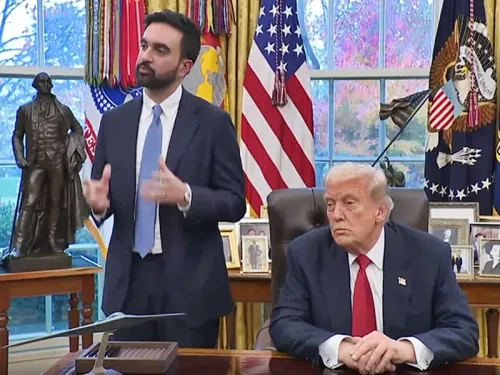
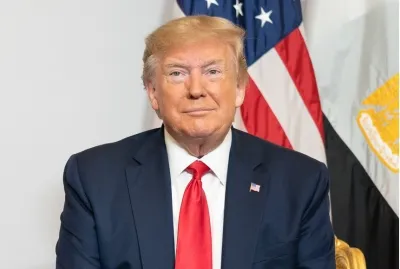
Donald Trump declared socialism the 'biggest threat' to the US 'maybe since our founding' during an Oval Office session on 30 June .
Trump argued the correct term was 'communism,' not socialism, saying 'social Democrat' was chosen because 'it sounds so nice.' He placed the threat above World War I , World War II , September 11 , and the Pearl Harbor attack.
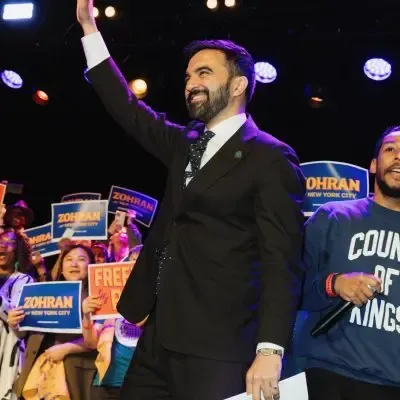
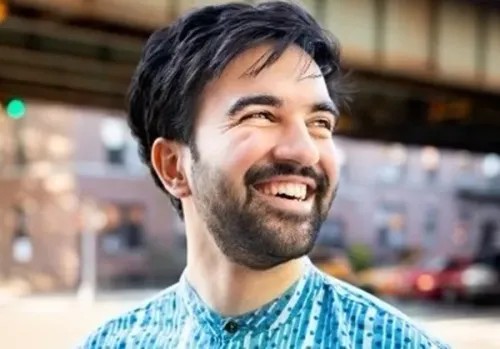
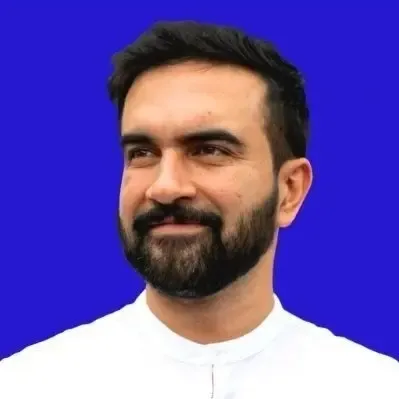
Remarks were partly directed at New York mayoral candidate Zohran Mamdani , who has called himself a 'poster child' for socialist candidates.
The session also covered Iran , election legislation, Supreme Court rulings, and immigration before turning to domestic politics.
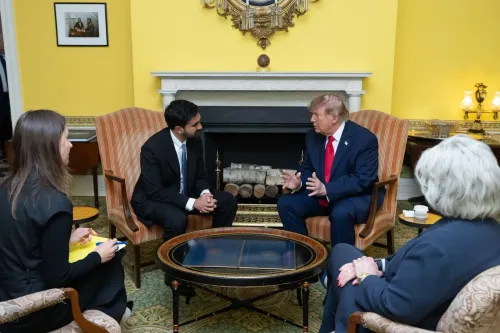
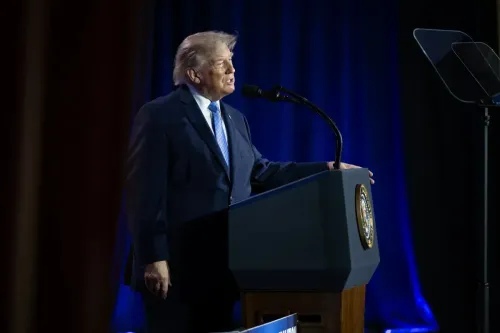
US President Donald Trump declared socialism the single greatest threat facing the United States during an Oval Office session with reporters on 30 June, invoking comparisons to World War II, World War I, September 11, and the Pearl Harbor attack to underscore the gravity of his warning. The remarks were directed in part at New York mayoral candidate Zohran Mamdani, who had recently described himself as willing to be the 'poster child' for socialist candidates.
What Trump Said
Trump argued that the term 'socialism' itself was a deliberate understatement, insisting the underlying ideology amounted to communism. 'I think it's a big threat to our nation, actually, because it's not socialism, it's really communism,' he told reporters. He added that the label 'social Democrat' was used because 'it sounds so nice, but it's really communism you're talking about.'
Trump went further, placing the perceived ideological threat above every major crisis in American history. 'I think it's the biggest threat to our nation there is, maybe since our founding,' he said. 'That includes World War I, World War II, September 11th. It includes the Pearl Harbor attack.'
Anticipating scepticism, Trump acknowledged that 'people will smile' at the comparison but maintained that 'the smart people are going to say, you know, he's probably right.' He concluded: 'It's basically introducing communism into the United States of America. There's never been anything so dangerous.'
Context of the Remarks
The comments came toward the close of a wide-ranging Oval Office exchange that covered Iran, election legislation, Supreme Court rulings, and immigration before pivoting to domestic politics. The session underscored how Trump is framing the 2025 political landscape ahead of upcoming municipal and legislative contests.
Notably, the Mamdani campaign has not publicly responded to Trump's characterisation. Mamdani is running in the New York mayoral race and has embraced progressive economic positions, describing himself publicly as a socialist candidate.
The Broader Political Pattern
Accusations of socialism have been a recurring feature of Republican political messaging for decades, surfacing prominently in debates over healthcare, taxation, and government spending. Progressive Democrats typically describe their policy agenda as rooted in social democracy — a tradition common across Western Europe — while Republican critics have long argued such platforms represent an overreach of government into the economy.
This is not the first time Trump has deployed the socialism charge as a central campaign-trail argument; he made similar warnings during both the 2016 and 2020 presidential campaigns. The invocation of Pearl Harbor and 9/11 as benchmarks, however, marks a notable escalation in rhetorical intensity.
What to Watch
With New York's mayoral race drawing national attention and progressive candidates gaining visibility, Trump's framing signals that the socialism debate will remain a live fault line in US politics through the coming election cycle. How Democratic candidates respond to — or distance themselves from — the socialist label is likely to shape messaging on both sides in the months ahead.
Point of View
Not a casual aside — it sets a ceiling for how Democrats can respond without appearing to defend the label. The targeting of Mamdani, a local mayoral candidate, with presidential-level rhetoric suggests the White House sees value in amplifying rather than ignoring progressive voices. What mainstream coverage underplays is the strategic function: by conflating social democracy with communism, Republicans make the centre-left spend energy on definitions rather than policy. The historical comparisons are hyperbolic by any measure, but their political utility lies precisely in their extremity.
NationPress
29 Sept 2026
Frequently Asked Questions
What did Trump say about socialism in the Oval Office?
Trump called socialism the single greatest threat facing the United States, arguing it was 'really communism' in disguise. He ranked it above World War I, World War II, September 11, and the Pearl Harbor attack in terms of danger to the nation.
Who is Zohran Mamdani and why did Trump target him?
Zohran Mamdani is a candidate in the New York mayoral race who has publicly described himself as willing to be the 'poster child' for socialist candidates. Trump used Mamdani's remarks as a launching point for his broader warning about what he characterised as a communist ideological shift in the US.
Is this the first time Trump has made the socialism argument?
No. Trump deployed similar rhetoric during both the 2016 and 2020 presidential campaigns. However, the explicit comparison to Pearl Harbor and September 11 represents a notable escalation in the intensity of the framing.
How do progressive Democrats respond to the socialism label?
Progressive Democrats typically describe their agenda as rooted in social democracy, a model common across Western Europe, rather than socialism or communism. Republicans have long contested that distinction, arguing such policies expand government control over the economy.
What else was discussed in the Oval Office session?
The wide-ranging session covered Iran policy, election legislation, Supreme Court rulings, and immigration before turning to domestic politics and the socialism remarks at the close.