White House Says Trump Is Rebuilding America's 'Weaponized' Education System
Synopsis
The White House declared on August 24, 2026, that previous administrations 'weaponized' American education, with President Trump and Secretary Linda McMahon leading a push to restore parental control and expand school choice — continuing a conservative policy drive dating back to Trump's first term.
Key Takeaways
The White House posted on August 24, 2026 , accusing previous administrations of 'weaponizing' the U.S. education system.
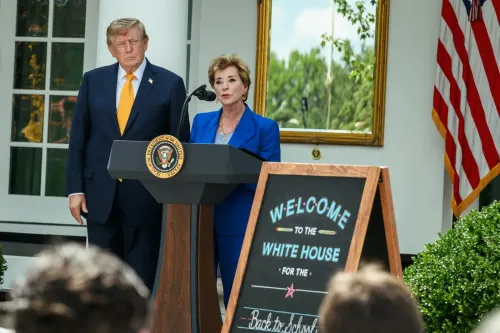
President Trump and Education Secretary Linda McMahon are named as leading the administration's education overhaul.
The agenda centres on parental rights and school choice — allowing public funds to follow students to schools of their families' choosing.
Trump's first term ( 2017–2021 ) laid the groundwork via Betsy DeVos and a push against federal education mandates.
Department of Education , created in 1979 , remains a focal point of conservative criticism over federal overreach.
Congressional action on school choice funding and department restructuring is the key legislative front to watch.
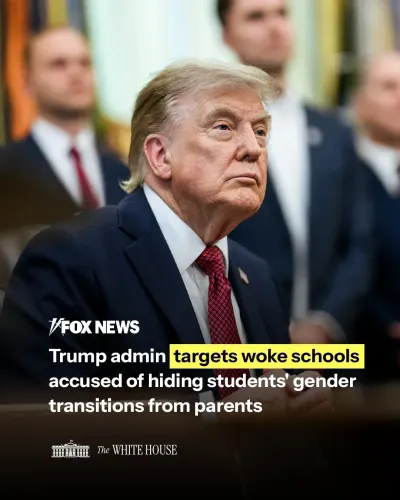
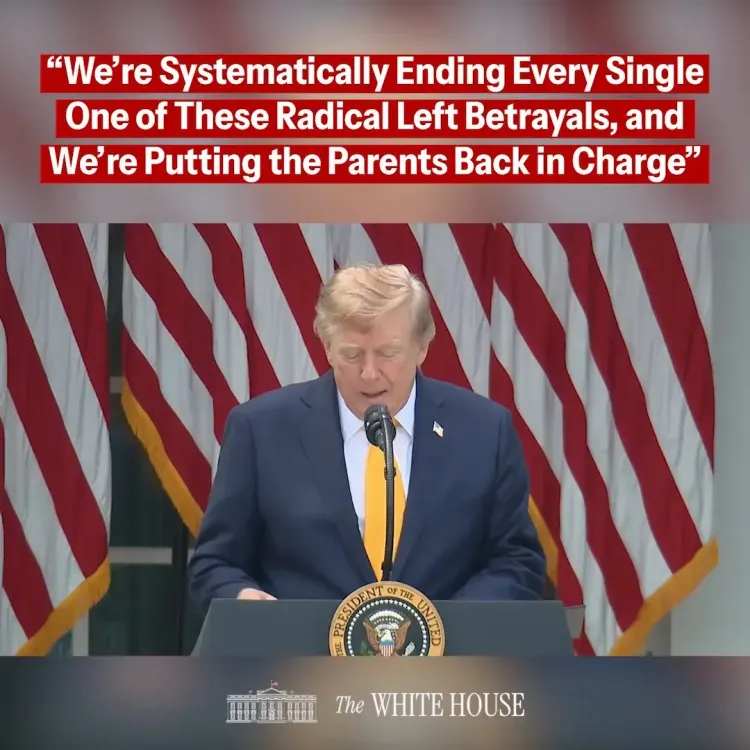
The White House is drawing a sharp line in the sand on American education — accusing previous administrations of turning schools into ideological battlegrounds and positioning President Donald Trump and Education Secretary Linda McMahon as the architects of a course correction. The post, shared on Monday, August 24, 2026, frames the fight for America's classrooms as a fight for parents themselves.
The White House's statement pulled no punches: 'Under previous administrations, our education system was weaponized and broken.' The language is deliberate — 'weaponized' is a word that carries political weight, signalling that the administration views federal education policy not as bureaucratic drift but as an active ideological project it intends to dismantle.
Trump's Long War With Federal Education Policy
This is not a new front for Trump. During his first term (2017–2021), he appointed Betsy DeVos as Education Secretary with an explicit mandate to champion school choice and roll back federal overreach. The philosophical spine has not changed: the federal government, in the conservative view, has crowded out parents, local school boards, and states from decisions that rightly belong to them. The U.S. Department of Education — a Cabinet-level body created in 1979 — has long been a target of this critique. Conservatives have periodically called for its abolition or dramatic reduction, arguing that education is a state and local responsibility the Constitution never assigned to Washington.School Choice as the Centrepiece
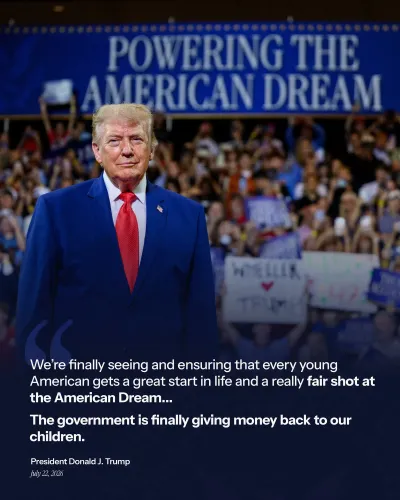
At the heart of the administration's education agenda is the principle that 'taxpayer funds should follow the student' — meaning public money could flow to private, charter, or homeschool options, not just traditional public schools. School choice programs have gained significant ground across Republican-led states over the past decade, and the Trump administration has consistently pushed to scale that model nationally. The Every Student Succeeds Act of 2015 had already begun devolving education authority back to states, but advocates in Trump's orbit argue that shift did not go nearly far enough — and that what followed in subsequent years reversed even those gains.McMahon's Role and What Comes Next
Secretary McMahon is positioned as the operational lead on this agenda. Congressional proposals around expanding school choice funding mechanisms and restructuring — or potentially downsizing — the Department of Education are the legislative terrain to watch. Whether that ambition can survive the arithmetic of Congress will define how far this 'reignition' actually goes. Parents are the declared constituency. The political bet is that framing education as a parental-rights issue — rather than a partisan one — is the winning move. That framing will be tested in the months ahead.Point of View
' the administration is attempting to broaden the coalition for school choice beyond its traditional base. The push fits a larger second-term pattern of using aggressive rhetoric to signal ideological intent before the legislative machinery catches up. Whether McMahon can translate that intent into durable policy — especially on school choice funding at the federal level — will be the real test of this administration's education legacy.
NationPress
9 Oct 2026
Frequently Asked Questions
What did the White House say about America's education system?
The White House stated that 'under previous administrations, our education system was weaponized and broken,' and said President Trump and Education Secretary Linda McMahon are working to restore parental control and revive the education system.
Who is Linda McMahon and what is her role in education?
Linda McMahon serves as the U.S. Secretary of Education in the Trump administration, leading the federal push to expand school choice and reduce centralised federal control over schools.
What is school choice and why does Trump support it?
School choice refers to policies that allow public education funding to follow individual students to the school of their family's choosing — including private, charter, or homeschool options. Trump has supported it since his first term as a way to empower parents and reduce federal control.
What is the U.S. Department of Education and why is it controversial?
The U.S. Department of Education is a Cabinet-level federal agency created in 1979 to oversee federal education programs. Many conservatives argue it represents unconstitutional federal overreach into an area that should be managed by states and local communities.
What education policies did Trump pursue in his first term?
During his first term from 2017 to 2021, Trump appointed Betsy DeVos as Education Secretary to champion school choice and deregulate federal education mandates, building the policy foundation his current administration is now seeking to expand.