Trump says Ukraine deal close, expects 'different shape' borders after war
Synopsis
Trump told CBS News he believes a Ukraine peace deal is 'very close' — but his clearest signal was what he didn't say: he wouldn't name which borders would change, wouldn't say he trusted Zelenskyy over Putin, and wouldn't confirm whether Washington has actually pressured Moscow. The gap between the confidence and the detail is the story.
Key Takeaways
Donald Trump said on 9 November 2026 that a deal to end the Ukraine war is 'very close,' speaking on CBS News' 60 Minutes .
Trump predicted Ukraine would emerge with a 'little bit different shape,' implying territorial changes , without specifying which regions.
He declined to say whether he trusted Zelenskyy more than Putin , saying 'I get along with both.' Trump disputed that easing restrictions on Russian diesel represented reduced pressure on Moscow, calling it a global supply measure.
On a reported Starlink slowdown affecting Ukrainian forces, Trump said he could not confirm who was responsible but noted the service had been restored, referencing Elon Musk .
No specific peace terms, territorial details, or security guarantees were offered in the interview.
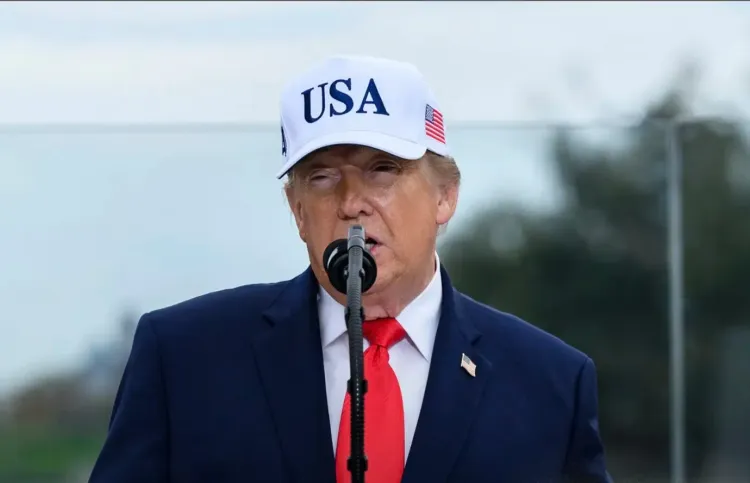
US President Donald Trump said on 9 November 2026 that he believed a deal to end the Ukraine war was imminent, while suggesting that Ukraine would emerge from any settlement with changed borders — without specifying which territories would be affected or what security guarantees would follow. The remarks came during an interview with journalist Ross Douthat on CBS News' 60 Minutes.
Trump's Assessment of the Peace Process
'I believe we're very close to making a deal,' Trump said during the interview. When pressed on what a post-war Ukraine would look like, he said: 'I think we're gonna have it done, and I think it's gonna happen and they're gonna end up with a little bit different shape Ukraine.' He offered no specific terms for a settlement, nor any timeline.
Trump attributed the stalling of peace talks to mutual hostility between Russian President Vladimir Putin and Ukrainian President Volodymyr Zelenskyy, saying the personal animosity between the two leaders was an obstacle. He declined to say which leader he trusted more, stating: 'Well, I'd rather not say, but I get along with both.'
Pushback on Neutrality and Obstacle Framing
Interviewer Douthat challenged Trump's framing, asking whether Zelenskyy's anger was more understandable given that Ukraine had been invaded — not Russia. Trump acknowledged the point but then pivoted, saying Russia had been shown disrespect at an earlier meeting. He also repeated his long-standing claim that the war would never have begun had he been president at the time.
When asked whether Putin was stringing him along on peace prospects, Trump said: 'Oh, I don't think so.' Douthat also cited a recent easing of restrictions related to Russian diesel exports as evidence that Washington had reduced pressure on Moscow. Trump disputed the characterisation, arguing the move addressed a global supply need rather than granting Russia a significant concession.
Who Is Paying for Ukraine's Weapons
The interview also surfaced a disagreement over the framing of military assistance to Ukraine. Douthat noted that Europe was now supplying weapons; Trump countered that the weapons remained American-made, with European governments paying for them. 'But Europe is paying for them,' Trump said, drawing a contrast with military aid provided under former President Joe Biden, arguing that European allies had the financial capacity to contribute earlier but had not been asked.
Trump praised the courage of Ukrainian forces in using the supplied weapons, but when Douthat suggested that US assistance had secured Ukrainian independence, Trump said the outcome was still unresolved.
Starlink Slowdown and Elon Musk
Douthat raised a reported slowdown in Starlink satellite service used by Ukrainian forces. Trump said he did not know who was responsible and later questioned whether a slowdown had actually been confirmed. He subsequently said: 'Well, I know this, I can't tell you who turned it down. I can tell you ultimately he turned it back up and so they have it' — referring to Elon Musk. No response from Musk, Russia, or Ukraine was included in the available transcript.
What Remains Unresolved
Trump's comments leave critical questions open: which territories a 'differently shaped' Ukraine would include or exclude, what security architecture would underpin any agreement, and whether Kyiv or its European partners have been consulted on the outline of a deal. This comes amid ongoing battlefield pressure on Ukrainian positions and continued Western debate over the pace and scale of military support. The coming weeks will be closely watched for any formal diplomatic movement.
Point of View
No mediator, no Kyiv sign-off. His framing of mutual hostility as the central obstacle conspicuously sidesteps the asymmetry of the conflict: one country was invaded. The easing of Russian diesel restrictions, however Trump characterises it, signals that Washington's leverage over Moscow is being deployed selectively. Most significantly, the admission that Ukraine will have 'different shape' borders — said without pushback or precondition — marks a notable shift in public US positioning, one that European allies and Kyiv are unlikely to have welcomed.
NationPress
9 Nov 2026
Frequently Asked Questions
What did Trump say about a Ukraine peace deal on 60 Minutes?
Trump said he believed a deal to end the Ukraine war was 'very close,' speaking in a CBS News 60 Minutes interview on 9 November 2026. He offered no specific terms, timeline, or confirmed mediator for any agreement.
What did Trump mean by Ukraine having 'different shape' borders?
Trump said he expected Ukraine to 'end up with a little bit different shape,' implying territorial changes as part of any peace settlement. He did not specify which territories this would involve or what security arrangements would accompany a deal.
Did Trump say he trusted Zelenskyy more than Putin?
No. When asked which leader he trusted more, Trump declined to answer directly, saying only 'I'd rather not say, but I get along with both.' He acknowledged that Zelenskyy's anger was understandable given the invasion, but did not go further.
What is the dispute over Starlink and Ukraine?
A reported slowdown in Starlink satellite service used by Ukrainian forces was raised during the interview. Trump said he could not confirm who had reduced the service but noted it had been restored, referring to Elon Musk without elaborating. No response from Musk, Russia, or Ukraine was included in the available transcript.
Who is paying for weapons supplied to Ukraine, according to Trump?
Trump said the weapons supplied to Ukraine are American-made but are now being paid for by European governments — contrasting this with the approach under former President Joe Biden, when he argued European allies were not asked to contribute financially despite having the capacity to do so.