Trump vows to abolish sanctuary cities in sweeping immigration push
Synopsis
Trump's Garden City address was less a policy rollout and more a declaration of war on local governance. By naming New York's governor and mayor as obstacles, framing sanctuary cities as 'sanctuaries for criminals,' and citing 1.2 million arrests, he is escalating the federal-versus-local showdown on immigration into a defining political battle — with constitutional limits still untested.
Key Takeaways
Donald Trump pledged to abolish sanctuary cities during an address in Garden City, New York on 15 August .
Trump claimed federal agencies had arrested 1.2 million people described as criminals since he took office.
Federal criminal prosecutions reportedly rose by more than 50 per cent and FBI violent-crime arrests nearly doubled, according to Trump's address.
Nassau County Executive Bruce Blakeman was praised for cooperation that led to removal of more than 2,000 migrant offenders .
Trump targeted New York Governor Kathy Hochul and NYC Mayor Mamdani by name for opposing his immigration and crime policies.
Trump also called for an immediate end to cashless bail and tougher penalties for repeat offenders.
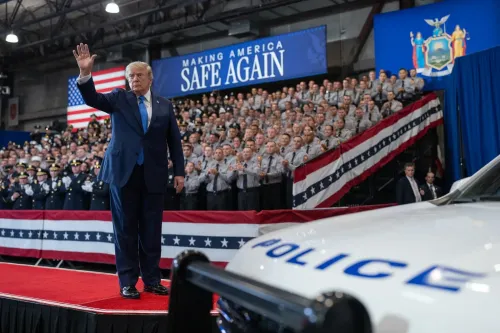
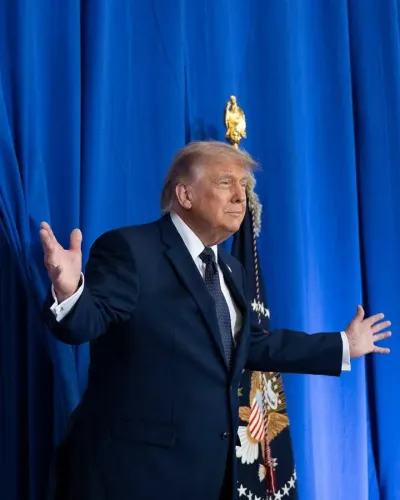
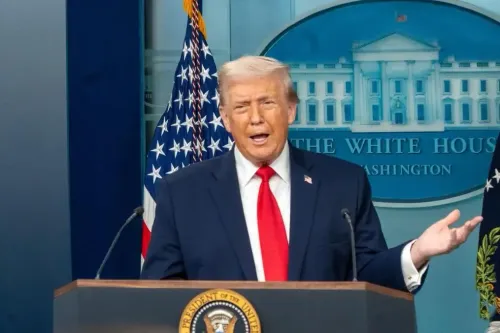
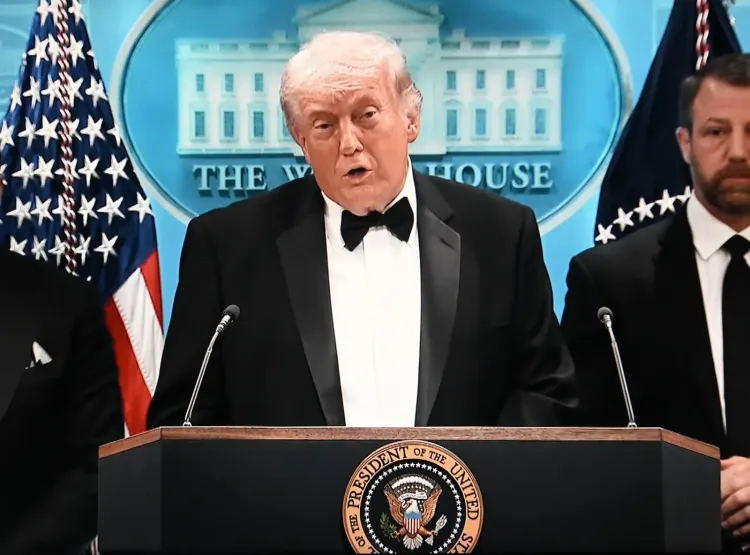
US President Donald Trump on 15 August pledged to eliminate sanctuary cities nationwide, framing jurisdictions that limit cooperation with federal immigration authorities as the single greatest obstacle to his administration's enforcement campaign. The announcement came during an address to police officers and supporters in Garden City, New York.
What Trump Said
Speaking directly to law enforcement, Trump declared an unambiguous intent to dismantle sanctuary policies. 'We will never abolish the police instead. We will abolish the sanctuary cities. We will abolish them; we will destroy them; we will take them out. We're going to take them out of service, and we will immediately end no cash bail,' he said.
Trump also called for stiffer penalties targeting habitual offenders. 'We will impose harsh new penalties for dangerous repeat offenders,' he said, adding that his administration would 'crack down on Marxist prosecutors.'
On the core policy conflict, Trump was direct: 'The biggest problem we have, the biggest impediment we have are sanctuary cities, you know, where they protect criminals. It's called a sanctuary for criminal — we ought to change the name a sanctuary for criminals.'
New York Officials in the Crosshairs
Trump singled out New York Governor Kathy Hochul and New York City Mayor Mamdani by name, accusing both of obstructing his border, immigration, and crime policies. He claimed Hochul had effectively turned New York into a sanctuary state and alleged she favoured releasing migrant offenders from custody. Trump did not cite specific statutory provisions during the address to support those characterisations.
'She's in favor of the sanctuary city. She thinks the sanctuary cities are wonderful, which are killing our country,' Trump said of Hochul.
By contrast, Trump praised Nassau County Executive Bruce Blakeman for cooperating with federal authorities, saying the partnership had resulted in the removal of more than 2,000 migrant offenders from the county.
Enforcement Claims and Crime Data
Trump asserted that federal law enforcement agencies had arrested 1.2 million people described as criminals nationwide since he assumed office. He further claimed federal criminal prosecutions had risen by more than 50 per cent and that FBI arrests for violent crime had nearly doubled — figures that could not be independently verified from the speech alone.
Trump linked these statistics to what he described as a broader decline in crime, crediting his administration's immigration enforcement posture and renewed support for police. 'We want to make sure we get the bad ones,' he said.
Broader Policy Context
The Garden City address is the latest in a series of high-profile events Trump has used to build political momentum around immigration enforcement. Sanctuary city policies — adopted by dozens of municipalities across the US — restrict local law enforcement from sharing information with federal immigration agencies or detaining individuals solely on civil immigration holds. Critics of those policies, including Trump, argue they create safe harbours for criminal activity; defenders contend they strengthen community trust in local police and protect due-process rights.
This comes amid ongoing legal battles between the Trump administration and several major cities over the scope of federal authority to compel local cooperation on immigration enforcement. How far the administration can go without fresh congressional action remains a live constitutional question.
Point of View
And the audience was carefully chosen. The 1.2 million arrest figure and the claim of nearly doubled FBI violent-crime arrests are striking, but were delivered without sourcing or independent verification, which matters when enforcement statistics are the centrepiece of a legal and political argument. More telling is what was absent: a concrete legislative or executive mechanism to strip sanctuary cities of federal funding, something courts have blocked before. Until that mechanism is specified and survives judicial scrutiny, the loudest parts of this speech may outrun the administration's actual legal reach.
NationPress
29 Sept 2026
Frequently Asked Questions
What are sanctuary cities and why is Trump targeting them?
Sanctuary cities are municipalities that limit local law enforcement cooperation with federal immigration authorities, typically by refusing to detain individuals solely on civil immigration holds. Trump argues these policies shield criminal migrants from deportation and has made eliminating them a centrepiece of his second-term immigration crackdown.
What did Trump say at the Garden City address?
Trump pledged to abolish sanctuary cities, end cashless bail, and impose harsher penalties on repeat offenders. He claimed his administration had arrested 1.2 million people described as criminals since taking office and said federal criminal prosecutions had risen by more than 50 per cent.
Which New York officials did Trump criticise?
Trump named Governor Kathy Hochul and New York City Mayor Mamdani, accusing both of blocking his immigration and crime policies. He alleged Hochul had turned New York into a sanctuary state, though he did not cite specific legal provisions during the speech.
Who did Trump praise and why?
Trump praised Nassau County Executive Bruce Blakeman for cooperating with federal immigration authorities. He said the partnership had led to the removal of more than 2,000 migrant offenders from Nassau County.
Can the federal government legally force cities to end sanctuary policies?
The legal authority of the federal government to compel local cooperation on immigration enforcement remains contested. Courts have previously blocked attempts to withhold federal funding from sanctuary jurisdictions, and no new legislative mechanism was announced at the Garden City address.