Trump Issues Urgent 48-Hour Ultimatum to Iran
Synopsis
In a dramatic escalation of tensions, President Trump warns Iran they have just 48 hours before significant retaliation occurs, igniting fierce criticism from Congress regarding his strategy and authority in the ongoing conflict. With lawmakers urging a pivot to diplomacy, the situation remains precarious.
Key Takeaways
Trump's Warning: Iran has 48 hours before facing severe consequences.
Congressional Criticism: Lawmakers question the clarity of Trump's strategy.
Diplomatic Solutions: Advocates push for negotiations over military action.
Global Impact: Closing the Straits of Hormuz could disrupt oil supplies.
Funding Requests: Administration seeks $350 billion for military efforts.
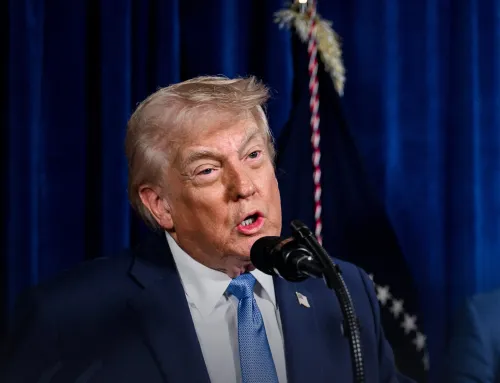
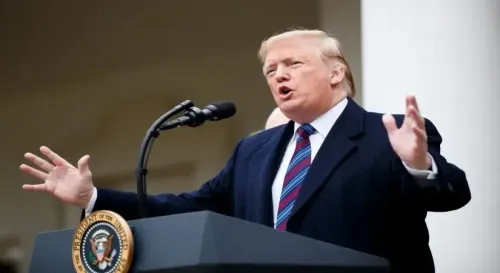
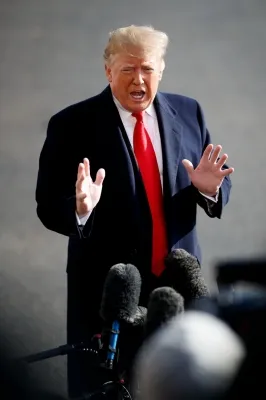
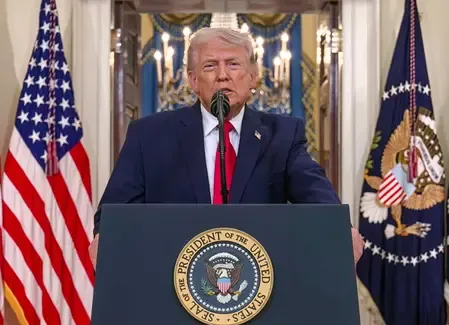
Washington, April 4 (NationPress) U.S. President Donald Trump issued a stark warning to Iran on Saturday, asserting that "time is running out." He claimed they have "48 hours before all Hell will break loose upon them," as criticism from Congress escalates regarding his strategy and authority in the ongoing conflict.
In a post on social media, Trump stated: "Recall when I gave Iran ten days to STRIKE A DEAL or CLOSE THE HORMUZ STRAIT. Time is running out - 48 hours before all Hell will descend upon them. Glory be to GOD!"
This warning arrives amidst a growing debate in Washington concerning the administration's management of the war, which has now entered its fifth week. Lawmakers are questioning both the aims and execution of the military actions.
Representative Brad Schneider, a member of the House Foreign Affairs Committee, expressed that the President has not clarified his intentions. "While he has consistently asserted his dedication to preventing Iran from acquiring a nuclear weapon, his remarks lacked any definitive strategy," Schneider remarked.
He further emphasized that the President has not articulated a plan to guide the region toward stability and peace, highlighting that Iran's nuclear program persists and its missile capabilities pose a danger to our allies, particularly the UAE and Israel.
In a different vein, Representative Joaquin Castro opposed the administration's appeal for additional war funding, sharply criticizing both the justification and repercussions of the conflict. "The President is seeking an additional $350 billion for his reckless campaign against Iran," Castro declared. "I will vote against funding this unlawful war, and will not support it."
He remarked that the conflict was initiated "under false pretenses and without the necessary congressional authorization," adding, "He asserted that Iran posed an imminent threat to the United States. This was not the case."
Castro also warned of the broader global and domestic repercussions, noting that Iran has effectively closed the Straits of Hormuz, which are vital for the flow of 20% of the world’s oil and other essential products.
He cautioned against further escalation, expressing concern over the President's potential plans for a significant ground invasion, which could lead to more American casualties and entangle another generation in a regime change war in the Middle East.
Both representatives advocated for a shift towards diplomatic resolutions. Schneider noted that progress requires "collaborating with our allies, utilizing both good faith negotiations and the threat of shared military power," while Castro called for "negotiating a ceasefire and a diplomatic accord to reopen the Straits of Hormuz."
Point of View
It is crucial to consider the complexities of international diplomacy and military strategy. The President's ultimatum introduces a new level of urgency, but it also raises questions about the clarity of objectives and the potential consequences of military escalation. A balanced approach prioritizing dialogue may be essential to avoid further conflict.
NationPress
15 Oct 2026
Frequently Asked Questions
What did Trump say in his warning to Iran?
Trump warned Iran that they have 48 hours before severe retaliation occurs, stating that 'time is running out.'
How did Congress respond to Trump's warning?
Lawmakers, including Representatives Schneider and Castro, criticized Trump's strategy, questioning his objectives and calling for a shift towards diplomacy.
What are the implications of closing the Straits of Hormuz?
Closing the Straits of Hormuz could severely impact global oil supply, as it is a critical passage for 20% of the world's oil transport.
What funding is the administration seeking for the conflict?
The administration is requesting an additional $350 billion to fund military operations against Iran.
What alternatives to military action are being proposed?
Lawmakers are advocating for diplomatic negotiations and a ceasefire to resolve tensions with Iran.