Trump's Outrageous Rhetoric Amid Iran Conflict Escalation
Synopsis
In a shocking display of frustration, the US President unleashes strong language and religious references over the Iran war, raising serious questions about future actions as diplomatic efforts hang in the balance.
Key Takeaways
Trump's social media outburst raises concerns about future US-Iran relations.
Iran's threats indicate a potential escalation in the conflict.
Public opinion is largely against military actions in Iran.
Potential energy market disruptions loom as tensions rise.
Diplomatic efforts may be jeopardized by aggressive rhetoric.
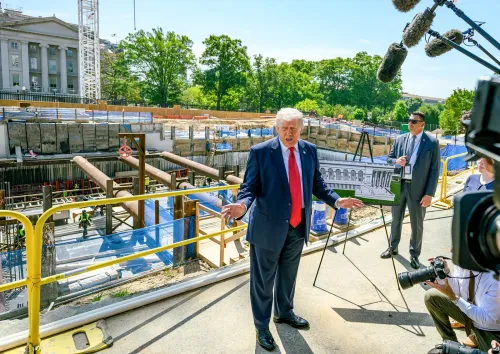
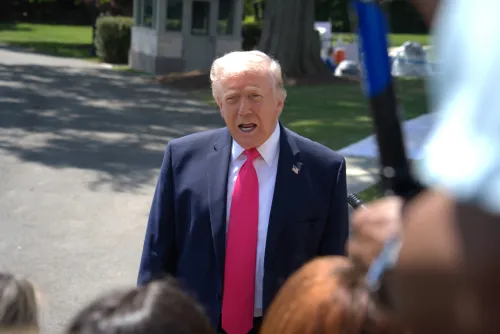
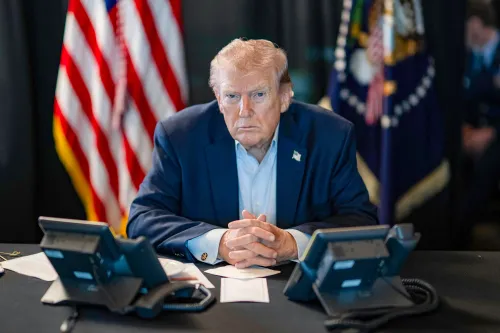
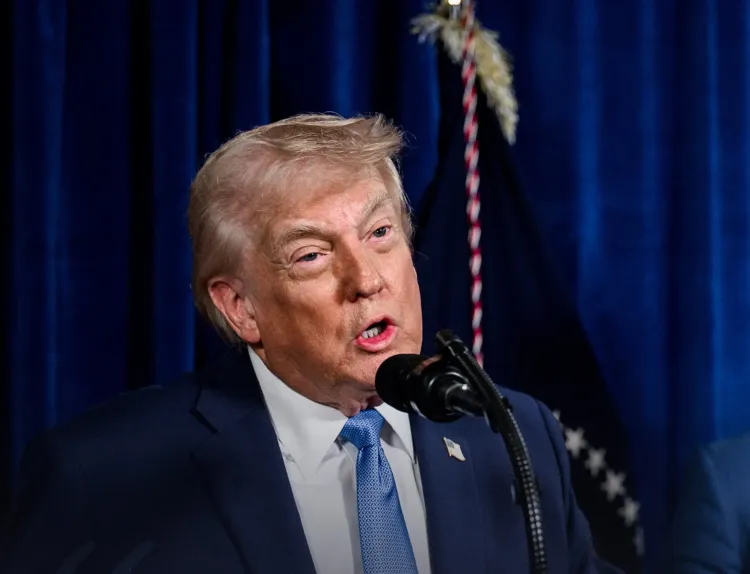
New York, April 6 (NationPress) The President of the United States has expressed his deep frustration and anger regarding the ongoing Iran conflict through a barrage of strong language and religious undertones in social media messages. These posts have sparked speculation about his potential actions as the deadline for Tehran to allow passage through the Strait of Hormuz approaches on Tuesday.
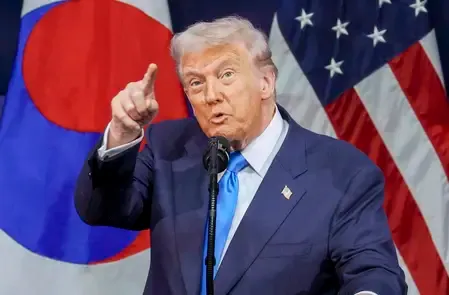
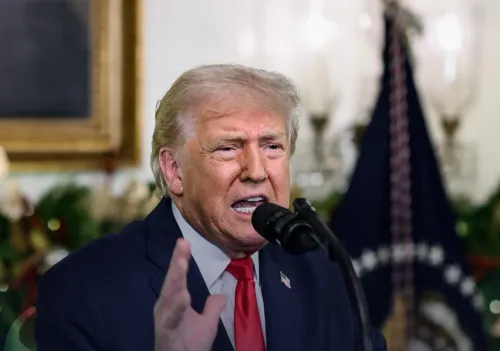
“Open the F—in’ Strait, you crazy bastards, or you’ll be living in Hell,” he declared on Sunday, using the explicit language openly.
He concluded his message with a reference to the Islamic deity: “Praise be to Allah”.
This outburst came just hours after the rescue of the second crew member from the aircraft downed by Iran.
On Easter eve, he warned, “Time is running out - 48 hours before all Hell will reign down on them,” adding, “Glory be to GOD”!
Throughout both posts, he painted vivid images of “hell”.
In response, Tehran escalated its war of words and threats.
“If the White House dares to repeat its foolish mistakes, it will soon realise that the flow of global energy and trade can be disrupted with a single move,” cautioned Ali Akbar Velayati, a former foreign minister and senior advisor to Iran’s Supreme Leader Ayatollah Seyyed Mojtaba Khamenei, as reported by Iranian media.
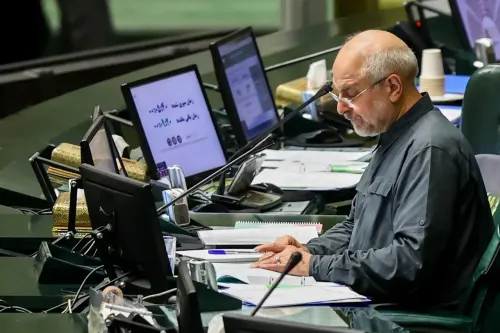
Iran's Parliament Speaker, Mohammad Bagher Ghalibaf, reacted to Trump’s “hell” threats, posting on X, “Your reckless moves are dragging the United States into a living HELL.”
Such threats could undermine the diplomatic efforts among Pakistan, Turkey, and Egypt aimed at de-escalating the situation, despite Islamabad’s attempts to involve China.
Tehran’s Foreign Minister, Seyed Abbas Araghchi, indicated on Saturday that Tehran remains open to negotiations, refuting claims that it was withdrawing from talks.
“We have never refused to go to Islamabad,” he affirmed.
Trump’s recent outburst starkly contrasts with his earlier optimism. Just last week, he remarked that “talks” were progressing well, referring to communications facilitated through Pakistan and other intermediaries, stating, “I do see a deal in Iran, yeah. Could be soon.”
He even claimed success in achieving a “regime change” in Tehran, suggesting he was negotiating with a “NEW, AND MORE REASONABLE, REGIME” to conclude military operations.
However, his latest threat of an all-out conflict could jeopardize these diplomatic endeavors.
Iran’s potential retaliation targeting energy production in Gulf countries could exacerbate the global energy crisis.
Past US presidents have been known to use strong language in private settings, as revealed by several aides, including former President Joe Biden, who was caught on a hot mic using the “F-word.”
This instance marks the first time a president has employed such language in a virtual diplomatic communication, albeit digitally delivered.
His aggressive post comes amid declining poll numbers regarding the Iran conflict, his overall performance, and the looming mid-term elections, coinciding with rising prices impacting voters.
CNN polls from last week indicated that 64 percent of Americans disapproved of military actions against Iran, with only 28 percent supporting it—a trend echoed in other surveys.
Additionally, 62 percent disapproved of his job performance, with only 38 percent approval—worryingly close to Biden’s low of 36 percent.
Two generic polls concerning the upcoming Congressional elections in November, conducted by CNN and The Economist, suggested Democrats could gain six seats in the House of Representatives, potentially ending the Republicans’ slim majority.
If this occurs, Democrats would gain a stronger hold on the House, raising the possibility of impeachment.
After aligning with Israel in the severe conflict, Trump now confronts unforeseen challenges: Iran’s capability to restrict passage through the Strait of Hormuz, affecting petrol availability in Washington, and Iran’s strikes on US allies in the Gulf, further complicating the global energy landscape and resulting in the downing of at least one US aircraft.
His attempts to involve NATO have also faltered, as he dismissed Britain’s offer to deploy an aircraft carrier and criticized his allies.
Faced with what appears to be an insurmountable predicament, he proclaimed in his Sunday post, “Tuesday will be Power Plant Day, and Bridge Day, all wrapped up in one, in Iran. There will be nothing like it!!!” – a stark warning that he would order the destruction of power plants and bridges across Iran to incapacitate it.
Point of View
The President's recent language choices and threats indicate a dramatic shift in tone regarding the Iran conflict. While diplomatic efforts are underway, the potential for further escalation raises concerns about international stability and the global energy market.
NationPress
17 Oct 2026
Frequently Asked Questions
What did President Trump say about Iran?
President Trump expressed his frustration using strong language, demanding Iran to open the Strait of Hormuz and threatening severe consequences if they do not comply.
How has Iran responded to Trump's threats?
Iran has intensified its rhetoric, warning that any further mistakes from the White House could disrupt global energy and trade.
What impact could this conflict have on global energy?
The ongoing tensions and potential retaliatory actions from Iran could significantly affect energy production in Gulf countries, exacerbating global energy challenges.
What is the current public opinion on Trump's handling of the Iran war?
Recent polls indicate that a majority of Americans disapprove of Trump's military actions against Iran, reflecting growing public discontent.
What are the implications for US diplomacy in the region?
Trump's aggressive stance may undermine ongoing diplomatic efforts with other nations, potentially leading to further escalations in the conflict.