Should Khamenei's Rule over Iran Come to an End?
Synopsis
In a bold statement, President Trump calls for a shift in leadership in Iran, criticizing Ayatollah Khamenei amidst ongoing protests. With public anger over repression and economic hardship boiling over, the call for change resonates strongly. Can Iran find a new path forward?
Key Takeaways
Trump calls for an end to Khamenei's rule amid protests.
Public unrest in Iran driven by political and economic grievances.
Trump labels current leadership as violent and oppressive .
Khamenei accuses the US of inciting unrest.
The situation in Iran remains tense and volatile .
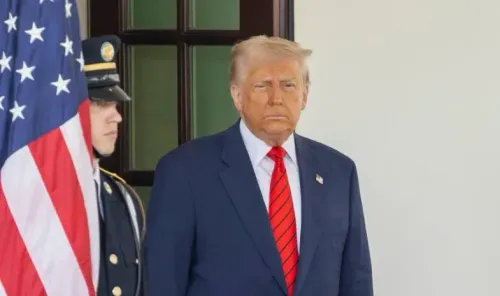
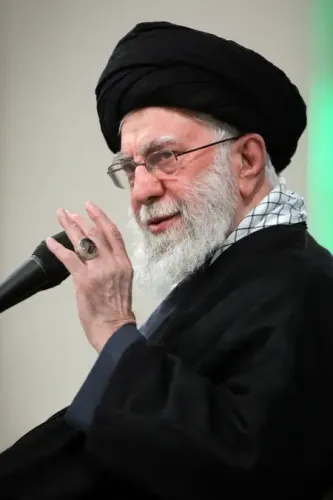
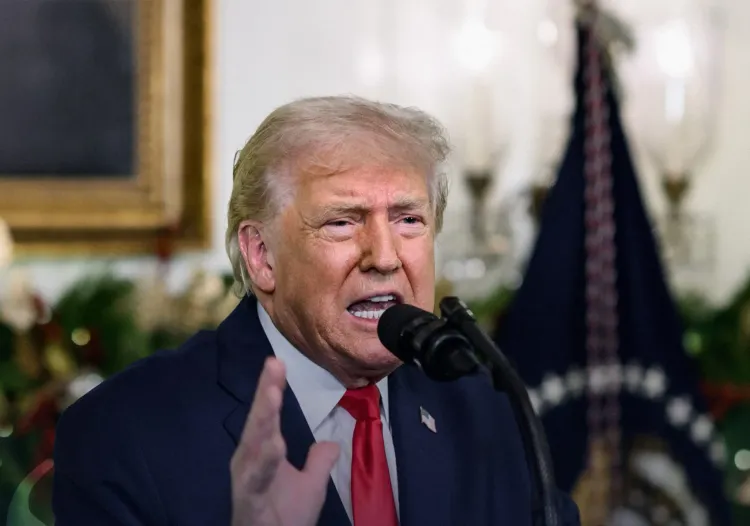
Washington, Jan 18 (NationPress) US President Donald Trump has urged for the conclusion of Ayatollah Ali Khamenei’s extended rule in Iran, asserting that the nation requires new leadership amid ongoing public protests.
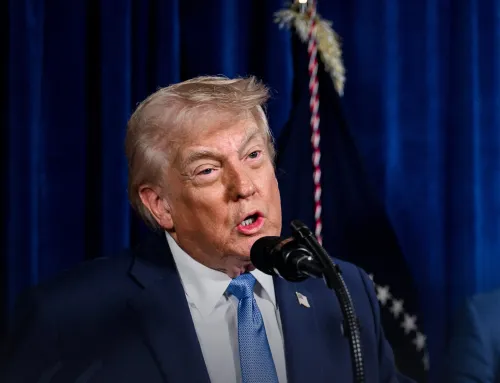
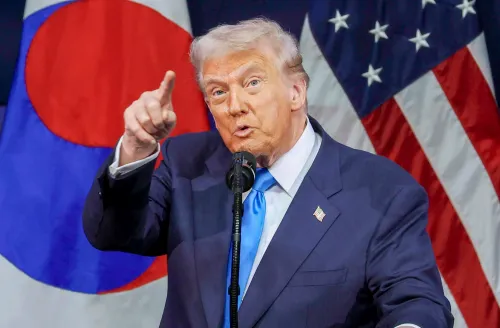
In an interview with Politico on Saturday, Trump stated, “It’s time to seek new leadership in Iran,” as the Islamic Republic grapples with weeks of demonstrations fueled by widespread discontent over political oppression, economic struggles, and violations of human rights.
Trump expressed strong disapproval of Iran’s governance, claiming it operates through violence and intimidation. He referred to recent alleged executions, stating, “The best decision he ever made was not hanging more than 800 people two days ago.”
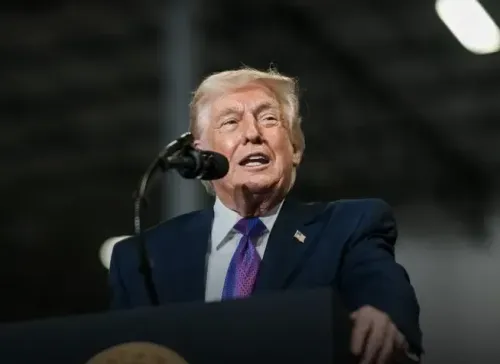
The US President contended that the ruling elite in Iran relies on repression to maintain their grip on power, attributing the country's decline to Khamenei's leadership. Trump accused the Supreme Leader of overseeing the “complete destruction” of Iran and employing extreme violence to silence opposition.
“To keep the nation functioning – albeit at a very minimal level – the leadership should prioritize effective governance, akin to how I operate in the United States, rather than resorting to mass killings to retain control,” Trump remarked.
He further claimed, “Leadership is about respect, not fear and death.”
Escalating his criticism, Trump labeled Khamenei a “sick man” and attributed Iran’s grim condition to its current rulers. According to him, it is their governance that has made Iran the “worst place to live anywhere.”
Trump’s statements followed Khamenei's assertion that Iran has triumphed over the United States and Israel “once again” and has “extinguished the sedition” allegedly incited by Washington and Tel Aviv.
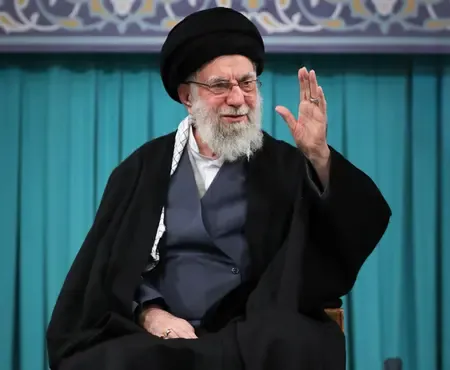
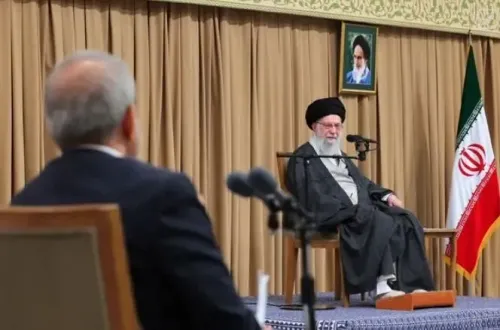
During a speech commemorating a religious holiday on Saturday, Khamenei accused the United States of orchestrating the unrest with the intention of “swallowing up Iran.”
He characterized US President Donald Trump as a “criminal” responsible for the violence and chaos during recent riots in Iran, adding that Trump personally engaged, made public comments, and encouraged rioters by promising military support.
Khamenei indicated that while Iran would not pursue war, it “will not refrain from punishing those responsible” for the unrest, whether domestically or internationally.
Point of View
It's vital to remain focused on the facts. Trump's remarks reflect a significant moment in US-Iran relations, showcasing the ongoing tensions and unrest in Iran. While the call for new leadership is a critical issue, the implications of such statements should be analyzed carefully, keeping the broader context in mind. We stand committed to delivering balanced and accurate reporting on this evolving situation.
NationPress
23 Sept 2026
Frequently Asked Questions
What prompted Trump's call for new leadership in Iran?
Trump's call stemmed from ongoing protests in Iran, fueled by public discontent over political repression, economic issues, and human rights abuses.
How did Khamenei respond to the protests?
Khamenei accused the United States of inciting unrest and characterized Trump as a 'criminal' for his involvement in the situation.
What are the implications of Trump's statements?
Trump's comments could heighten tensions between the US and Iran and influence international perspectives on Iran's leadership.