Iran parliament speaker warns of 'regret-inducing' response to any US threat
Synopsis
Iran's parliament speaker and security committee chair issued twin warnings to Washington — invoking the Strait of Hormuz and threatening 'painful and crushing' blows — days after Trump told the UN he was deciding whether to cut a deal with Tehran or 'annihilate the Islamic Republic.' With back-channel contacts confirmed but no progress disclosed, the risk of miscalculation is rising fast.
Key Takeaways
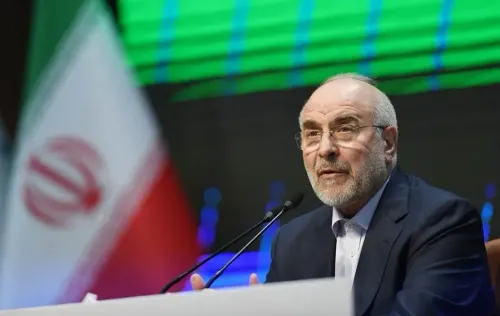
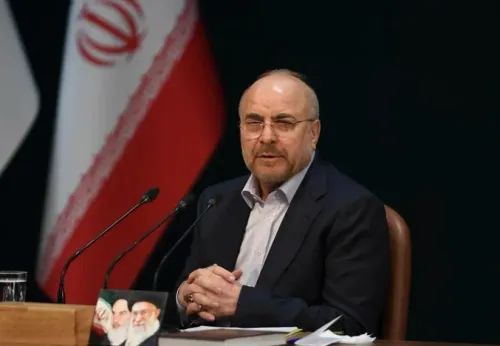
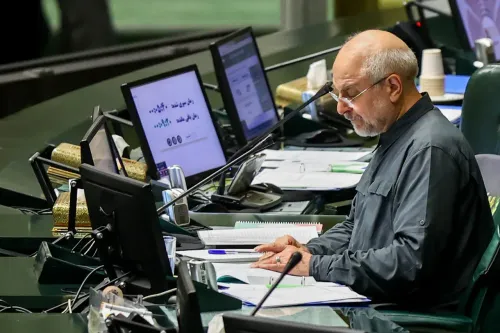
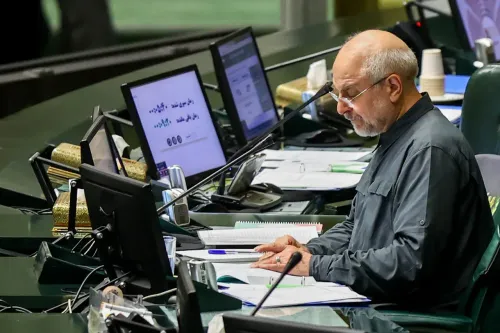
Mohammad Bagher Ghalibaf , Iran's parliament speaker, warned on Tuesday that any US threat or adventurism would be met with a 'regret-inducing and swift' response.
Ebrahim Azizi , chair of Iran's parliamentary national security committee, warned of 'painful and crushing' blows if the US wages war or continues a naval blockade.
Ghalibaf explicitly threatened that if Iran cannot sell oil through the Strait of Hormuz , no country in the region will be allowed to either.
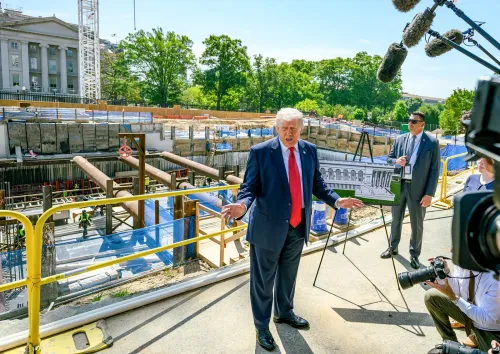
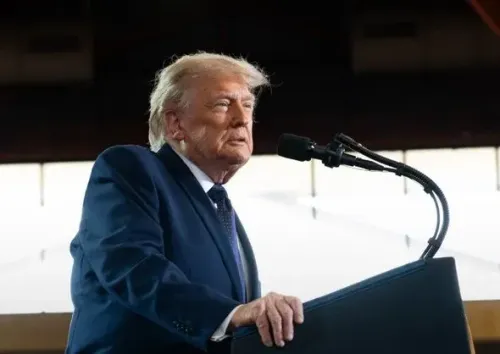
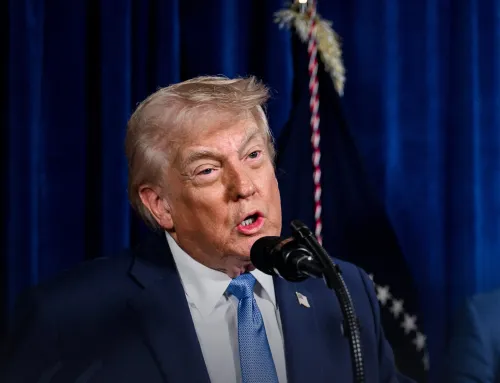
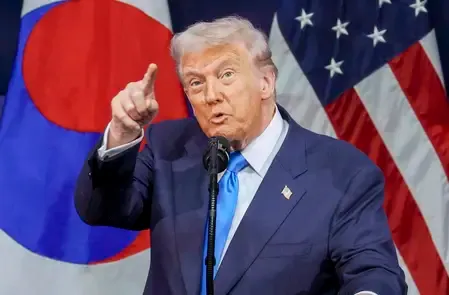
Donald Trump told the 81st UNGA he was weighing whether to broker a deal with Iran or 'annihilate the Islamic Republic.' Trump confirmed his team has spoken to Iran but gave no details on progress, mediators, or the substance of talks.
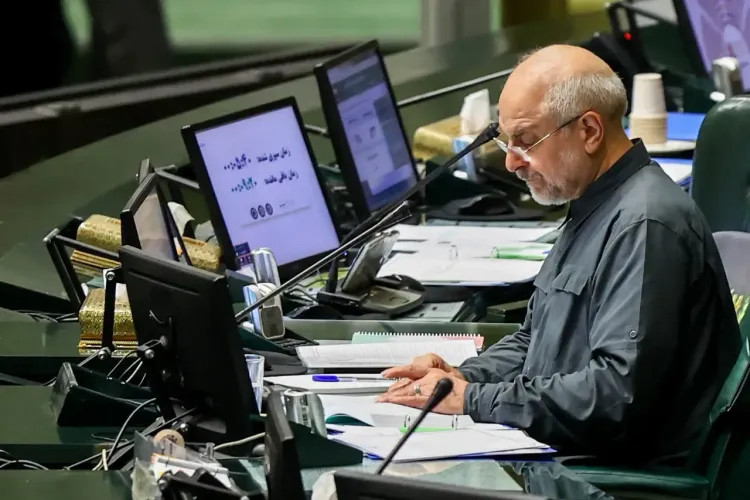
Iran's Parliament Speaker Mohammad Bagher Ghalibaf on Tuesday warned that Tehran's response to any US threat or adventurism would be 'regret-inducing and swift,' according to Iran's official state news agency IRNA. The remarks, delivered at an open session of parliament in Tehran, came days after US President Donald Trump made pointed remarks about Iran at the 81st United Nations General Assembly (UNGA) in New York.
What Ghalibaf Said
Speaking directly to parliament, Ghalibaf declared that the era of intimidating the 'civilised' Iranian nation had come to an end. He said Iran would never be compelled to retreat from its rights and demands — regardless of threats, rhetoric, or economic and aerial blockades. His tone was notably defiant, framing Washington's posture as unchanged and hostile despite diplomatic overtures.
Ghalibaf specifically targeted Trump's remarks about US control over the Strait of Hormuz — one of the world's most critical oil shipping chokepoints. 'In a region where we do not sell oil, no one else will sell oil either; and if our security is not ensured, no infrastructure will be safe,' he said, according to reports.
Parliament Security Committee Adds to the Warnings
Ebrahim Azizi, chairman of the Iranian parliament's national security and foreign policy committee, echoed and amplified the warning. He said that if the United States makes another miscalculation — such as waging war or continuing a naval blockade — Iran would deliver 'painful and crushing' blows in response. Azizi's remarks indicate a unified hardline position across Iran's legislative institutions.
What Trump Said at UNGA That Triggered the Response
At the UNGA, Trump told world leaders he faced a 'big decision' on Iran — framing his options as either brokering a deal that would let Iran 'rebuild and create a far greater country than it ever was before,' or choosing to 'annihilate the Islamic Republic and do it quickly.' The remarks drew immediate international attention for their stark framing.
Trump also confirmed, when asked at the White House, that members of his team had spoken to Iran: 'Yeah, they have.' He acknowledged possible involvement of mediators but declined to name those involved, specify the channel of communication, or describe the substance of the discussions. He said he expected the confrontation to conclude 'quickly, one way or the other.'
Why the Strait of Hormuz Warning Matters
Iran's explicit warning about the Strait of Hormuz carries significant geopolitical weight. Roughly 20% of the world's traded oil passes through the strait. Any disruption — or even a credible threat of one — historically triggers sharp moves in global crude prices and risks escalating into a broader regional conflict. This is not the first time Iran has invoked Hormuz as a pressure lever; it has done so repeatedly during periods of US-Iran tension, including during the 2019 tanker incidents.
What Comes Next
The exchange underscores that diplomatic back-channels, however tentative, have not yet produced a framework for de-escalation. With Trump's team reportedly in contact with Tehran but no progress publicly confirmed, and Iran's parliament presenting a unified hawkish front, the risk of miscalculation remains elevated. Observers will watch whether the White House names a formal interlocutor or whether talks remain informal and deniable.
Point of View
But Iran's parliamentary response reveals how little diplomatic runway exists between the two positions. Ghalibaf's Strait of Hormuz warning is the more consequential line: it signals that any US military action would be met not just with retaliation against American assets, but with a deliberate oil-supply shock targeting global markets. What mainstream coverage underplays is the internal political function of these statements — with Iran under economic pressure, hardliners need to demonstrate resolve domestically as much as internationally. The confirmation of back-channel contact, however vague, is the sole signal that both sides are not yet fully locked into a collision course.
NationPress
29 Sept 2026
Frequently Asked Questions
What did Iran's parliament speaker warn the US about?
Iran's Parliament Speaker Mohammad Bagher Ghalibaf warned on Tuesday that Tehran's response to any US threat or adventurism would be 'regret-inducing and swift.' He also stated that if Iran's security in the Strait of Hormuz region is not ensured, no regional infrastructure would be safe.
What did Trump say about Iran at the UN General Assembly?
At the 81st UN General Assembly in New York, Trump said he faced a 'big decision' on Iran — choosing between a deal that lets Iran rebuild or moving to 'annihilate the Islamic Republic and do it quickly.' He also confirmed his team had been in contact with Iran but provided no details on the talks.
Why is the Strait of Hormuz significant in the Iran-US standoff?
The Strait of Hormuz is a critical global oil chokepoint through which roughly 20% of the world's traded oil passes. Iran's threat to deny other regional countries the ability to sell oil if its own security is not guaranteed raises the risk of a global energy supply disruption in the event of any military escalation.
Has the US confirmed talks with Iran?
Yes. Trump confirmed at the White House that members of his team had spoken to Iran and indicated mediators may be involved. However, he did not identify the parties, the channel, or the substance of discussions, and gave no indication of progress toward ending the confrontation.
Who is Ebrahim Azizi and what did he say?
Ebrahim Azizi is the chairman of the Iranian parliament's national security and foreign policy committee. He warned that if the US makes another miscalculation — including waging war or continuing a naval blockade against Iran — Tehran would deliver 'painful and crushing' blows in response.