Iran's Ghalibaf warns US bases are 'legitimate targets' amid naval blockade
Synopsis
Iran’s top negotiator and Parliament Speaker Ghalibaf has declared US military assets in the region ‘legitimate targets’ — even as Iran sits at the nuclear negotiating table with Washington. The warning, issued on the same day Israel struck Beirut and Trump called for more surgical Hezbollah raids, exposes a volatile dual-track: diplomacy in one hand, missile threats in the other.
Key Takeaways
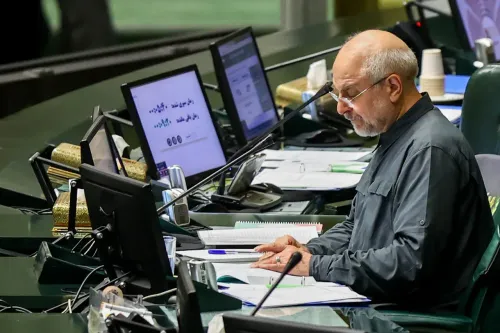
Mohammad Bagher Ghalibaf , Iranian Parliament Speaker and chief negotiator, warned on 7 June that US bases and assets in the region are “legitimate targets.” He cited a US naval blockade against Iran and America’s alleged “green light” to Israel as justification.
The IDF struck a “terrorist headquarters” in Beirut’s Dahieh district on the same day, in response to Hezbollah firing at Israeli territory.
President Trump called for “more surgical” Israeli strikes against Hezbollah in an NBC News interview on Sunday.
Last month, Ghalibaf stated Iran “obtains concessions not through dialogue, but with missiles.” Treasury Secretary Scott Bessent claimed US pressure has brought Iran to discuss nuclear issues previous administrations could not address.
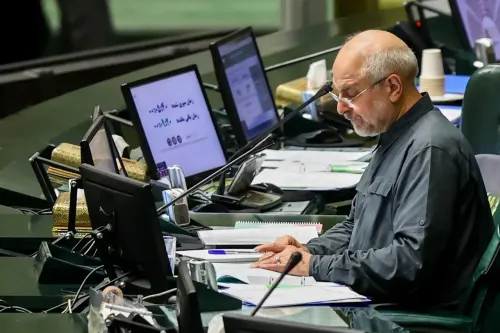
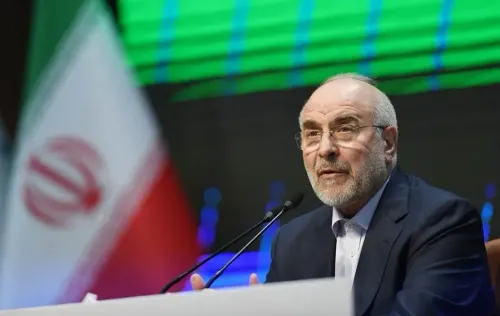
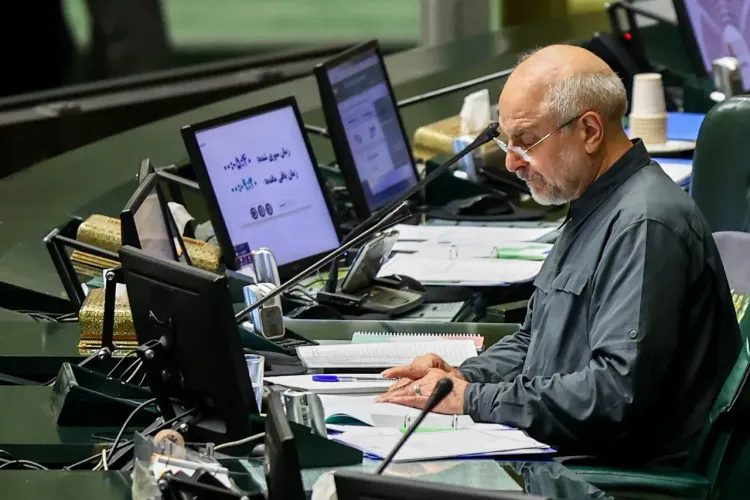
Iranian Parliament Speaker and chief negotiator Mohammad Bagher Ghalibaf on Sunday, 7 June issued a stark warning that American bases and assets across the region have become “legitimate targets,” citing a US naval blockade against Iran and what he described as Washington’s “green light” to Israel. The warning, posted directly on social media platform X, marks one of Tehran’s sharpest public threats against US military presence in the region in recent months.
Ghalibaf’s Warning in Full
“They (US) are neither committed to a ceasefire nor believe in dialogue, and by demonstrating through the naval blockade and violation of agreements regarding Lebanon that they only understand the language of power,” Ghalibaf wrote. He added: “The naval blockade against the Iranian nation and America’s green light today to the Zionist regime turn American and regime bases and assets in the region into legitimate targets. The hand of our armed forces is open, as always.”
This comes amid an active US-Iran nuclear negotiation track, raising questions about whether Tehran is simultaneously pursuing diplomacy while signalling military readiness — a posture Ghalibaf himself framed last month when he said Iran “obtains concessions not through dialogue, but with missiles.”
Israel Strikes Beirut as Lebanon Tensions Flare
The warning coincided with fresh Israeli Defence Forces (IDF) strikes on Beirut’s Dahieh district on Sunday. According to a statement posted on X by the Israeli Prime Minister’s office, the strike targeted a “terrorist headquarters” in response to Hezbollah’s firing at Israeli territory. The action was carried out “in accordance with the directive of Israeli Prime Minister Benjamin Netanyahu and Defence Minister Israel Katz,” the statement said.
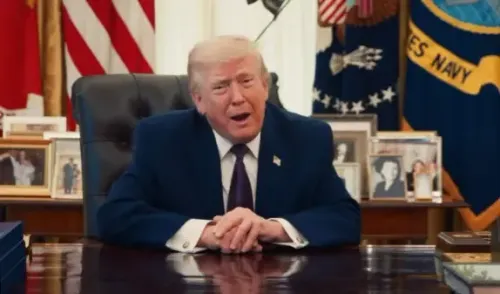
Notably, US President Donald Trump on the same day called for “more surgical” Israeli raids against Hezbollah. “I would like Lebanon to have a better life. I would like to see a more targeted attack against Hezbollah. I think it should be more surgical,” Trump said in an NBC News interview on Sunday.
Iran’s Dual-Track Posture: Missiles and Negotiations
Last month, Ghalibaf had laid out Iran’s strategic calculus explicitly, writing on X: “We obtain concessions not through dialogue, but with missiles; in negotiations, we merely make them understandable.” He also emphasised that “the winner of any agreement is the one who is better prepared for war from the day after.”
He further noted that Iran places no trust in guarantees or words, insisting only actions serve as a measure of intent — and that Tehran will not move before the other side does. This hardline framing sits in direct tension with the ongoing diplomatic track.
Washington’s Reading of the Situation
The Trump administration has claimed its campaign of military and economic pressure has succeeded in drawing Iran to the negotiating table on its nuclear programme. Treasury Secretary Scott Bessent reportedly said Tehran is now discussing issues that previous US administrations were unable to get it to address — a characterisation Iran has not publicly confirmed.
As both sides maintain pressure tactics, the risk of miscalculation in a region already strained by the Lebanon conflict and Iran’s nuclear standoff remains elevated. Whether Ghalibaf’s warning is a negotiating signal or a genuine military posture will likely become clearer in the days ahead.
Point of View
Not impulsive — it is the same official sitting across the table in nuclear talks who is now publicly declaring US assets fair game. That contradiction is the story. Tehran appears to be using escalatory rhetoric as leverage, a pattern consistent with its past negotiating behaviour. But the risk is real: with IDF strikes active in Beirut, a US naval blockade in effect, and Trump simultaneously nudging Israel toward more strikes, the margin for miscalculation is narrowing fast. Washington’s claim that its pressure campaign is ‘working’ may be premature if Iran’s idea of concessions still comes at missile-point.
NationPress
23 Oct 2026
Frequently Asked Questions
What did Iran’s Ghalibaf warn on 7 June?
Iranian Parliament Speaker and chief negotiator Mohammad Bagher Ghalibaf warned that US bases and assets in the region have become ‘legitimate targets,’ citing a US naval blockade against Iran and what he described as America’s green light to Israel. The warning was posted on social media platform X.
Why did the IDF strike Beirut on Sunday?
The Israeli Defence Forces struck a ‘terrorist headquarters’ in the Dahieh district of Beirut on Sunday in response to Hezbollah’s firing at Israeli territory. The strike was carried out under directives from Prime Minister Benjamin Netanyahu and Defence Minister Israel Katz, according to the Israeli Prime Minister’s office.
What did Trump say about the Lebanon conflict?
President Trump, in an NBC News interview on Sunday, said he wants Israel to conduct ‘more surgical’ raids against Hezbollah. He said, ‘I think it should be more surgical,’ while expressing a desire for Lebanon to have a better life.
Is Iran currently in nuclear talks with the US?
Yes, Iran and the United States are engaged in ongoing nuclear negotiations. The Trump administration has claimed its military and economic pressure campaign has brought Tehran to discuss issues that previous administrations could not, though Iran has not publicly confirmed that characterisation.
What has Ghalibaf said previously about Iran’s negotiating strategy?
Last month, Ghalibaf stated on X that Iran ‘obtains concessions not through dialogue, but with missiles; in negotiations, we merely make them understandable.’ He also said the winner of any agreement is the side better prepared for war from the day after signing.