Iran won't sign US nuclear deal until people's rights secured: Parliament Speaker
Synopsis
Iran's Parliament Speaker Ghalibaf publicly ruled out any nuclear deal with the US unless Tehran's conditions are fully met — even as Trump claimed a deal was 'close' and warned of military action if talks fail. The gap between Tehran's hardline posture and Washington's guarded optimism has rarely been more stark.
Key Takeaways
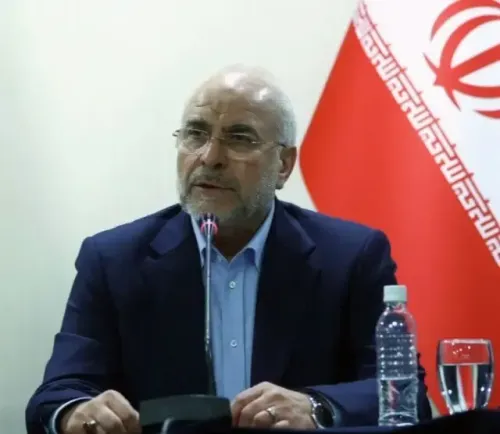
Mohammad Baqer Ghalibaf declared on Sunday that Iran would not sign any deal with the US until the Iranian people's rights were 'secured.' Ghalibaf said Iranian negotiators have no trust in the 'enemy's' words and demanded 'tangible achievements' before fulfilling any commitments.
In an X post on Friday , Ghalibaf stated: 'We obtain concessions not through dialogue, but with missiles.' The IRGC reported 28 vessels passed through the Strait of Hormuz in 24 hours under its naval protection.
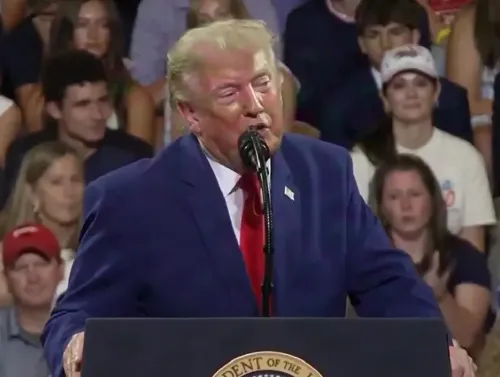
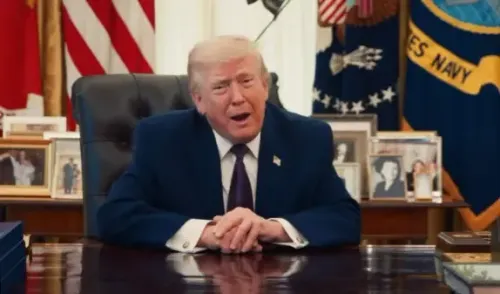
US President Donald Trump said the US was 'close to a very good deal' but warned military action remained an option if negotiations failed.
Trump claimed Iran had agreed to language barring it from developing or acquiring a nuclear weapon.
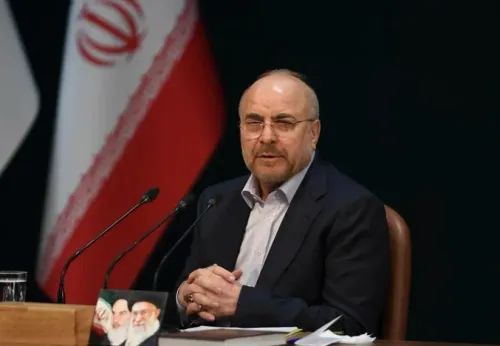
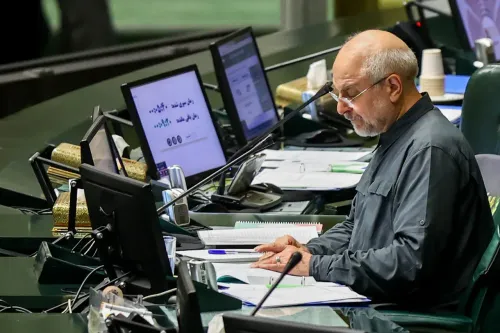
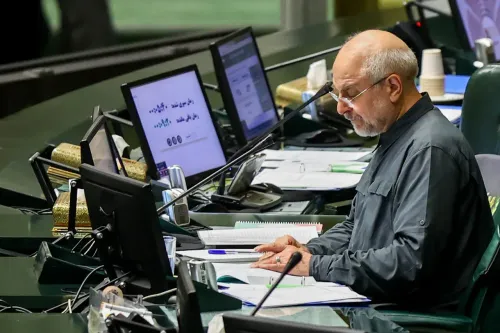
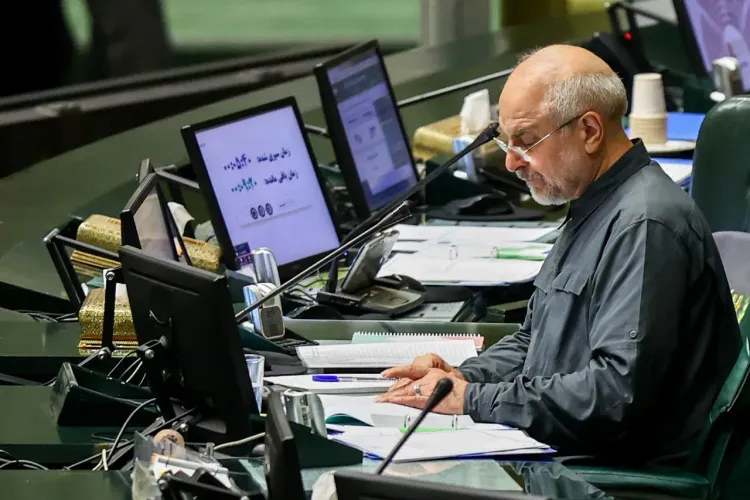
Iranian Parliament Speaker Mohammad Baqer Ghalibaf declared on Sunday, 1 June 2025, that Tehran would not endorse any agreement with the United States unless the rights of the Iranian people were fully guaranteed. The statement, made during an online parliamentary session, signals continued hardline resistance even as Washington signals it is close to a deal.
Ghalibaf's Core Conditions
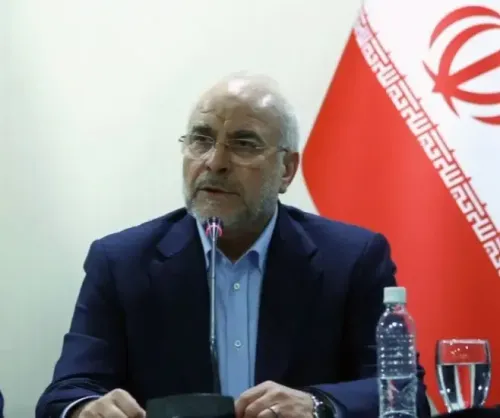
Addressing lawmakers, Ghalibaf stressed that Iranian negotiators placed no trust in what he called the 'enemy's' words or promises. 'Our criterion is tangible achievements that we must attain in order to fulfil our commitments in return,' he said. 'We will not approve any agreement until we are sure that we have secured the Iranian nation's rights.'
The Speaker also pointed to what he described as Iran's 'achievements' on the battlefield, arguing that the role of diplomacy was to convert 'these victories into political and legal achievements.'
Warning on Internal Discord
Ghalibaf cautioned that in a new phase of the conflict, adversaries were attempting to foment internal divisions through economic pressure and media propaganda in order to compel Iran to capitulate. He expressed confidence that the Iranian people would resist such efforts.
In a post on social media platform X on Friday, Ghalibaf had stated: 'We obtain concessions not through dialogue, but with missiles; in negotiations we merely make them understandable.' — a remark that drew wide international attention.
IRGC Reports Hormuz Passage
Separately, Iran's Islamic Revolutionary Guard Corps (IRGC) reported on Sunday that 28 vessels — including oil tankers, container ships, and commercial vessels — had transited the Strait of Hormuz in the preceding 24 hours after obtaining permission and receiving naval protection from the IRGC. The Strait of Hormuz remains one of the world's most critical energy chokepoints, handling roughly 20% of global oil flows.
Trump: 'Close to a Very Good Deal'
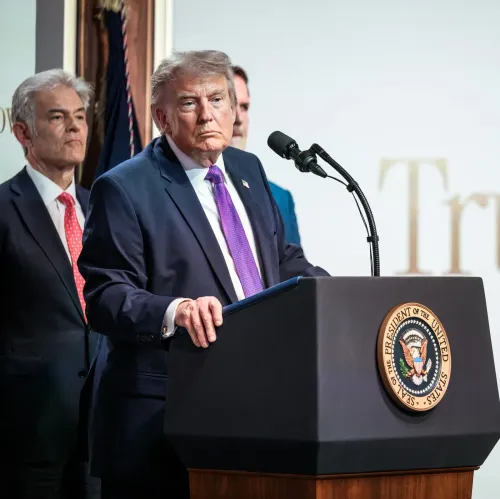
Meanwhile, US President Donald Trump told Fox News in an interview at the White House that his administration was close to reaching a nuclear agreement with Iran, while making clear that military action remained on the table if talks collapsed. 'We're close to a very good deal, and if we can make it good, otherwise we just start up with the Department of War, as we call it,' Trump said.
Trump added that Iran had already agreed to language explicitly barring it from developing or acquiring a nuclear weapon — a significant, if unverified, claim. His administration has consistently framed preventing a nuclear-armed Iran as its primary objective in the ongoing negotiations.
What Happens Next
The divergence between Tehran's public posture and Washington's optimism underscores the fragility of the current diplomatic track. With Ghalibaf insisting on 'tangible achievements' before any sign-off and Trump simultaneously dangling both a deal and military force, the negotiating window remains narrow. How both sides define 'secured rights' and 'good deal' will determine whether talks advance or collapse in the coming weeks.
Point of View
Not dialogue' framing is not just rhetoric — it is a domestic political signal designed to box in Iran's own negotiating team. The harder question is whether the IRGC's reported Hormuz passage data, released on the same day, is a deliberate show of leverage or routine transparency. Trump's simultaneous 'close to a deal' and 'Department of War' messaging mirrors the maximum-pressure playbook of his first term, which ultimately failed to produce a lasting agreement. The real risk is that both sides are performing for domestic audiences while the window for a workable deal quietly closes.
NationPress
19 Sept 2026
Frequently Asked Questions
What did Iran's Parliament Speaker say about a nuclear deal with the US?
Speaker Mohammad Baqer Ghalibaf said on Sunday that Iran would not agree to any deal with the United States until the rights of the Iranian people were fully secured. He stressed that Iranian negotiators had no trust in the 'enemy's' promises and demanded tangible achievements before Iran fulfilled any commitments.
What did Donald Trump say about the Iran nuclear negotiations?
US President Donald Trump said in a Fox News interview at the White House that the United States was 'close to a very good deal' with Iran. He also warned that military action remained an option if negotiations failed, and claimed Iran had agreed to language barring it from developing or acquiring a nuclear weapon.
What did Ghalibaf post on X about Iran's negotiating strategy?
On Friday, Ghalibaf posted on social media platform X: 'We obtain concessions not through dialogue, but with missiles; in negotiations we merely make them understandable.' The post was widely interpreted as a signal of Iran's hardline stance ahead of any potential agreement.
What is the significance of the IRGC's Strait of Hormuz report?
Iran's Islamic Revolutionary Guard Corps reported that 28 vessels, including oil tankers and container ships, passed through the Strait of Hormuz in 24 hours under IRGC naval protection. The Strait is a critical global energy chokepoint, and the report underscores Iran's ability to influence or restrict international shipping as leverage in negotiations.
Why is the Iran-US nuclear deal still unresolved?
The deal remains elusive because Tehran insists on 'tangible' guarantees of its rights before signing, while Washington has not publicly detailed what concessions it is prepared to offer. The gap between Iran's hardline public posture and the US administration's optimistic framing suggests both sides are still far apart on the core terms.