Iran: Hormuz security tied to our arrangements, enemy won't dictate terms
Synopsis
Even as a June peace MoU nominally held, the US launched a second wave of strikes against Iran on Thursday — and Tehran's Parliament Speaker made clear that Iranian control over Strait of Hormuz 'arrangements' is a red line. The diplomatic window is narrowing fast, and global energy markets are watching every move.
Key Takeaways
Iran's Parliament Speaker Mohammad Baqer Qalibaf declared on 16 July that national security is tied to maintaining 'Iranian arrangements' in the Strait of Hormuz .
Qalibaf, also head of Iran's negotiating team, warned Tehran will not allow the 'enemy' to impose its will, while stressing readiness for battle.
The US–Iran peace MoU , signed on 18 June with a 60-day negotiation window, is now under severe strain amid active military clashes.
US Central Command announced a second wave of strikes against Iran on Thursday (IST) , targeting Iranian military capabilities near the Strait of Hormuz .
Qalibaf warned Iran sees no reason to remain committed to the MoU if it does not stand to benefit from it.
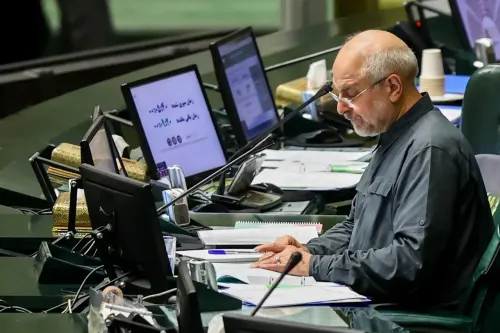
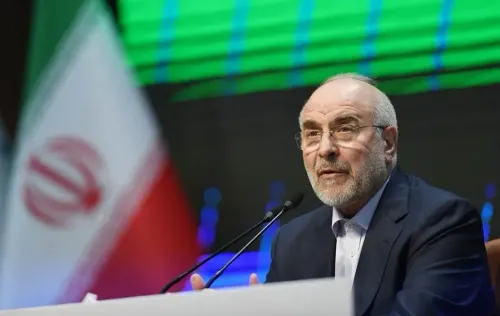
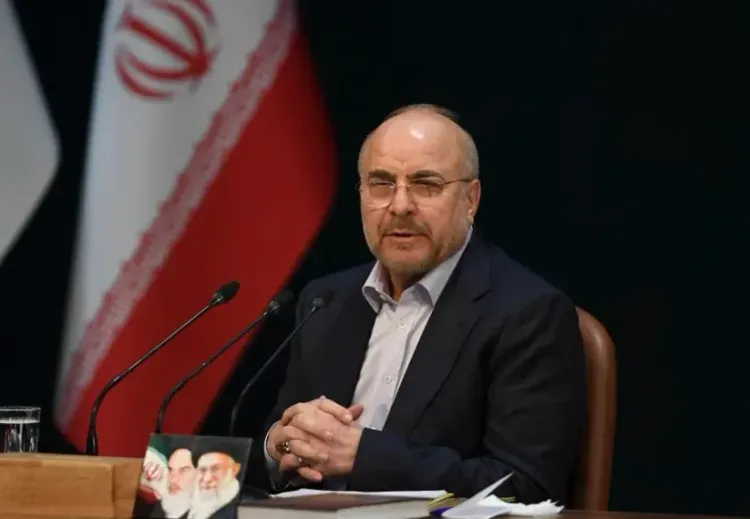
Iran's Parliament Speaker Mohammad Baqer Qalibaf declared on Wednesday, 16 July that the country's national security is inseparable from maintaining 'Iranian arrangements' in the administration of the Strait of Hormuz, warning that Tehran will not allow the 'enemy' to impose its will. The statement came as US military forces launched a second wave of strikes against Iran, escalating an already volatile confrontation over one of the world's most critical maritime chokepoints.
Qalibaf's Warning on Hormuz and National Security
Qalibaf, who also heads Iran's negotiating team, said in his statement that the United States seeks to deal blows to Iran whenever possible to advance its own interests. He stressed that Iran must calibrate its approaches — whether during war or negotiations — on the basis of national interests, security, realism, and long-term strategy.
He added that while Iran does not welcome war, 'we always must be ready for battle' to safeguard national security and interests. Diplomacy and negotiation, he said, must proceed in parallel to ensure those interests are protected.
The MoU That Now Hangs in the Balance
Qalibaf directly addressed the recently signed peace memorandum of understanding (MoU) between Iran and the United States, signed on 18 June, which had envisioned a 60-day negotiation period aimed at reaching a final agreement and ending the war across all regional fronts, including Lebanon.
The speaker said the MoU is meaningful only if its provisions are honoured and implemented. 'If Iran is not supposed to benefit from the deal, it sees no reason to remain committed to it,' he said, signalling Tehran's willingness to walk away. The agreement now hangs in the balance as clashes between Iranian and US forces have erupted over the past several days.
US Launches Second Wave of Strikes Against Iran
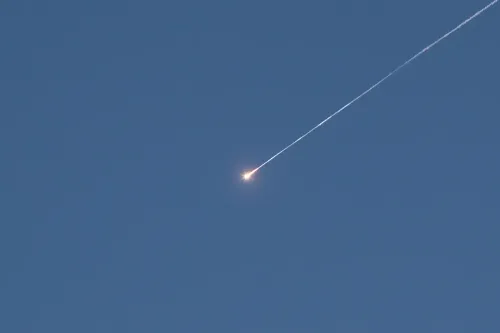
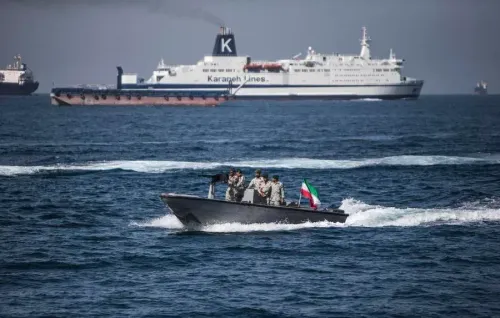
In a significant escalation, the US Central Command announced early on Thursday (IST) that American forces had launched a new round of strikes against Iran. 'At 3 p.m. ET (1900 GMT), US forces launched operations for a second wave of strikes today against Iran,' the command stated in a post on X. The strikes, according to US Central Command, are 'targeting Iranian military capabilities used to threaten vessels freely transiting through the Strait of Hormuz.'
This marks a sharp deterioration in the security situation, with both sides now engaged in active military exchanges even as diplomatic channels nominally remain open.
Why the Strait of Hormuz Matters
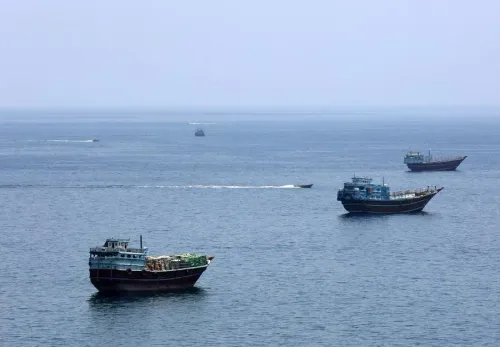
The Strait of Hormuz is the world's most critical oil transit chokepoint, through which roughly 20% of global petroleum supplies pass daily. Any disruption to freedom of navigation in the strait carries immediate consequences for global energy markets and regional stability. Iran has historically leveraged its geographic position along the strait as a strategic deterrent, and Qalibaf's remarks underline that Tehran views control over 'arrangements' there as non-negotiable.
This is not the first time Iran has invoked the Hormuz card during periods of heightened tension with Washington — the threat of closing or disrupting the strait has recurred across multiple confrontations since the early 1980s. The current episode, however, is notable for the simultaneity of active military strikes and ongoing, if fragile, diplomatic engagement.
What Comes Next
With the 60-day MoU window now under severe strain and US strikes continuing, the prospect of a negotiated settlement appears increasingly uncertain. Regional observers will be watching whether backchannel diplomatic efforts can hold the framework together, or whether the military escalation renders the June agreement effectively void. Global energy markets and shipping insurers are already pricing in elevated risk across the Persian Gulf corridor.
Point of View
Not a spontaneous outburst — it tells Washington that the Strait of Hormuz is Iran's ultimate leverage and that Tehran will not trade it away even in a negotiated settlement. The timing is pointed: issuing this while an MoU is nominally active suggests Iran is pre-positioning its justification to exit the deal if the strikes continue. What mainstream coverage underplays is the structural contradiction at the heart of this crisis — the US is simultaneously striking Iran and expecting the MoU framework to survive. That contradiction cannot hold indefinitely. The Hormuz chokepoint, carrying roughly a fifth of the world's oil, means the cost of miscalculation here is not merely regional but global.
NationPress
15 Oct 2026
Frequently Asked Questions
What did Iran's Parliament Speaker say about the Strait of Hormuz?
Mohammad Baqer Qalibaf said on 16 July that Iran's national security is inseparable from maintaining 'Iranian arrangements' in the administration of the Strait of Hormuz, and that Tehran will not allow the 'enemy' to impose its will. He also stated Iran does not welcome war but must always be ready for battle.
What is the US–Iran MoU signed on 18 June?
The memorandum of understanding, signed on 18 June, envisioned a 60-day negotiation period between the US and Iran aimed at reaching a final agreement to end the war across all regional fronts, including Lebanon. It now faces collapse as military clashes between the two sides have erupted in the days since.
Why did the US launch strikes against Iran?
US Central Command stated the strikes are targeting Iranian military capabilities used to threaten vessels freely transiting through the Strait of Hormuz. A second wave was announced at 3 p.m. ET (1900 GMT) on the same day as Qalibaf's statement.
Why is the Strait of Hormuz so strategically significant?
The Strait of Hormuz is the world's most critical oil transit chokepoint, through which approximately 20% of global petroleum supplies pass daily. Iran's geographic position along the strait gives it significant leverage in any confrontation with Western powers, and disruption there would immediately impact global energy markets.
What happens next with the Iran–US negotiations?
The 60-day MoU window is under severe strain, and Qalibaf has signalled Iran may exit the deal if it does not benefit from it. Regional observers and energy markets are watching whether backchannel diplomacy can salvage the framework or whether continued US strikes render the June agreement void.