Iran wins concessions via missiles, not talks: Parliament Speaker Ghalibaf
Synopsis
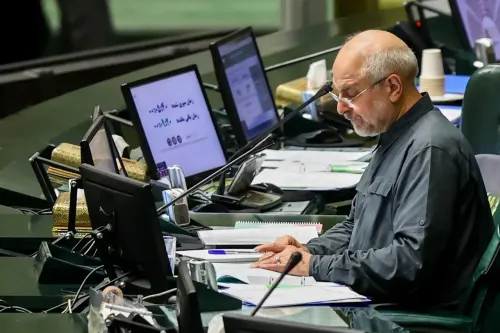
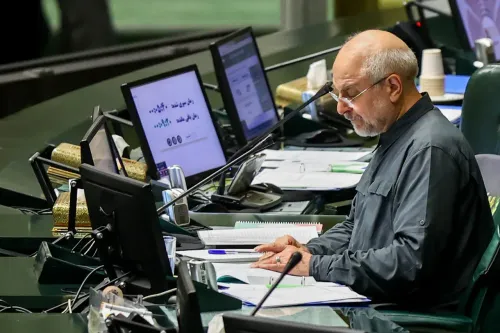
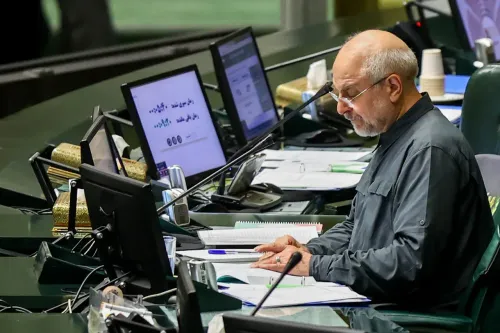
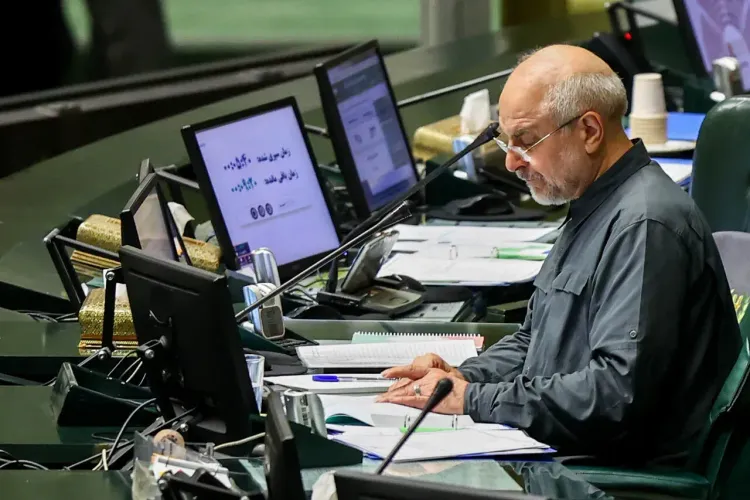
Iran's Parliament Speaker Ghalibaf publicly declared that Tehran wins concessions through missiles, not talks — even as he serves as its top negotiator with Washington. The blunt X post, paired with the Trump administration's claim that pressure has fractured Iran's internal decision-making, reveals two sides narrating the same negotiations in opposite directions.
Key Takeaways
Iranian Parliament Speaker Mohammad Baqer Ghalibaf stated on 29 May that Iran secures concessions 'with missiles,' not through dialogue.
Ghalibaf, Tehran's lead negotiator with Washington , added that Iran will not act before the other side does and that 'the winner of any agreement is the one who is better prepared for war.' US Treasury Secretary Scott Bessent claimed the Trump administration's military and economic pressure has brought Iran to the table on its nuclear programme.
Washington has set three non-negotiable conditions: surrender of highly enriched uranium, abandonment of nuclear weapons pursuit, and free navigation through the Strait of Hormuz .
Bessent alleged that pressure has disrupted communication between Iran's three power centres — the elected government, the IRGC , and the clerics.
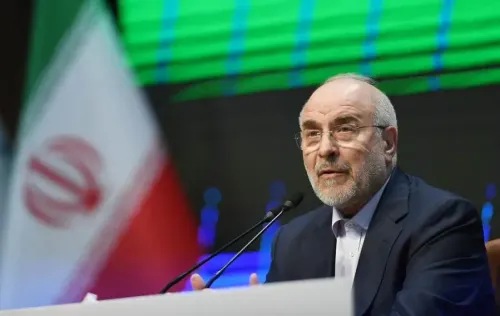
Iranian Parliament Speaker Mohammad Baqer Ghalibaf declared on Friday, 29 May that Iran secures concessions through military force rather than diplomacy, in a pointed statement that laid bare Tehran's posture ahead of ongoing nuclear negotiations with Washington. The remarks, posted directly on X, signal a hardening of Iran's public stance even as back-channel talks continue.
Ghalibaf's Statement in Full
'We obtain concessions not through dialogue, but with missiles; in negotiations, we merely make them understandable,' Ghalibaf wrote on X. He added that Iran places no trust in guarantees or words from the other side — only actions count — and stressed that Tehran will not move first: 'no action will be taken before the other side acts.'
Notably, Ghalibaf also framed the endgame of any agreement in stark terms, stating that 'the winner of any agreement is the one who is better prepared for war from the day after.' The statement underscores that Tehran views negotiation and military readiness as inseparable tracks, not alternatives.
Washington's Counternarrative
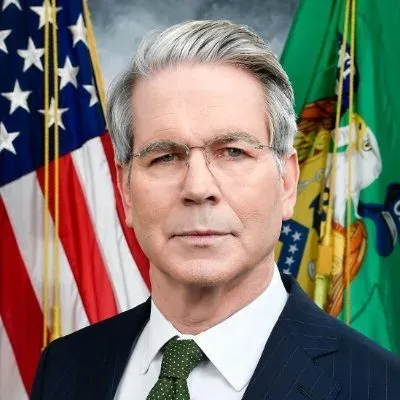
US Treasury Secretary Scott Bessent offered a sharply different reading at a White House news conference, arguing that the Trump administration's campaign of military and economic pressure had succeeded in pulling Iran to the table on its nuclear programme. 'President Trump has done something that no other administration is able to do,' Bessent told reporters, claiming Washington had gotten Tehran to 'talk about their nuclear program and to perhaps commit to not having one.'
Bessent also suggested that the pressure had fractured Iran's internal decision-making, asserting that the three pillars of Iranian governance — the elected government, the Islamic Revolutionary Guard Corps (IRGC), and the clerics — 'are having trouble communicating.'
Three Non-Negotiable US Conditions
The Trump administration has laid down three conditions it describes as non-negotiable for any final deal, according to Bessent. Tehran must surrender its highly enriched uranium, permanently abandon pursuit of a nuclear weapon, and restore free navigation through the Strait of Hormuz. 'He's not going to take a bad deal. He's going to make a great deal for the American people,' Bessent said.
What the Divergence Signals
The simultaneous hardline public statements from both sides — Ghalibaf's missile doctrine and Bessent's pressure-works narrative — reflect a pattern common to high-stakes nuclear diplomacy: domestic audiences are being managed even as negotiators remain at the table. This comes amid reports that the two sides are still in active discussions, making Ghalibaf's remarks a calibrated signal rather than a breakdown. Whether Tehran's insistence on reciprocal action and Washington's non-negotiable conditions can be squared remains the central challenge of the talks.
Point of View
Even as talks with Washington continue. The Trump administration's counter-narrative, that pressure has cracked Iran's internal cohesion, is similarly aimed at a domestic audience. What both framings obscure is that neither side has yet moved on the core sticking points: enrichment levels and sanctions relief sequencing. The real test of these talks will not be in the rhetoric but in whether either side can accept the first verifiable concession — and Ghalibaf's statement suggests Tehran is in no hurry to be first.
NationPress
18 Oct 2026
Frequently Asked Questions
What did Iranian Parliament Speaker Ghalibaf say about Iran's negotiating strategy?
Ghalibaf stated on 29 May that Iran obtains concessions 'with missiles, not through dialogue,' adding that negotiations are merely a way to make those concessions 'understandable.' He also said Iran will not act before the other side does and that the true winner of any deal is the side better prepared for war.
Who is Mohammad Baqer Ghalibaf?
Mohammad Baqer Ghalibaf is the Speaker of the Iranian Parliament and serves as Tehran's top negotiator in the ongoing nuclear talks with the United States. He is a former commander of Iran's Islamic Revolutionary Guard Corps (IRGC) and a former presidential candidate.
What are the US conditions for a nuclear deal with Iran?
The Trump administration has set three non-negotiable conditions, according to Treasury Secretary Scott Bessent: Iran must surrender its highly enriched uranium, permanently abandon pursuit of a nuclear weapon, and restore free navigation through the Strait of Hormuz.
Why does the Trump administration say Iran came to the negotiating table?
Treasury Secretary Bessent argued that a sustained campaign of military and economic pressure by the Trump administration forced Iran into talks, claiming Washington had achieved what previous US administrations could not — getting Tehran to discuss its nuclear programme and potentially commit to not developing a weapon.
What do Ghalibaf's remarks mean for the Iran-US nuclear talks?
The remarks signal that Tehran is managing domestic expectations by projecting strength, even while negotiations continue. Analysts note this is a common pattern in high-stakes nuclear diplomacy, where public hardline statements coexist with active back-channel talks. The divergence between Ghalibaf's posture and Bessent's optimism suggests both sides are still far from a final agreement.