Iran Parliament Speaker warns of 'lesson-teaching' response to any aggression
Synopsis
Iran's Parliament Speaker Qalibaf issued a blunt military warning on X — 'They will be surprised' — as US President Trump declared the Iran-US ceasefire is 'on massive life support.' With Tehran's atomic chief simultaneously ruling out nuclear talks, the fragile April 8 truce faces its most serious test yet.
Key Takeaways
Mohammad Baqer Qalibaf warned on 12 May that Iran's armed forces are ready to deliver a "lesson-teaching" response to any aggression.
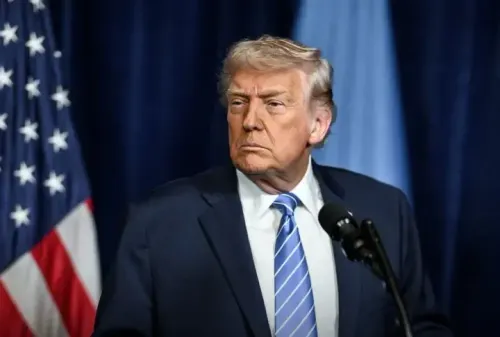
US President Donald Trump declared the Iran-US ceasefire is "on massive life support" after dismissing Iran's Sunday peace response.
Iran's atomic chief Mohammad Eslami stated that nuclear technology and uranium enrichment are "non-negotiable" in talks with the US.
Iran sent its response to the latest US peace proposal to the Pakistani mediator on Sunday, with Pakistan serving as the key intermediary.
The April 8 ceasefire followed 40 days of fighting triggered by US-Israeli joint attacks on Tehran on 28 February .
One round of peace talks in Islamabad on 11–12 April failed to yield an agreement.
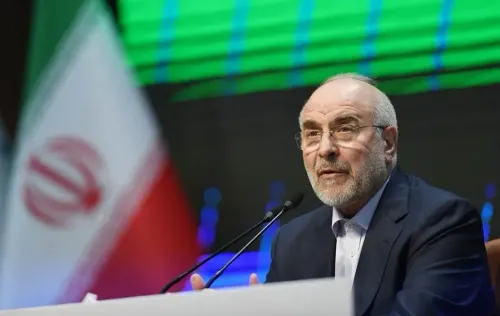
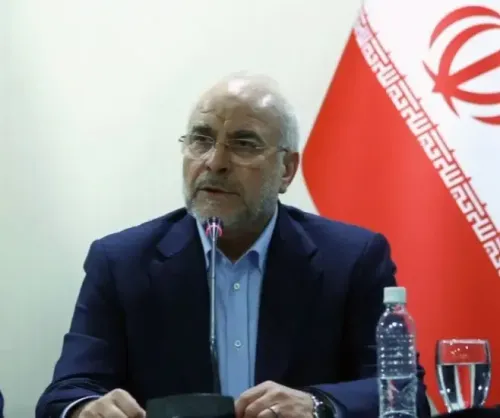
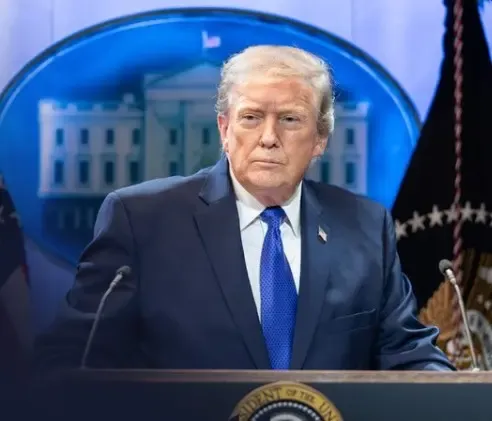
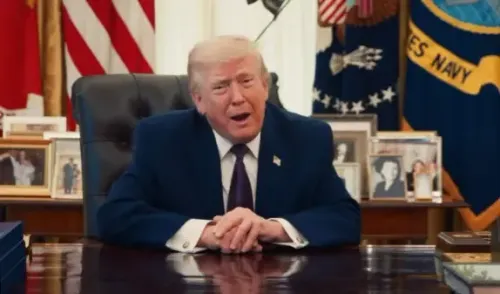
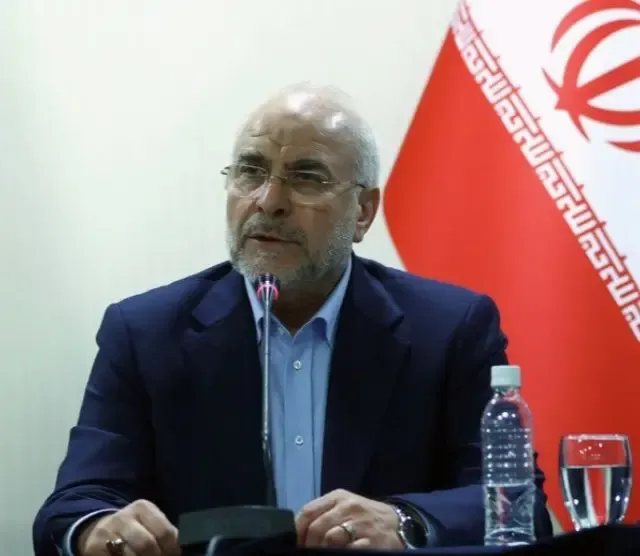
Iran's Parliament Speaker Mohammad Baqer Qalibaf on 12 May warned that the country's armed forces are prepared to deliver a "lesson-teaching" response to any aggression, posting the warning on social media platform X as diplomatic tensions with the United States over a proposed peace framework deepened. The remarks followed US President Donald Trump's dismissal of Iran's Sunday response to a US peace proposal, with Trump warning that the ceasefire between the two countries is "on massive life support."
Qalibaf's Warning
"Our armed forces are ready to give a lesson-teaching response to any aggression," Qalibaf said in his post on X, adding, "We are ready for all options. They will be surprised." The statement is among the sharpest public warnings from a senior Iranian official since the April 8 ceasefire came into effect, signalling that Tehran's patience with the stalled negotiations has limits.
Iran's Peace Proposal and Demands
Iran transmitted its response to the latest US-proposed text for ending the war to the Pakistani mediator on Sunday. At a weekly press conference on Monday, Iranian Foreign Ministry spokesman Esmaeil Baghaei elaborated on Tehran's position, stating that Iran has solely demanded its people's "legitimate" rights. Baghaei listed Iran's core demands: ending the war in West Asia, halting what he described as US "maritime piracy" against Iranian ships through a naval blockade, releasing Iranian assets frozen in foreign banks for years, ensuring safe traffic in the Strait of Hormuz, and establishing peace and security across the region. He argued these were not "excessive demands."
Nuclear Technology Non-Negotiable, Says Atomic Chief
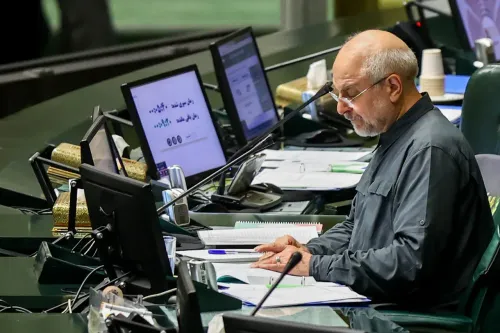
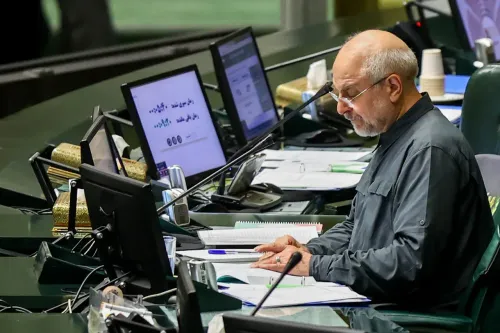
Adding another layer of complexity to the negotiations, Iran's atomic chief Mohammad Eslami, head of Iran's Atomic Energy Organization, declared on Monday that the country's nuclear technology and uranium enrichment are non-negotiable. "The issue of nuclear technology is not on the agenda of the negotiations (with the United States), and enrichment is non-negotiable," Eslami was quoted as saying. The statement effectively forecloses one of the key areas the US has reportedly sought to address in the proposed peace framework.
Background: Ceasefire and Stalled Talks
Iran, the United States, and Israel reached a ceasefire on 8 April after 40 days of fighting that began with US-Israeli joint attacks on Tehran and other Iranian cities on 28 February. Following the truce, Iranian and US delegations held one round of peace talks in Islamabad, Pakistan, on 11 and 12 April, which failed to produce an agreement. Over the subsequent weeks, both sides have reportedly exchanged several proposed plans outlining conditions for ending the conflict, with Pakistan serving as the intermediary. This is the latest in a series of escalatory statements that have punctuated an otherwise fragile diplomatic process.
What Comes Next
With uranium enrichment declared off the table by Tehran and Washington signalling frustration with the pace of talks, the gap between the two sides' positions appears to be widening rather than narrowing. The durability of the April ceasefire and the trajectory of the broader peace process will depend heavily on whether back-channel negotiations through Pakistan can bridge these publicly stated red lines in the days ahead.
Point of View
Leaving the peace framework structurally incomplete. Notably, both statements came on the same day, which reads less like coincidence and more like coordinated messaging. The Pakistan mediation channel remains the only functioning diplomatic thread, and its resilience under this kind of public pressure will determine whether the April ceasefire survives the coming weeks.
NationPress
25 Sept 2026
Frequently Asked Questions
What did Iran's Parliament Speaker Qalibaf say about aggression?
Mohammad Baqer Qalibaf said on 12 May that Iran's armed forces are ready to deliver a 'lesson-teaching' response to any aggression, posting the warning on X. He added, 'We are ready for all options. They will be surprised.'
Why is the Iran-US ceasefire under threat?
US President Donald Trump dismissed Iran's Sunday response to a US peace proposal, warning the ceasefire is 'on massive life support.' Talks held in Islamabad in April failed to produce an agreement, and both sides have since exchanged competing peace proposals through Pakistan without a breakthrough.
What are Iran's core demands in the peace negotiations?
Iranian Foreign Ministry spokesman Esmaeil Baghaei listed Iran's demands as ending the war in West Asia, halting US naval blockade of Iranian ships, releasing frozen Iranian assets in foreign banks, ensuring safe passage through the Strait of Hormuz, and establishing regional peace and security.
Is Iran willing to negotiate on nuclear enrichment?
No. Iran's atomic chief Mohammad Eslami stated on Monday that nuclear technology and uranium enrichment are non-negotiable and not on the agenda of talks with the United States.
When did the Iran-US-Israel ceasefire begin and what triggered the conflict?
The ceasefire took effect on 8 April 2025, ending 40 days of fighting that began with US-Israeli joint attacks on Tehran and other Iranian cities on 28 February. One round of peace talks in Islamabad on 11–12 April failed to yield a formal agreement.