Could Trump's Greenland Tariffs Undermine Transatlantic Relations?
Synopsis
In a stark warning, EU leaders express that US tariffs on Greenland threaten the foundational principles of international law and risk damaging transatlantic ties. This article delves into the implications of these tariff threats, showcasing responses from European leaders and the broader geopolitical landscape.
Key Takeaways
U.S. tariffs on Greenland threaten to disrupt transatlantic relations.
European leaders emphasize the importance of sovereignty and dialogue.
Greenland's status as a self-governing territory adds complexity to the situation.
The escalation of tariffs could lead to a dangerous downward spiral in international relations.
Nordic countries advocate for diplomatic resolutions over economic pressure.
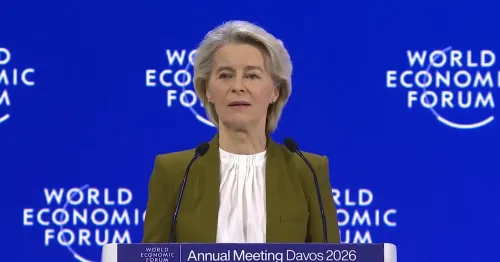
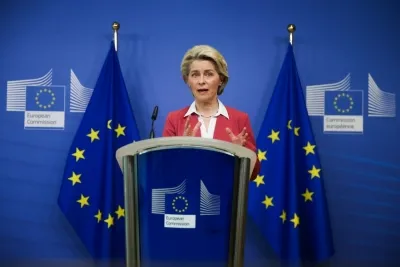
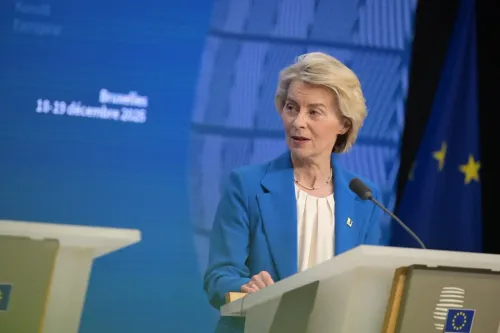
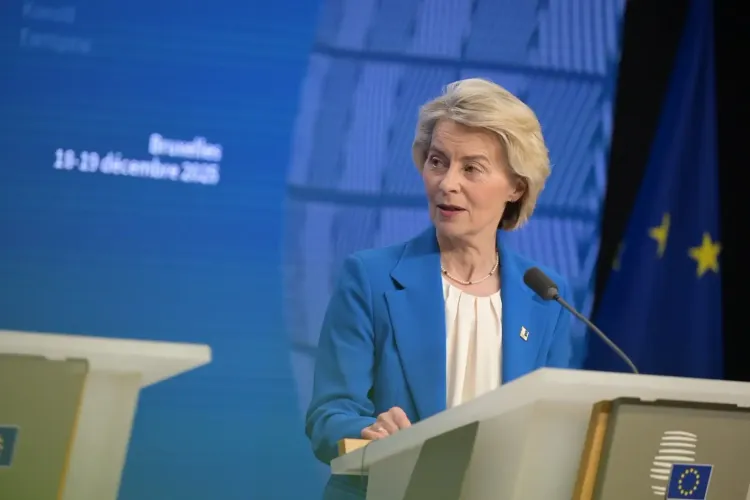
Brussels, Jan 18 (NationPress) Ursula von der Leyen, the President of the European Commission, along with Antonio Costa, the President of the European Council, expressed concerns that the tariff threats from the United States related to Greenland could jeopardize transatlantic relations and initiate a "dangerous downward spiral."
They stated, "These tariffs would compromise transatlantic relations and create a perilous downward trend," in a collaborative statement.
Both leaders emphasized that territorial integrity and sovereignty are core principles of international law, which are vital for both Europe and the global community. They affirmed that Europe would remain "united, coordinated, and steadfast in protecting its sovereignty."
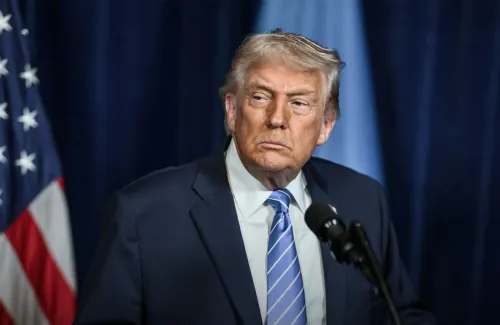
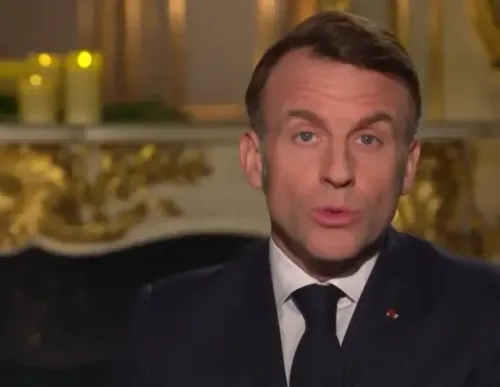
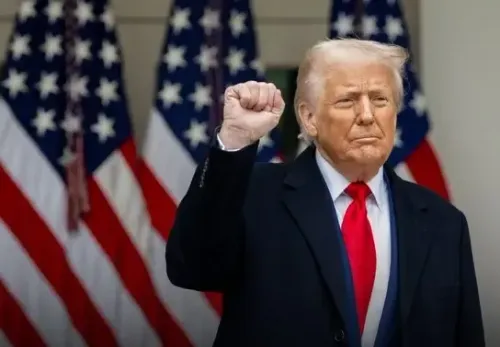
This statement followed President Donald Trump's announcement of a 10% tariff on goods from Denmark, Norway, Sweden, France, Germany, Britain, the Netherlands, and Finland, effective February 1, escalating to 25% by June 1 unless an agreement is reached regarding the acquisition of the territory, as reported by Xinhua.
Nordic leaders swiftly opposed this, asserting that disagreements among allies should be resolved through dialogue rather than coercion.
Danish Foreign Minister Lars Lokke Rasmussen expressed his surprise at the tariff threat, highlighting that Denmark is in close communication with the European Commission, according to Ritzau.
Greenland, the largest island globally, operates as a self-governing territory within the Kingdom of Denmark, with Copenhagen retaining authority over its defense and foreign policy.
The United States has a military installation on the island. Since his return to office in 2025, Trump has consistently shown interest in "acquiring" Greenland.
Point of View
It is crucial to recognize the importance of maintaining strong international relations. The tariff threats from the US, particularly concerning Greenland, highlight the fragile nature of alliances built on mutual respect and dialogue. We must prioritize discussions over coercive measures to safeguard our shared interests and values.
NationPress
5 Oct 2026
Frequently Asked Questions
What are the US's tariff threats regarding Greenland?
The US has announced a 10% tariff on goods from several European countries related to Greenland, which could escalate to 25% unless an agreement for purchasing the territory is reached.
How have European leaders reacted?
European Commission President Ursula von der Leyen and European Council President Antonio Costa have warned that these tariffs could jeopardize transatlantic relations and violate principles of sovereignty.
What is the significance of Greenland in this context?
Greenland is a self-governing territory within the Kingdom of Denmark and is strategically important due to its military base and geopolitical position.
What do Nordic leaders think about the tariffs?
Nordic leaders have expressed that disputes among allies should be resolved through dialogue rather than through threats of tariffs.
What are the potential implications of these tariffs?
The tariffs could strain transatlantic ties and set a precedent for handling international disputes, possibly leading to further economic tensions.