Quad leaders' meeting on Trump Asia trip puts India ties in focus
Synopsis
Trump's Asia trip is shaping up as a carefully sequenced diplomatic play — Quad leaders first, China after. The first leaders-level Quad summit of his administration is designed to signal to Beijing that Washington's Indo-Pacific alliances are intact, while buying negotiating capital before a deliberately low-key APEC encounter with Xi Jinping. The real China talks, experts say, come later — in Miami.
Key Takeaways
Donald Trump is set to hold the first Quad leaders' summit of his administration during his Asia trip , bringing together the US, India, Japan, and Australia.
Former diplomat Edgard Kagan said the absence of a prior leaders' meeting had caused 'disappointment' and coincided with US-India friction .
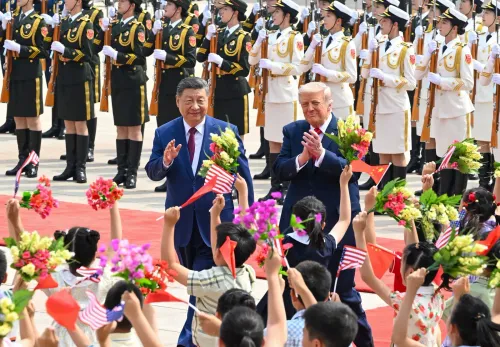
The Quad meeting is sequenced before Trump's engagement with Chinese President Xi Jinping at APEC , a move experts call strategically deliberate.
Victor Cha said the administration is pursuing trade deals in Southeast Asia , including a possible initiative to promote US AI technology in ASEAN nations.
More substantive US-China talks are expected in Miami approximately three weeks after APEC, covering trade, AI safety, and rare earth export commitments.
Gregory Poling cautioned that details of Trump's engagement with ASEAN as an institution remain unclear.
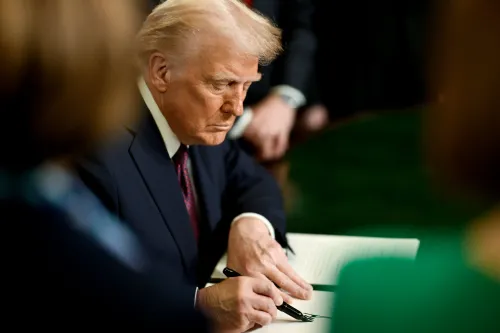
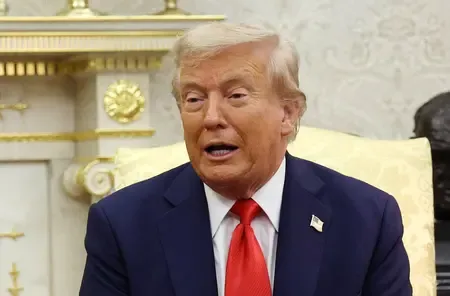
US President Donald Trump's planned summit with Quad leaders during his ongoing Asia trip could significantly deepen ties with India and bolster Washington's diplomatic leverage ahead of a high-stakes encounter with China, according to former diplomats and foreign policy experts speaking on 10 November 2026. The gathering would be the first Quad leaders' meeting under the current Trump administration.
Why This Quad Meeting Matters
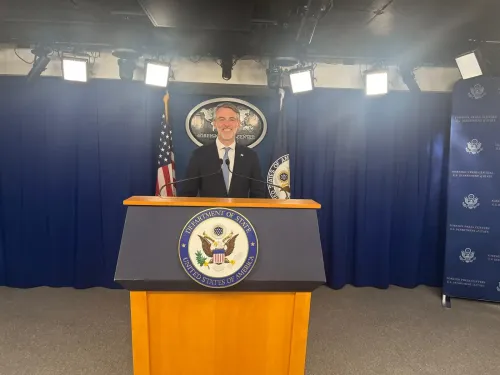
Edgard Kagan, a former US Ambassador to Malaysia and currently the Freeman Chair in China Studies at the Center for Strategic and International Studies (CSIS), told reporters at a news conference that the absence of a leaders-level Quad summit had already caused 'disappointment' and had coincided with a period of friction between Washington and New Delhi. He described the decision to convene one as significant for efforts to restore the bilateral relationship.
The meeting would bring together the leaders of the United States, India, Japan, and Australia — the four democracies that form the Quad. Kagan noted that multiple Quad meetings at the foreign minister level had already taken place, including one in Atlanta, but that a leaders' summit had been conspicuously absent until now.
Strategic Signal to Beijing
Kagan argued that convening the Quad before Trump travels to China sends a deliberate message to Chinese President Xi Jinping about Washington's deep ties with major regional partners. 'Engagement with allies and partners before a presidential visit to China strengthens the US position,' he said, characterising the sequence as strategically intentional rather than incidental.
This comes amid broader geopolitical maneuvering tied to Trump's wider Asia itinerary, which includes engagements at the Association of Southeast Asian Nations (ASEAN) and the Asia-Pacific Economic Cooperation (APEC) forum.
Southeast Asia: Trade and AI on the Agenda
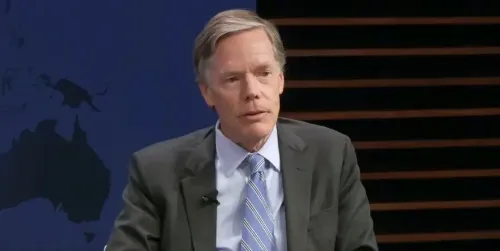
Victor Cha, President of the CSIS Geopolitics and Foreign Policy Department and Korea Chair, said the administration was actively seeking trade agreements during the Southeast Asian leg of the trip. One mooted initiative, according to Cha, would encourage ASEAN countries to adopt US artificial intelligence technology, with development assistance offered as an incentive. Cha stressed, however, that he did not know whether Southeast Asian governments had accepted the proposal.
Gregory Poling, Director of the CSIS Southeast Asia Program, cautioned that the precise contours of Trump's engagement with ASEAN as an institution remained unclear. Experts noted that commercial deals were expected to feature prominently throughout the trip.
China Talks: Limited Expectations at APEC, More in Miami
On the China portion of the trip, Kagan said White House signals indicated that Trump's contact with Xi at APEC would amount to a 'courtesy call' rather than substantive negotiations. Cha echoed that the administration had deliberately sought to lower expectations for the APEC encounter.
More substantive discussions are expected at a follow-up meeting in Miami, roughly three weeks later, Cha said. Possible agenda items include trade arrangements, an artificial intelligence safety dialogue, and US concerns about China's implementation of commitments on rare earth exports. Kagan pointed out that economic friction persisted despite an existing trade truce, with both the US and allies — particularly Japan — raising concerns about rare earth supply reliability. 'China needs to follow through on its commitments,' Kagan said.
India's Centrality in Washington's Indo-Pacific Strategy
Notably, the emphasis on the Quad summit underscores India's growing centrality to Washington's Indo-Pacific strategy at a moment when US-India relations have reportedly experienced turbulence. Analysts observe that a leaders-level Quad meeting, combined with the sequencing before the China trip, is a calibrated reassertion of the alliance architecture that underpins Washington's regional posture. How New Delhi responds — and what bilateral deliverables emerge — will be closely watched across Asian capitals.
Point of View
Something Beijing will not have missed. The more revealing test comes in Miami: if the 'courtesy call' at APEC yields to genuinely substantive US-China talks three weeks later, the Quad summit risks looking like a curtain-raiser rather than a cornerstone. India, meanwhile, will be watching whether the summit produces concrete deliverables or remains a photo-opportunity dressed as geopolitics.
NationPress
10 Nov 2026
Frequently Asked Questions
What is the Quad and who are its members?
The Quad, or Quadrilateral Security Dialogue, is a strategic grouping comprising the United States , India , Japan , and Australia . It focuses on a free, open, and stable Indo-Pacific region, covering areas from maritime security to technology and supply chains.
Why is Trump's Quad leaders' meeting significant?
It will be the first Quad leaders' summit of the current Trump administration, following a period in which only foreign-minister-level Quad meetings had taken place. Former diplomat Edgard Kagan said the gap had caused disappointment and coincided with friction between Washington and New Delhi, making this meeting an important signal for restoring the relationship.
What are the expected outcomes of Trump's talks with China at APEC?
Experts say the APEC encounter between Trump and Xi Jinping is expected to be largely a courtesy call, with the White House having lowered expectations. More substantive discussions on trade, AI safety, and rare earth export commitments are anticipated at a follow-up meeting in Miami approximately three weeks later.
What trade and technology initiatives is the US pursuing in Southeast Asia?
According to Victor Cha of CSIS, the Trump administration is seeking trade agreements during the Southeast Asian leg of the trip. One proposal would encourage ASEAN nations to adopt US artificial intelligence technology in exchange for development assistance, though Cha noted it was unclear whether Southeast Asian governments had accepted the offer.
How does the Quad summit affect US-India relations?
The summit is seen as a corrective step after a period of reported friction between Washington and New Delhi. By elevating the Quad to a leaders' level and scheduling it before the China visit, the US is signalling that India remains a central partner in its Indo-Pacific strategy, according to analysts at CSIS.