Rubio to meet Quad partners including India as Xi's US visit nears
Synopsis
Rubio's Southeast Asia trip is doing double duty: reaffirming Quad solidarity with India, Japan, and Australia while keeping a diplomatic back-channel to Beijing open ahead of Xi Jinping's expected September visit to the US. A potential Rubio-Wang Yi sideline meeting at ASEAN could quietly shape the terms of that high-stakes summit.
Key Takeaways
US Secretary of State Marco Rubio will meet India and other Quad partners — Australia and Japan — during his upcoming Southeast Asia visit.
The ASEAN Summit is the primary focus; Rubio also confirmed a trilateral meeting with South Korea and Japan .
Rubio left open the possibility of meeting Chinese Foreign Minister Wang Yi on the sidelines of the ASEAN gathering.
Chinese President Xi Jinping's visit to the United States remains on track for September , with Chinese preparatory teams already engaged.
It will be Rubio's first visit to the Philippines as Secretary of State; he is expected to meet the Philippine President .
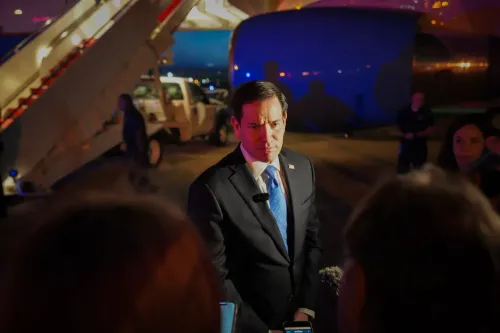
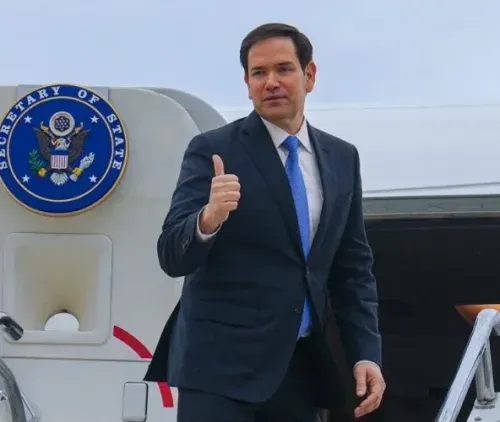
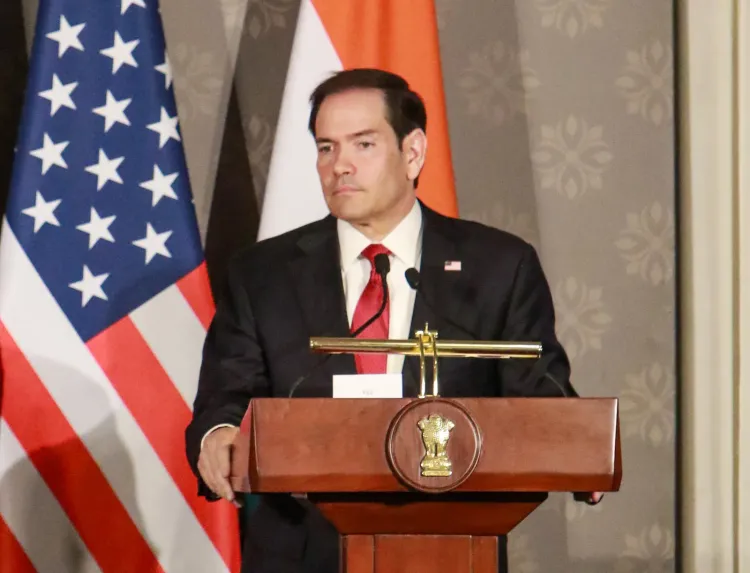
US Secretary of State Marco Rubio is set to hold bilateral and multilateral meetings with India and other Quad partners during an upcoming Southeast Asia visit, even as Washington and Beijing finalise preparations for an anticipated visit by Chinese President Xi Jinping to the United States in September. Rubio made the announcement to reporters at Joint Base Andrews on 20 July, framing the trip as a reaffirmation of American engagement with the Indo-Pacific.
ASEAN Summit as the Primary Stage
Rubio confirmed that the ASEAN Summit would be the centrepiece of his regional tour. 'This summit, ASEAN, is our primary way of engaging the region. We're committed to it,' he said. Beyond the multilateral forum, he indicated the trip would yield a series of bilateral and regional engagements across the diplomatic calendar.
Quad Meeting and Key Bilateral Talks
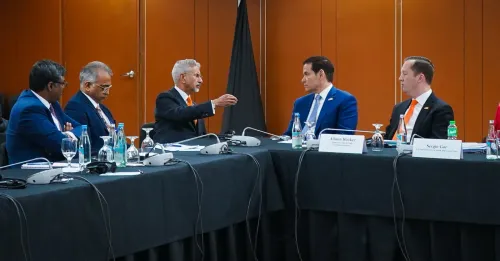
On the sidelines of the ASEAN gathering, Rubio confirmed a Quad meeting involving India, Australia, Japan, and the United States. 'We'll also have meetings with the Quad of India, Australia, Japan, and ourselves,' he said. He also confirmed a trilateral meeting with South Korea and Japan, and indicated he could meet Vietnam's foreign minister along with officials from several other nations. The trip will mark Rubio's first visit to the Philippines as Secretary of State, where he is expected to meet the Philippine President.
The China Question: Wang Yi and Xi's September Visit
Rubio left open the possibility of meeting Chinese Foreign Minister Wang Yi on the sidelines of the ASEAN summit. 'I'm not sure we've finalised that, but we'd be open to meeting with him, sure,' he said. When asked whether he would raise President Donald Trump's claims about Chinese interference in the 2020 US Presidential election, Rubio declined to preview any agenda. 'I would never tell you guys in a press conference what we would raise in meetings like that. Those are delicate matters,' he said.
On the anticipated Xi Jinping visit, Rubio expressed confidence that it remained on schedule. 'We anticipate that the trip is happening in September,' he said. 'They've continued to send over their teams to prepare for it, and I've heard nothing otherwise. I have no reason to believe that they won't be coming.'
US-China Relations: Dialogue Despite Disagreements
Rubio acknowledged that persistent tensions between Washington and Beijing would not disappear, but argued that major powers had an obligation to maintain communication. 'When you have two big, powerful countries like the United States and China, there are always going to be irritants, there are always going to be things we don't agree on,' he said. 'But I think it's incumbent on powerful and important countries like ours to continue to talk and have a relationship.' He added: 'We owe it to each other and for our people and to the world.'
What the Quad Represents
The Quadrilateral Security Dialogue (Quad), comprising India, the United States, Japan, and Australia, was first convened in 2007 and revived in 2017. Its cooperation agenda spans maritime security, critical technologies, infrastructure, health, and disaster relief — areas increasingly central to Indo-Pacific strategic competition. Both India and the United States also participate in ASEAN-led forums such as the East Asia Summit and the ASEAN Regional Forum, underscoring the overlapping diplomatic architecture within which Rubio's visit will operate.
With Xi's US visit looming in September, the outcome of Rubio's Southeast Asia engagements — particularly any sideline conversation with Wang Yi — could set the diplomatic tone for one of the year's most consequential summits.
Point of View
While the door left open for a Wang Yi conversation signals that Washington is not willing to let diplomacy lapse ahead of Xi's September visit. The timing is deliberate — any Rubio-Wang Yi exchange at ASEAN could quietly pre-negotiate the agenda for what would be a defining Trump-Xi summit. For India, the Quad sideline is less about new deliverables and more about visibility: being seen at the table as US-China dynamics shift is itself a strategic signal. What remains unresolved is whether the Quad's institutional depth can keep pace with the speed of bilateral US-China dealmaking that increasingly sets the Indo-Pacific's terms.
NationPress
20 Oct 2026
Frequently Asked Questions
Why is Marco Rubio visiting Southeast Asia?
Rubio is travelling to Southeast Asia primarily to attend the ASEAN Summit, which he described as the US's 'primary way of engaging the region.' The visit will also include Quad talks with India, Australia, and Japan, a trilateral meeting with South Korea and Japan, and a first visit to the Philippines as Secretary of State.
Will Rubio meet India during the ASEAN visit?
Yes. Rubio confirmed a Quad meeting on the sidelines of the ASEAN Summit, which will include India, Australia, Japan, and the United States. The Quad covers maritime security, critical technologies, infrastructure, health, and disaster relief cooperation.
Is Xi Jinping's visit to the United States still happening?
According to Rubio, Xi Jinping's visit to the United States remains on track for September 2025. He said Chinese preparatory teams have continued their work and he had 'no reason to believe that they won't be coming.'
Could Rubio meet Chinese Foreign Minister Wang Yi at ASEAN?
Rubio indicated the meeting had not been finalised but said Washington would be open to it. 'I'm not sure we've finalised that, but we'd be open to meeting with him, sure,' he said, declining to preview what topics might be raised.
What is the Quad and why does it matter?
The Quadrilateral Security Dialogue (Quad) brings together India, the United States, Japan, and Australia. First convened in 2007 and revived in 2017, it focuses on maritime security, critical technologies, infrastructure, health, and disaster relief — making it a central pillar of Indo-Pacific strategic cooperation.