Quad leaders' summit before year-end, confirms US Secretary Rubio
Synopsis
Rubio's quiet confirmation lands big: a Quad leaders' summit before year-end, almost certainly in India, signals Washington is doubling down on the Indo-Pacific even as it juggles wars elsewhere. The pitch — rare-earth coalitions, a 14-nation 'Pax Silica' for AI supply chains, and renewed Pacific Island engagement — is unmistakably a China-containment architecture, with New Delhi at its centre.
Key Takeaways
US Secretary of State Marco Rubio confirmed a Quad leaders' summit before end of 2025 .
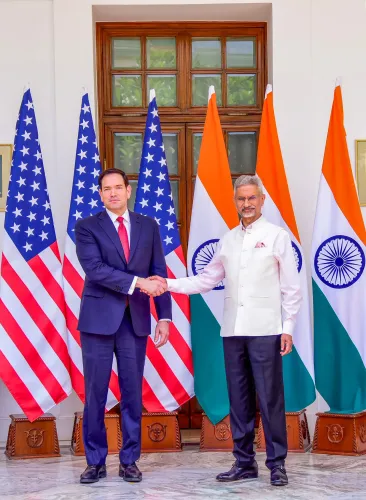
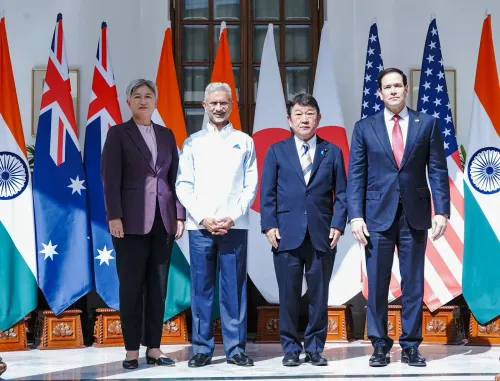
Quad foreign ministers met in India last week, with a follow-up scheduled later this year.
Washington recently convened a rare-earth ministerial with 30+ countries to reduce dependence on China .
A new 14-nation 'Pax Silica' initiative aims to secure AI-critical supply chains.
Rubio said Pacific Island nations received more US attention now than in the last 10 years combined .
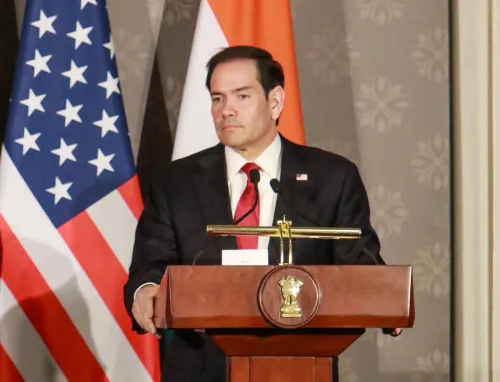
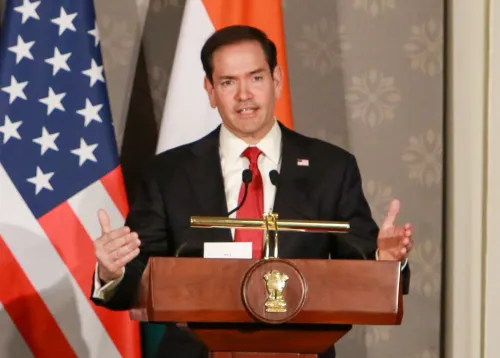
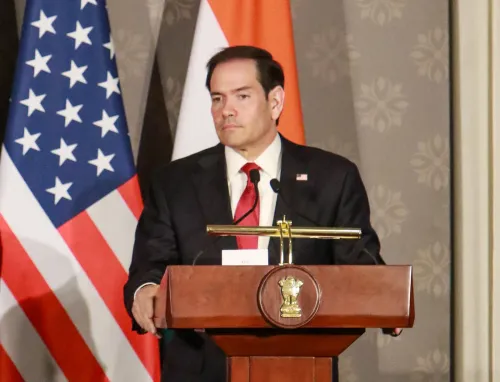
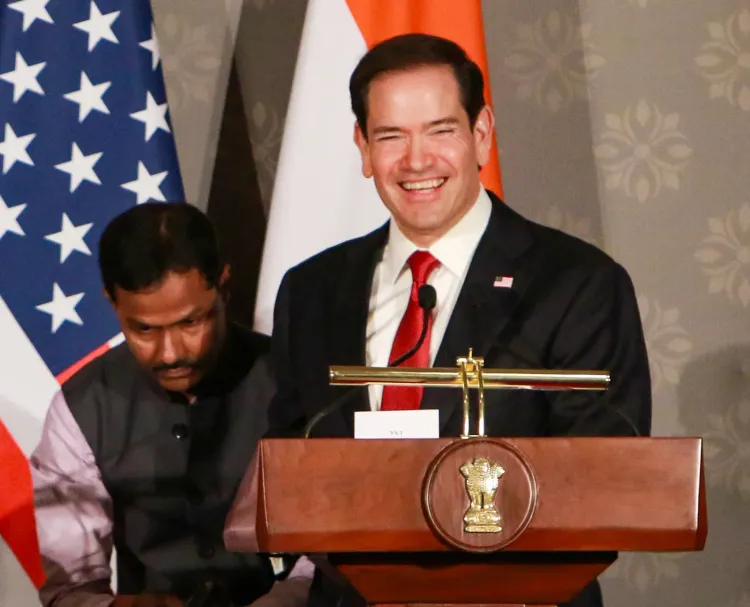
US Secretary of State Marco Rubio on Wednesday confirmed that leaders of the Quad — the United States, India, Japan, and Australia — are expected to convene before the end of 2025, reaffirming Washington's deepening commitment to the Indo-Pacific. The disclosure came during his testimony before the House Foreign Affairs Committee on the State Department's Fiscal Year 2027 budget request.
What Rubio told lawmakers
Describing the Quad as a key pillar of the administration's regional strategy, Rubio pointed to a flurry of recent diplomatic engagement among the four nations. ‘The Quad, an important alliance in the Indo-Pacific between India, Japan, Australia, we've had multiple meetings of that group, including a meeting just last week in India and a follow-up that's going to occur later this year, including a leaders meeting before the end of the year,' Rubio told the committee.
Why it matters for New Delhi
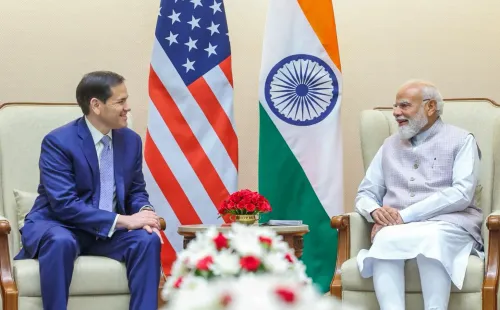
The remarks are likely to be closely tracked in New Delhi, where the Quad has evolved into a central framework for cooperation on security, emerging technology, supply chains, and regional stability. India is widely expected to host the leaders' summit, having assumed the rotating chair, although neither capital has formally announced the date or venue.
The China factor
Rubio repeatedly tied the administration's Indo-Pacific posture to a broader push to cut dependence on China in critical sectors. He flagged a recent rare-earth ministerial convened by Washington that drew more than 30 countries. ‘We held a rare earths ministerial that was attended by over 30-some-odd countries from around the world, all who were signing up for an American-led effort to ensure that critical supplies of rare earth minerals around the world are available for our emerging economies, and we don't remain overly dependent on China,' he said.
Pax Silica and AI supply chains
The Secretary also spotlighted a new 14-nation grouping called ‘Pax Silica', designed to safeguard supply chains critical to artificial intelligence. ‘These are 14 countries that are cooperating with one another to protect the supply chains critical to AI and AI development in the future,' Rubio said. Separately, he claimed Pacific Island nations facing growing Chinese pressure had received ‘more attention from this administration than they received in the last 10 years combined'.
What's next
With the Quad foreign ministers having met in India last week, attention now shifts to the leaders' summit calendar and the substantive deliverables — particularly on critical minerals, semiconductors, and maritime security — that India is expected to push as host.
Point of View
The Indo-Pacific remains the Trump administration's primary theatre, and India remains its indispensable partner. The framing — rare earths, AI supply chains, Pacific Islands — reads like a containment grid built around China, but the gap between ministerials and deliverables is where past Quad iterations have stumbled. For New Delhi, hosting the summit is an opportunity to convert symbolism into specifics on critical minerals and semiconductors. The harder question is whether 'Pax Silica' and its cousins survive shifting US tariff politics that have, at times, strained the very partners Washington now needs.
NationPress
20 Oct 2026
Frequently Asked Questions
When will the next Quad leaders' summit be held?
According to US Secretary of State Marco Rubio, the Quad leaders' summit involving the United States, India, Japan, and Australia will take place before the end of 2025. The exact date and venue have not yet been formally announced.
What is the 'Pax Silica' initiative mentioned by Rubio?
Pax Silica is a new 14-nation grouping coordinating to secure supply chains critical to artificial intelligence development. Rubio described it as a cooperative framework aimed at reducing strategic vulnerabilities in AI inputs.
Why is the Quad important for India?
The Quad has become a key platform for India to coordinate with the US, Japan, and Australia on Indo-Pacific security, critical technologies, supply-chain resilience, and maritime stability. It also offers New Delhi strategic balance against China's regional assertiveness.
What did Rubio say about countering China?
Rubio linked Washington's Indo-Pacific strategy directly to reducing dependence on China in critical sectors. He cited a recent rare-earth ministerial with more than 30 countries and enhanced US engagement with Pacific Island nations as part of that effort.
Did the Quad foreign ministers meet recently?
Yes. Rubio confirmed that the Quad foreign ministers met in India last week, with a follow-up engagement planned later this year ahead of the leaders' summit.