Quad's Indo-Pacific role hinges on India-US ties, report finds
Synopsis
Despite recurring doubts about its future, the Quad is holding — but its long-term strength depends on one relationship above all others: India and the US. A Modern Diplomacy report, timed to Marco Rubio's New Delhi visit, argues that trade friction, visa disputes, and Washington's overtures to Pakistan are the real fault lines the grouping must manage.
Key Takeaways
A Modern Diplomacy report concludes that the Quad is likely to remain central to Indo-Pacific regional strategy, with India as a key partner.
US Secretary of State Marco Rubio called India 'one of the most important strategic partners' for the US during his New Delhi visit.
The report identifies India-US bilateral tensions — including trade disputes, visa concerns, and US engagement with Pakistan and Bangladesh — as the Quad's primary internal challenge.
Stabilisation efforts include India's invitation to the US for the AI Impact Summit in February 2026 and Washington including India in the Pax Silica initiative.
China's assertive regional posture continues to be a key driver of the Quad's strategic relevance, the report notes.
The Quad is likely to remain central to Indo-Pacific regional strategy, with India positioned as a key partner, according to a report published by Modern Diplomacy on 14 June 2025. The assessment comes amid persistent speculation about the grouping's long-term trajectory, following the postponement of a leaders' summit and shifting geopolitical priorities in Washington.
Ministerial Meeting Signals Continued Relevance
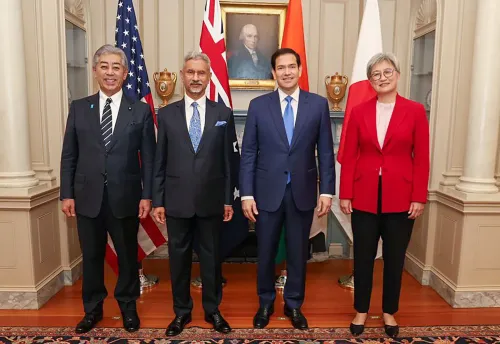
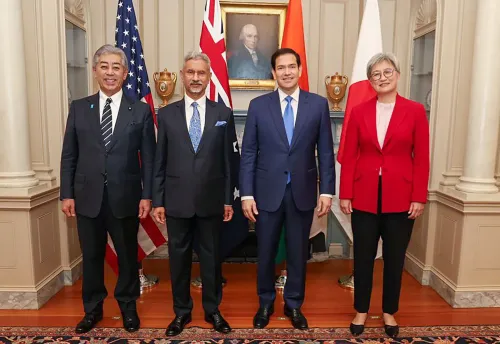
The recent Quad Foreign Ministers' meeting in New Delhi served as a visible reaffirmation of the grouping's strategic importance. Foreign ministers of Japan and Australia underscored their strong bilateral partnerships with India and expressed support for the Quad's role in shaping the regional security architecture.
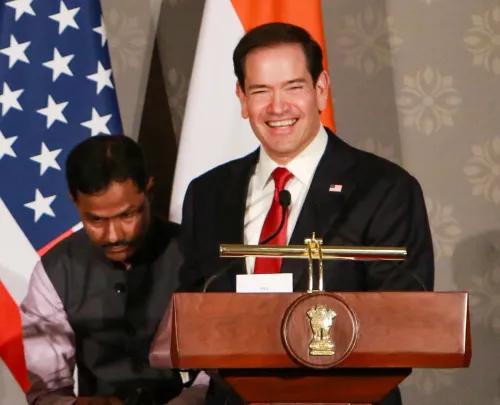
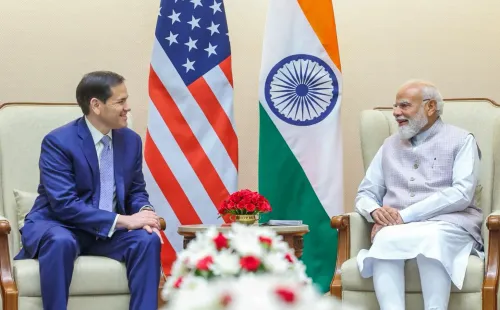
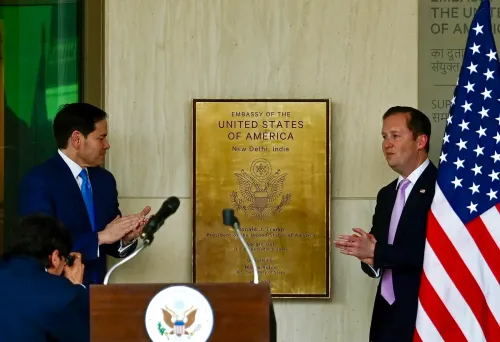
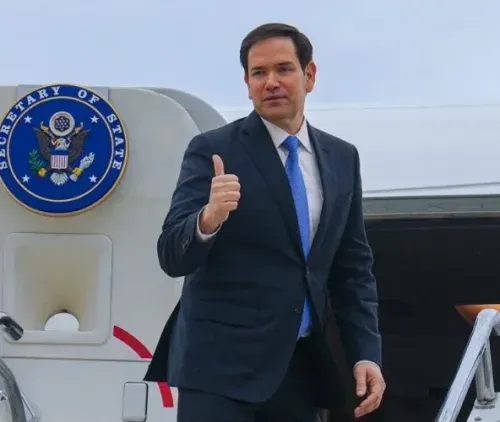
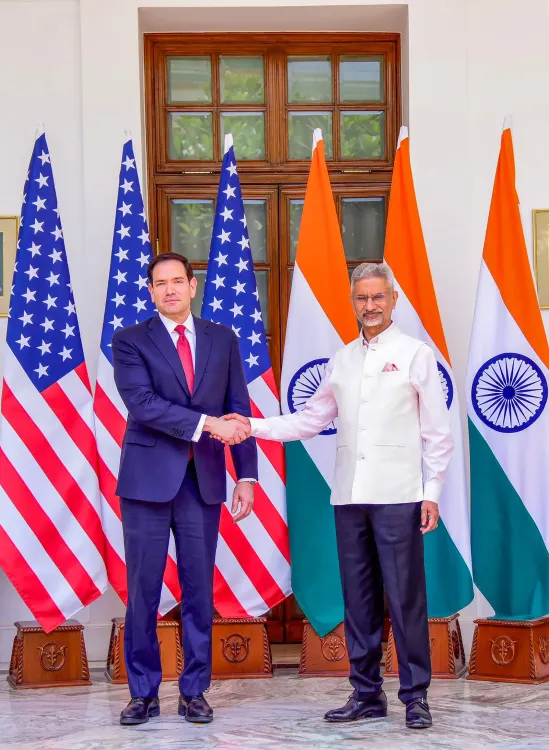
The visit of US Secretary of State Marco Rubio to New Delhi emerged as a particularly significant development. Rubio repeatedly stressed the importance of India-US relations, signalling Washington's sustained commitment to engagement with New Delhi and the broader Indo-Pacific. At a joint press briefing with External Affairs Minister S. Jaishankar, Rubio described India as 'one of the most important strategic partners' for the United States globally, citing alignment on critical minerals, supply chains, and counter-terrorism.
The Core Challenge: India-US Bilateral Tensions
The Modern Diplomacy report argues that the Quad's greatest internal challenge lies not in the trilateral relationship among India, Australia, and Japan, but in the complexities surrounding India-US ties. Trade disputes, visa-related concerns, growing US engagement with Pakistan, Bangladesh, and Nepal, and broader political differences have introduced uncertainty into the bilateral relationship over the past year.
Speculation about the Quad's possible weakening had also been fuelled by President Donald Trump's perceived lack of enthusiasm for the grouping and a comparatively conciliatory posture toward China. The ministerial-level meeting, however, is seen as evidence that the United States remains invested in the region and continues to view the Quad as a key strategic platform.
Stabilisation Efforts and Shared Interests
Both countries have taken steps to steady the relationship. India extended an invitation to the United States to participate in the AI Impact Summit in February 2026. Ongoing trade negotiations continue, and Washington's decision to include India in the Pax Silica initiative — focused on critical mineral supply chains — reflects the depth of shared strategic interests.
The report notes that the relationship is grounded in shared democratic values, freedom of expression, multiculturalism, and a commitment to a rules-based international order. 'The US needs India as much as India needs the US,' the report states, framing the partnership as mutually indispensable rather than asymmetric.
China's Shadow and the Quad's Strategic Logic
China's growing regional influence and assertive posture continue to be primary drivers of the Quad's strategic relevance, according to the report. It argues that the original motivations behind the grouping remain valid and that Washington will continue to require multilateral platforms such as the Quad to maintain regional stability and safeguard its influence in the Indo-Pacific.
While Australia, India, and Japan have demonstrated the capacity to sustain the Quad independently, the report concludes that 'strong US involvement in the Indo-Pacific security mechanism will remain a cornerstone of the Indo-Pacific architecture.' Closer strategic coordination among Quad members — particularly between Washington and New Delhi — will be essential for preserving regional balance and the bloc's long-term cohesion.
Point of View
Not the trilateral with Japan and Australia — is more candid than most official commentary allows. Washington's simultaneous courtship of Islamabad, Dhaka, and Kathmandu creates real strategic noise for New Delhi, and no amount of ministerial-level optics fully resolves that tension. Rubio's visit was reassuring, but the Quad's credibility ultimately rests on whether the US can align its South Asia hedging with its Indo-Pacific commitments — two impulses that have historically pulled in opposite directions. Until that contradiction is addressed structurally, the grouping will remain resilient on paper and fragile in practice.
NationPress
14 Sept 2026
Frequently Asked Questions
What is the Quad and why is its future being questioned?
The Quad is a strategic grouping comprising India, the United States, Australia, and Japan, focused on maintaining a free and open Indo-Pacific. Questions about its future have arisen following the postponement of a leaders' summit and concerns about US President Donald Trump's perceived lack of enthusiasm for the grouping, alongside a more conciliatory US stance toward China.
What did US Secretary of State Marco Rubio say during his New Delhi visit?
Rubio described India as 'one of the most important strategic partners' for the United States globally. At a joint press briefing with External Affairs Minister Jaishankar, he cited alignment between the two countries on critical minerals, supply chains, and counter-terrorism, and stressed the importance of the India-US relationship to the broader Indo-Pacific strategy.
What does the Modern Diplomacy report identify as the Quad's biggest challenge?
The report argues that the Quad's greatest challenge is not the relationship among India, Australia, and Japan, but the complexities within India-US ties. It points to trade disputes, visa-related concerns, growing US engagement with Pakistan, Bangladesh, and Nepal, and political differences as sources of bilateral uncertainty.
How are India and the US working to stabilise their relationship?
Stabilisation efforts include India's invitation to the US to participate in the AI Impact Summit in February 2026, ongoing bilateral trade negotiations, and Washington's decision to include India in the Pax Silica initiative on critical mineral supply chains.
Why does China's role matter for the Quad's relevance?
China's growing regional influence and assertive posture in the Indo-Pacific remain primary drivers of the Quad's strategic rationale, according to the report. It argues that the original motivations for forming the grouping remain valid and that Washington will continue to need multilateral platforms like the Quad to maintain regional stability and counterbalance Beijing's influence.