Tulip Siddiq considers suing Muhammad Yunus over 'malicious prosecution'
Synopsis
British Labour MP Tulip Siddiq — niece of exiled Bangladesh PM Sheikh Hasina — says she has grounds to sue former interim chief Muhammad Yunus over what she calls a 'malicious prosecution' that led to her UK ministerial resignation. A Nobel laureate is now potentially facing a lawsuit in a British court, in one of the most politically charged cross-border legal battles of 2026.
Key Takeaways
Tulip Siddiq , British Labour MP and niece of Sheikh Hasina , is considering suing Muhammad Yunus over alleged malicious prosecution.
She was convicted in absentia in Bangladesh and sentenced to two years' imprisonment within eight months of an arrest warrant issued in April 2025 .
The corruption allegations by the Bangladesh interim administration led to her resignation as a UK Treasury minister .
Siddiq reportedly sent a handwritten letter to Yunus at The Dorchester in London ; he declined to meet her.
She says she received personal support from then British PM Keir Starmer , who messaged her while meeting President Trump in the US.
Yunus declined to comment when approached through two close associates, according to The Guardian .
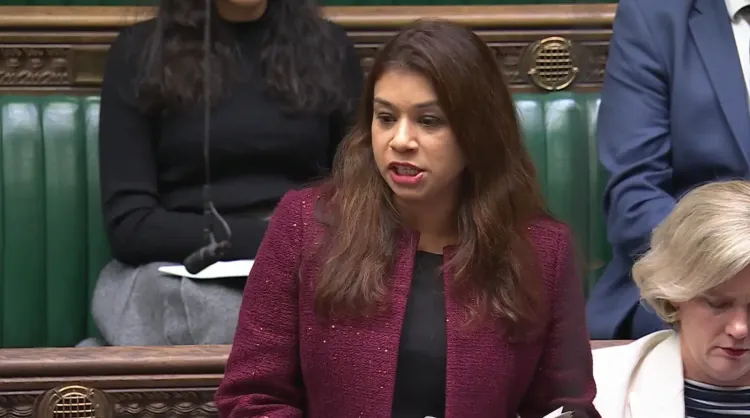
British Labour MP and former Treasury minister Tulip Siddiq has said she is considering legal action against Muhammad Yunus, the Nobel Peace Prize-winning economist who led Bangladesh's interim government from 2024 to 2026, over corruption allegations that forced her resignation from office last year. Siddiq made the disclosure in an appearance on the podcast 'Politics Unleashed', as reported by The Guardian on Thursday, 19 November 2026.
The 'Malicious Prosecution' Claim
Siddiq described the proceedings against her as a case of 'malicious prosecution', saying she had consulted a lawyer who told her she had grounds to sue Yunus. 'It was essentially malicious prosecution,' she said on the podcast, adding that she was 'considering' legal action and was actively exploring options with legal counsel. Yunus, when approached for a response through two close associates, declined to comment, according to the newspaper.
Background: Arrest Warrant, Trial and Conviction
Siddiq is a niece of former Bangladesh Prime Minister Sheikh Hasina, who was ousted in August 2024 protests and has since been living in exile in India. The Bangladesh interim administration, accusing Siddiq of having benefited from her aunt's regime, issued an arrest warrant against her in April 2025. Within less than eight months, she was convicted in absentia and sentenced to two years' imprisonment and a fine. Hasina herself was served a death sentence in absentia over alleged crimes against humanity during the same period.
Siddiq had earlier called the charges 'completely absurd' in an interview with The Guardian, describing herself as 'collateral damage' in a long-running feud between her aunt and Yunus. She also claimed she had repeatedly written to the Bangladesh government seeking details of the specific accusations, but received no replies from her lawyers' correspondence.
Attempts to Reach Yunus Directly
Siddiq reportedly sent a handwritten letter to Yunus while he was staying at The Dorchester in London, but said he declined to meet her. 'He refused to meet with me. I tried repeatedly to see him face to face,' she said, insisting she had not been unduly stressed by the accusations because she was confident of her innocence. 'I was more baffled by the whole thing than anything else,' she said, according to the podcast report.
Starmer's Support and the Trump Connection
Siddiq also reportedly disclosed that she received personal support from Britain's then Prime Minister Keir Starmer during the controversy. She said Starmer sent her a message while he was in the United States with President Donald Trump, at a time she had received a security threat. 'It kind of matched with the timing of when he was just about to see Trump,' she apparently said on the podcast.
Family History and Context
The Siddiq family's ties to Bangladesh's political history run deep. Her mother, Sheikh Rehana, and aunt Sheikh Hasina both survived the 15 August 1975 massacre of their family in Dhaka, which included the assassination of their father, Sheikh Mujibur Rahman — widely regarded as the chief architect of Bangladesh's liberation. The proceedings against Siddiq are widely seen as an extension of the broader political reckoning that followed Hasina's fall from power. How the potential lawsuit against a former head of government proceeds — across international jurisdictions — will be closely watched.
Point of View
And the story is bigger than a family feud. Siddiq's case raises a pointed question: did Bangladesh's interim administration use its prosecutorial machinery as a political instrument against opponents' overseas relatives? The refusal by Yunus's office to respond to her correspondence or meet her in London — where he was physically present — does not look like the behaviour of a government confident in the strength of its case. For the UK, this is also a governance question: an elected MP was effectively driven from office by a foreign government's allegations, and the adequacy of Westminster's response to that pressure deserves scrutiny.
NationPress
19 Nov 2026
Frequently Asked Questions
Why is Tulip Siddiq considering suing Muhammad Yunus?
Tulip Siddiq says she was the victim of a 'malicious prosecution' by Bangladesh's interim government under Muhammad Yunus, which issued an arrest warrant against her in April 2025 and convicted her in absentia, leading to her resignation as a UK Treasury minister. She says a lawyer has advised her she has a viable case to sue Yunus.
What was Tulip Siddiq convicted of in Bangladesh?
Bangladesh's interim administration alleged she had benefited from the regime of her aunt, former Prime Minister Sheikh Hasina. She was convicted in absentia and sentenced to two years' imprisonment and a fine within eight months of an arrest warrant being issued in April 2025. Siddiq has consistently denied all charges, calling them 'completely absurd'.
Who is Tulip Siddiq and what is her connection to Sheikh Hasina?
Tulip Siddiq is a British Labour Member of Parliament and former Treasury minister. She is the niece of Sheikh Hasina, the former Prime Minister of Bangladesh who was ousted in August 2024 protests and has since lived in exile in India. Siddiq's mother, Sheikh Rehana, is Hasina's sister.
Did Muhammad Yunus respond to Tulip Siddiq's attempts to meet him?
According to reports, Yunus declined to meet Siddiq despite her sending a handwritten letter to him at The Dorchester in London, and repeatedly attempting to see him in person. Yunus also declined to comment when The Guardian approached him through two close associates.
What support did Tulip Siddiq receive from British political figures?
Siddiq reportedly received personal support from then British Prime Minister Keir Starmer, who sent her a message while he was in the United States with President Donald Trump, at a time she had received a security threat. She noted the timing coincided with Starmer's meeting with Trump.