Is the Yunus Government Committing Unspeakable Atrocities Against Non-Muslims?

Synopsis
On December 25, former Prime Minister Sheikh Hasina criticized the Yunus-led interim government for its alleged atrocities against non-Muslims. Amidst shocking incidents of violence, she called for unity and condemned the current regime's actions, which threaten the hard-won communal harmony in Bangladesh.
Key Takeaways
Sheikh Hasina condemns the Yunus government.
Allegations of atrocities against non-Muslims.
Notable incidents include lynchings and murder.
Calls for unity among all religious communities.
Awareness of the need for justice and equal rights .
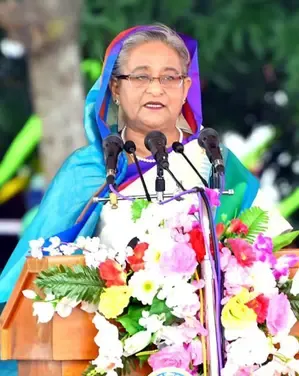
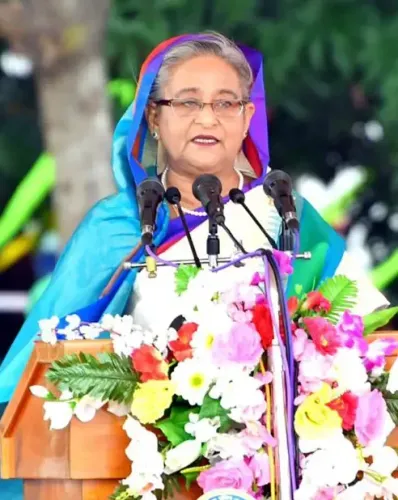
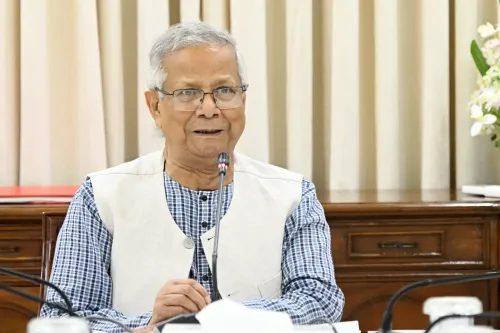
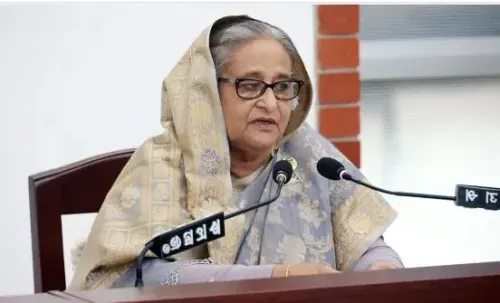
Dhaka, Dec 25 (NationPress) Former Prime Minister of Bangladesh and leader of the Bangladesh Awami League, Sheikh Hasina, expressed her outrage on Thursday against the illegal interim government led by Muhammad Yunus, accusing it of committing unspeakable atrocities against non-Muslim communities.
In her message to Awami League supporters during the Christmas festivities, Hasina highlighted that the Yunus administration has established horrific precedents, including the burning of religious minorities alive.
"Historically, Bangladesh has been a beacon of communal harmony. Our Father of the Nation envisioned a nation free from communal strife. The Awami League has strived to fulfill that vision by ensuring that individuals of all faiths coexist peacefully and without obstruction. We have worked tirelessly to secure equal rights and dignity for every religion in Bangladesh," she stated in a message shared on social media by the party.
"It is deeply troubling to witness the current regime, which has taken power through illegitimate means, infringing upon the rights of all religious communities to practice their faith. Particularly, it is inflicting unspeakable atrocities upon non-Muslims, even resorting to horrific acts like burning religious minorities alive. I am confident that the people of Bangladesh will not let this dark period continue any longer," she added.
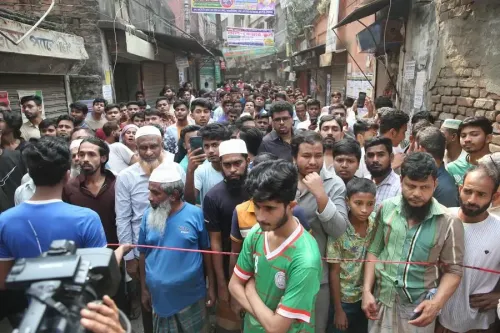
Hasina's remarks coincided with reports of another Hindu individual, Amrit Mondal, who was allegedly lynched by a mob in the Hossaindanga area of Kalimohar Union late Wednesday.
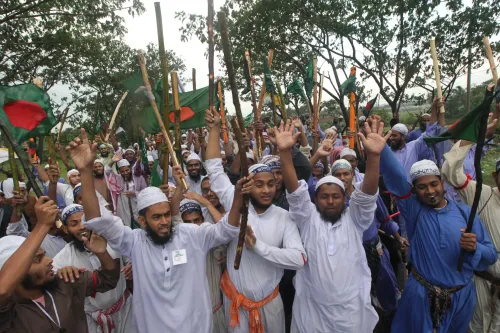
Just last week, a shocking incident drew global condemnation, where a 25-year-old Hindu man, Dipu Chandra Das, was brutally murdered in a mob lynching over false accusations of blasphemy made by a Muslim colleague at his workplace. The assailants killed Das and subsequently hung his body from a tree before setting it ablaze.
This incident highlights the unchecked forces of hatred and extremism that persist in this South Asian country.
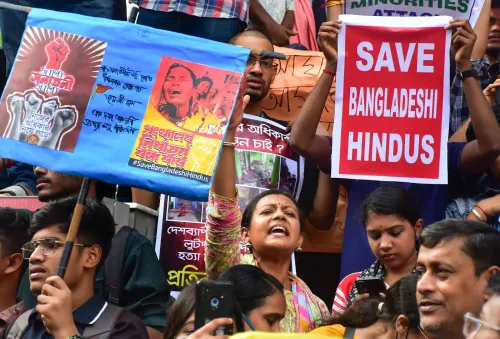
The Bangladesh Hindu Buddhist Christian Unity Council has recorded 2,442 instances of violence against minority groups and over 150 temples defaced between August 2024 and July 2025.
Numerous organizations have condemned Yunus, denouncing the brutal acts and warning that Bangladesh is sliding into savagery, with Hindus bearing the brunt of this violence.
Point of View
It is essential to emphasize that these incidents represent a grave concern for national integrity and communal harmony. The nation must unite in addressing these challenges while ensuring that the voices of all communities are heard and respected. Upholding the principles of equality and justice is crucial for Bangladesh's future.
NationPress
14 Oct 2026
Frequently Asked Questions
What atrocities are being reported against non-Muslims in Bangladesh?
Reports indicate severe violence against non-Muslim communities, including lynchings and murders, particularly affecting Hindus.
Who is Sheikh Hasina?
Sheikh Hasina is the former Prime Minister of Bangladesh and the leader of the Bangladesh Awami League.
What was the context of Hasina's recent statement?
Hasina's statement was made in light of escalating violence against non-Muslims during the Christmas celebrations.
What actions have been taken against religious minorities in Bangladesh?
There have been documented incidents of violence, including over 2,400 cases against minorities and vandalism of temples.
What can be done to address the violence against minorities?
Promoting communal harmony, enforcing laws against hate crimes, and ensuring justice for victims are essential steps.