NPA clashes in Philippines: 2 rebels killed, 1 held in Oriental Mindoro
Synopsis
Two NPA rebels were killed and one captured in Oriental Mindoro on 30 July as Philippine troops acted on a tip from residents — the same day a separate Cotabato clash between a militant group and armed farmers killed one person and displaced 100 families. The twin incidents underscore that the Philippines' twin security challenges — communist insurgency and land-driven communal violence — remain active even as the NPA's strength has collapsed from 25,000 fighters to roughly 1,000.
Key Takeaways
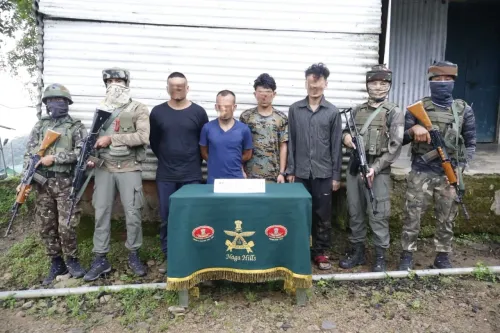
Two NPA members were killed and one captured in a clash with Philippine Army troops in Oriental Mindoro province on 30 July .
Troops recovered IED components from materials abandoned by fleeing rebels; pursuit operations are ongoing.
A separate clash in Cotabato province killed one person , wounded two, and displaced at least 100 families , reportedly linked to a land dispute involving the MILF .
The NPA has waged an insurgency since 1969 ; its active strength has fallen to roughly 1,000 fighters from a peak of 25,000 in the mid-1980s.
In December , two soldiers were killed by alleged NPA landmines in Camarines Sur , prompting intensified military operations.
Two alleged members of the New People's Army (NPA) were killed and one was captured after Philippine Army troops clashed with a suspected rebel group in Oriental Mindoro province, central Philippines, on Wednesday, 30 July, according to local media reports. The encounter is the latest in a series of military operations targeting the Maoist insurgent outfit, whose strength has declined sharply in recent decades.
How the Oriental Mindoro Clash Unfolded
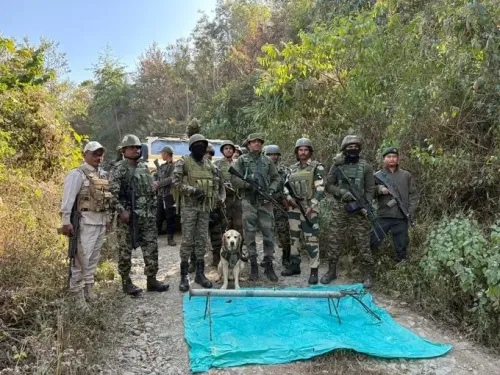
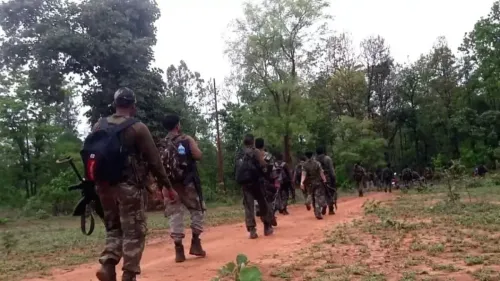
The army said the operation was launched after local residents reported the presence of an armed group in the area. Troops subsequently exchanged fire with approximately 10 suspected NPA members, killing two and capturing one, while the remaining rebels fled. Pursuit operations were launched against those who escaped.
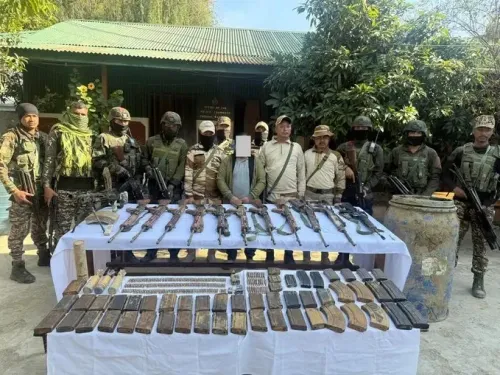
Troops recovered improvised explosive device (IED) components and other materials abandoned by the fleeing suspects, according to the military. The recovery of IED components signals continued rebel capability for asymmetric attacks despite dwindling numbers.
Separate Cotabato Clash Displaces 100 Families
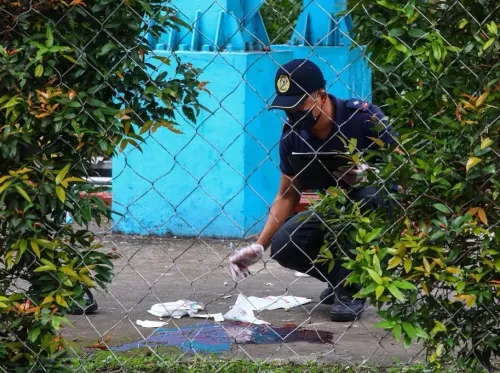
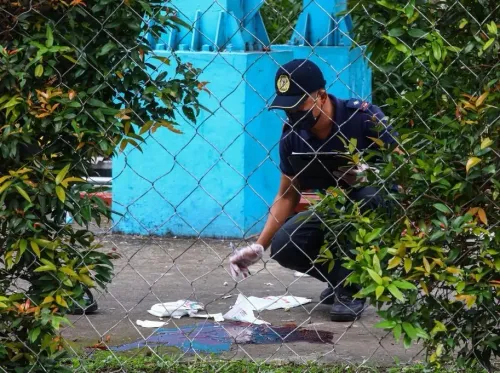
In a separate incident on the same day in Cotabato province, southern Philippines, one person was killed and two others were wounded when caught in crossfire during a clash between a militant group and armed farmers, according to local media reports on Thursday.
A local military official said the fighting displaced at least 100 families, who sought shelter in evacuation centres. Authorities believe the clash stemmed from a long-running land dispute between the Moro Islamic Liberation Front (MILF) and local farmers. The military said it is still verifying which group fired first and whether the fatality and wounded are members of either party.
Soldiers and police have since been deployed to secure the area and conduct clearing operations.
Background: NPA's Decades-Long Insurgency
The NPA has waged an armed insurgency since 1969, seeking to overthrow the Philippine government. The group continues to operate primarily in rural areas across Luzon, the Visayas, and Mindanao. However, security officials say its active strength has fallen to roughly 1,000 fighters — a steep decline from a peak of approximately 25,000 in the mid-1980s.
Notably, in December, two soldiers were killed and three others wounded when anti-personnel landmines, allegedly planted by NPA rebels, detonated during military operations in Camarines Sur province on Luzon island. Following that incident, the military said it intensified pursuit operations against the group.
What Comes Next
The Philippine Army's pursuit operations in Oriental Mindoro remain ongoing. With IED components recovered and rebel remnants at large, security forces are expected to maintain heightened presence in the province. The Cotabato situation, meanwhile, will hinge on the military's verification of who initiated the clash — a finding that could have implications for the fragile peace process involving the MILF.
Point of View
Brief firefights, rebel flight, and recovered materiel — without decisive attrition. With NPA strength already at roughly 1,000, each engagement is tactically marginal, yet the insurgency persists structurally because its rural grievance base has not been addressed. The Cotabato incident is the more telling story: a clash rooted in a land dispute involving the MILF signals that even where formal peace agreements exist, localised violence over land and resources can reignite at any moment. The dual incidents on a single day are a reminder that the Philippines faces layered security challenges that military clearing operations alone cannot resolve.
NationPress
30 Jul 2026
Frequently Asked Questions
What happened in the NPA clash in Oriental Mindoro on 30 July?
Philippine Army troops clashed with around 10 suspected NPA members in Oriental Mindoro province on 30 July after residents reported an armed group in the area. Two NPA members were killed and one was captured; the rest fled, with pursuit operations subsequently launched.
What is the New People's Army (NPA)?
The NPA is the armed wing of the Communist Party of the Philippines, which has waged a Maoist insurgency against the government since 1969. Its active strength has declined to roughly 1,000 fighters from a peak of about 25,000 in the mid-1980s, according to security officials.
What caused the Cotabato clash on 30 July?
A clash in Cotabato province, southern Philippines, on 30 July killed one person and wounded two others, reportedly stemming from a long-running land dispute between the Moro Islamic Liberation Front (MILF) and armed farmers. At least 100 families were displaced and moved to evacuation centres.
What did Philippine troops recover after the Oriental Mindoro encounter?
Troops recovered improvised explosive device (IED) components and other materials abandoned by fleeing NPA suspects after the firefight in Oriental Mindoro. The find indicates continued rebel capacity for bomb-making despite reduced numbers.
How has the NPA threat changed over the years?
The NPA has been active since 1969 but its fighting strength has sharply declined, from a peak of around 25,000 fighters in the mid-1980s to approximately 1,000 today, according to Philippine security officials. The group continues to operate in rural areas of Luzon, the Visayas, and Mindanao.