Bihar CM Witnesses Rs 6,000 Cr Steel Plant MoU for Gaya
Synopsis
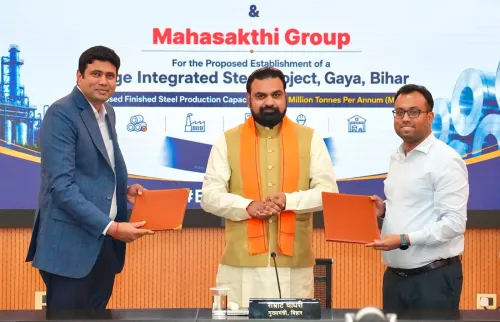
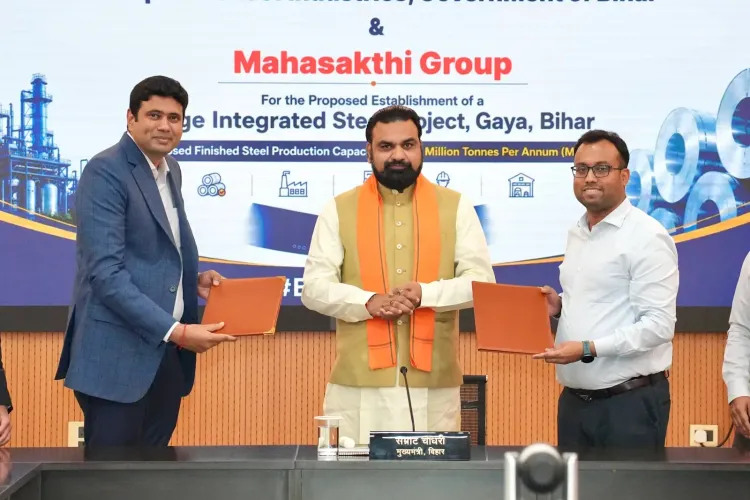
Bihar CM Samrat Choudhary witnessed the signing of a Rs 6,000 crore MoU between Bihar's Industries Department and Mahasakti Group to establish a large integrated steel plant in Gaya district — one of the state's most significant private industrial commitments in years.
Key Takeaways
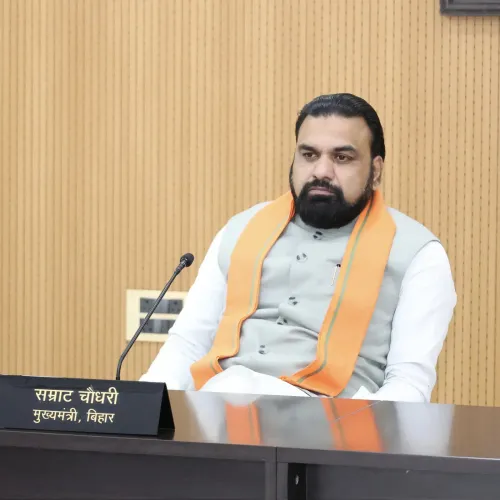
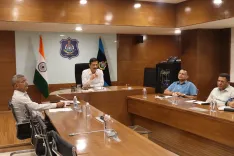
An MoU was signed on 30 July 2026 at 'Sankalp' auditorium, Lok Sewak Avas, Patna, in the presence of Bihar CM Samrat Choudhary .
The agreement is between Bihar's Department of Industries and Mahasakti Group for a proposed integrated steel plant.
The project is proposed to be located in Gaya district , south Bihar.
The projected investment is Rs 6,000 crore , making it one of Bihar's largest single private industrial commitments.
Key next steps include land acquisition, environmental clearances, and phased investment disbursement before construction can begin.
A single signature in Patna's 'Sankalp' auditorium on 30 July 2026 could reshape the industrial map of one of India's least-industrialised states. The Chief Minister's Office of Bihar announced that an MoU was signed between the Department of Industries, Bihar and Mahasakti Group for a proposed large integrated steel plant in Gaya district, carrying a projected investment of Rs 6,000 crore — in the presence of Chief Minister Samrat Choudhary.
What the MoU commits to
The agreement, exchanged at Lok Sewak Avas in Patna, envisages an ekikrit ispat sanyantra — an integrated steel plant — to be established in Gaya district. An integrated steel plant processes raw materials all the way through to finished steel products on a single site, making it a capital-intensive anchor investment that typically draws downstream industries and supply chains into its orbit. At Rs 6,000 crore, this would rank among the largest single private industrial commitments Bihar has seen in recent memory.
Why Gaya, and why this matters for Bihar
Bihar has historically recorded among the lowest levels of industrial output of any major Indian state, a gap that successive governments have tried to close through investor summits and targeted MoUs since the mid-2010s. Unlike mineral-rich neighbours such as Jharkhand and Odisha, Bihar lacks large iron-ore deposits — making a private-sector commitment to build an integrated plant here a deliberate policy signal rather than a resource-driven inevitability.
Gaya district, best known internationally as a Buddhist pilgrimage destination, sits in south Bihar and has been on the state's radar for industrial development. A steel plant of this scale would create direct manufacturing employment and generate significant downstream demand for logistics, construction, and ancillary services — sectors where Bihar's large working-age population could absorb jobs.
The road from MoU to molten steel
An MoU is a statement of intent, not a shovel in the ground. The project will need to clear land acquisition, environmental impact assessment, and phased investment disbursement before construction begins. Eastern India's recent experience with large steel MoUs shows a mixed record: some projects have moved swiftly to commissioning while others have stalled at clearance stages. Tracking Mahasakti Group's follow-through on timelines will be the real test of whether this Rs 6,000 crore pledge translates into factory floors and payrolls in Gaya.
Bihar has put its ambition on paper. Now the clock starts.
Point of View
Not just agro-processing. At Rs 6,000 crore, the Mahasakti Group commitment is large enough to function as a demonstration project: if it clears regulatory hurdles and breaks ground on schedule, it could unlock a wave of follow-on investment in the Gaya-Bodh Gaya corridor. The harder political economy question is whether Bihar's land acquisition and environmental clearance machinery can move at the pace private capital demands — that gap between MoU and commissioning has historically been where Bihar's industrial story stalls.
NationPress
30 Jul 2026
Frequently Asked Questions
What is the Bihar steel plant MoU signed in July 2026?
On 30 July 2026, Bihar's Department of Industries and Mahasakti Group signed an MoU for a proposed integrated steel plant in Gaya district at an estimated investment of Rs 6,000 crore, in the presence of Chief Minister Samrat Choudhary.
Where will the Mahasakti Group steel plant be built in Bihar?
The proposed integrated steel plant is to be established in Gaya district in south Bihar, a region the state government has been targeting for industrial development.
What is an integrated steel plant?
An integrated steel plant processes raw materials — from iron ore through to finished steel products — on a single site, making it a large, capital-intensive facility that typically anchors downstream supply chains and creates substantial employment.
How much will the Gaya steel plant cost?
The proposed plant carries a projected investment of Rs 6,000 crore, according to the MoU signed between Bihar's Industries Department and Mahasakti Group.
What happens after the MoU is signed for the Bihar steel plant?
An MoU is a statement of intent. The project must still secure land acquisition approvals, complete an environmental impact assessment, and receive phased investment clearances before construction can begin.