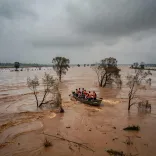
Gujarat Police on high alert as heavy rain forecast triggers statewide evacuation plan
Synopsis
Gujarat Police has put the entire state on maximum alert ahead of heavy rainfall, with DGP Gyanendra Singh Malik activating a multi-agency evacuation and rescue framework spanning NDRF, SDRF, Home Guards and Fire Services. Relief centres are live, district control rooms are round-the-clock, and boats are on standby — all within a 24-to-48-hour weather window.
Key Takeaways
DGP Gyanendra Singh Malik chaired a high-level video conference on Thursday, 30 July , directing all Gujarat police chiefs to remain on maximum alert.
Flood rescue equipment including boats and mechanical resources have been kept ready for immediate deployment across the state.
A joint evacuation plan is in force, covering relocation of residents and livestock from low-lying and flood-prone areas .
NDRF and SDRF teams have been integrated with local police for coordinated multi-agency response.
Relief centres are equipped with food, drinking water and electricity; separate shelters arranged for women, children and senior citizens .
District control rooms are operational round the clock , linked to the State Control Room in Gandhinagar .
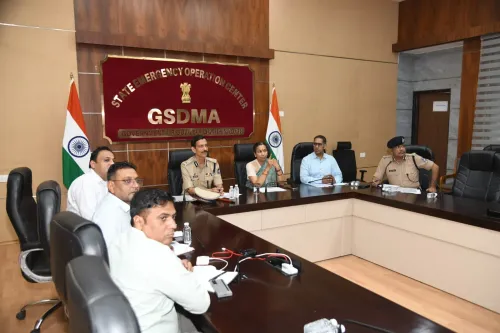
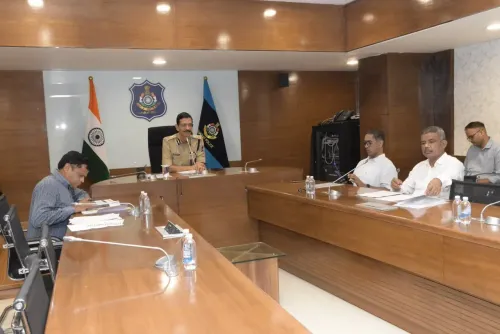
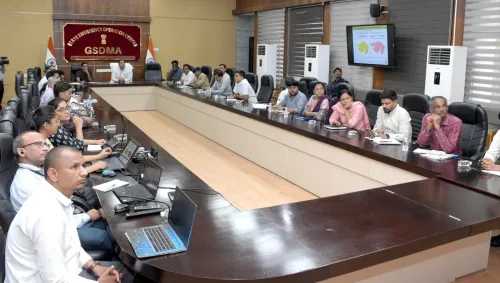
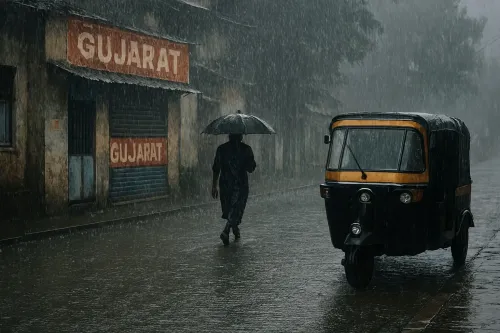
Gujarat Police activated a statewide disaster preparedness and evacuation mechanism on Thursday, 30 July, ahead of a forecast of heavy rainfall expected over the next 24 to 48 hours. Director General of Police (DGP) Gyanendra Singh Malik directed all city, district and range police chiefs across Gujarat to remain on maximum alert and ensure coordinated relief, rescue and evacuation operations to protect lives and property.
High-Level Review and Directives
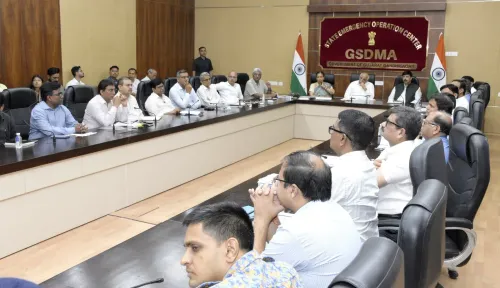
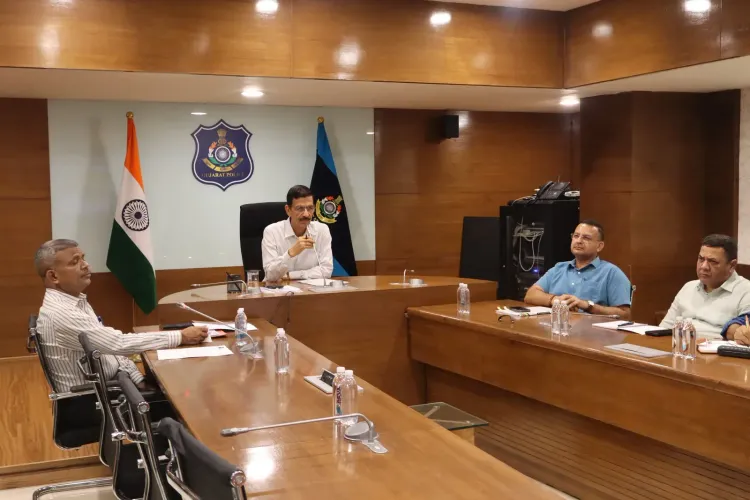
The directives were issued during a high-level video conference chaired by DGP Malik, attended by senior police officers from across the state. Officers were instructed to strengthen preparedness in anticipation of adverse weather and to keep flood relief and rescue equipment — including boats and mechanical resources — fully operational and ready for immediate deployment.
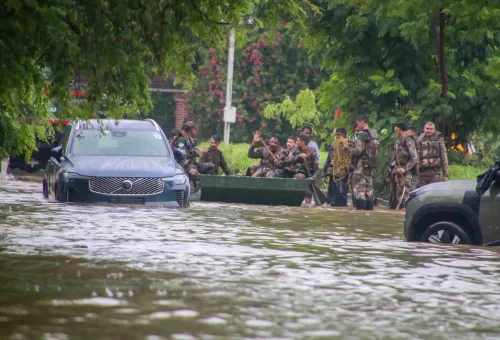
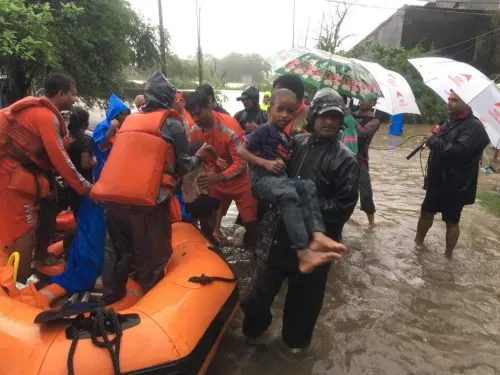
Local police personnel have been integrated into relief operations alongside teams from the National Disaster Response Force (NDRF) and the State Disaster Response Force (SDRF), ensuring a multi-agency response framework is in place.
Evacuation and Traffic Management Measures
In coordination with district administrations, municipal corporations, the Forest Department, the Roads and Buildings Department, and power distribution companies, the Gujarat Police has implemented a joint evacuation plan. The plan provides for the relocation of residents and livestock from low-lying and flood-prone areas to safer locations.
Police personnel have been deployed on national and state highways to regulate traffic and facilitate smooth vehicle movement. Authorities have arranged cranes to remove stranded vehicles and have identified alternative routes to maintain connectivity if roads become impassable.
Shelter, Relief and Communication
Relief centres set up for evacuated residents have been equipped with food, safe drinking water and electricity. Separate arrangements have been made to provide secure shelter for women, children and senior citizens. To maintain uninterrupted communication during severe weather, the police will deploy VHF, HF and ROIP communication systems.
District control rooms have been activated to monitor the situation round the clock, remaining in constant contact with the State Control Room in Gandhinagar for coordinated decision-making and swift emergency response.
Public Awareness and Ground Deployment
The police have intensified public awareness efforts through public address systems, social media platforms and local communication networks, urging residents to stay away from dilapidated buildings, electricity poles, rivers and streams during the heavy rainfall period.
Personnel from the police, Home Guards, Gram Rakshak Dal (GRD), Traffic Regulation Brigade (TRB) and Fire Services have already been deployed at sensitive locations across the state. This comes amid a broader pattern of monsoon-related disaster preparedness exercises that Gujarat authorities have scaled up in recent years following repeated flood events in low-lying districts.
With the heavy rainfall window spanning the next 24 to 48 hours, authorities have urged all residents in vulnerable zones to cooperate with evacuation teams and avoid unnecessary movement.
Point of View
But the real test is always execution at the district level, where coordination historically breaks down. The integration of NDRF, SDRF, Home Guards and Fire Services under a single command structure is the right architecture — the question is whether ground personnel in the most vulnerable talukas have the equipment and authority to act without waiting for orders. With climate patterns making extreme rainfall events more frequent and less predictable, this kind of pre-emptive mobilisation needs to become institutional muscle, not an emergency scramble.
NationPress
30 Jul 2026
Frequently Asked Questions
Why has Gujarat Police activated an evacuation plan?
Gujarat Police activated the statewide evacuation and disaster response plan on 30 July ahead of a forecast of heavy rainfall expected over the next 24 to 48 hours. DGP Gyanendra Singh Malik directed all city, district and range police chiefs to remain on high alert to protect lives and property.
Which agencies are involved in Gujarat's flood response?
The response involves a multi-agency framework including the Gujarat Police, the National Disaster Response Force (NDRF), the State Disaster Response Force (SDRF), Home Guards, Gram Rakshak Dal (GRD), Traffic Regulation Brigade (TRB), Fire Services, district administrations, municipal corporations, the Forest Department and power distribution companies.
What relief arrangements have been made for evacuated residents?
Relief centres have been set up and equipped with food, safe drinking water and electricity. Separate shelter arrangements have been made specifically for women, children and senior citizens displaced from flood-prone areas.
How is communication being maintained during the heavy rainfall period?
The police will use VHF, HF and ROIP communication systems to maintain uninterrupted contact during severe weather. District control rooms are operational round the clock and are in constant contact with the State Control Room in Gandhinagar.
What precautions are residents in Gujarat being asked to take?
Authorities are urging residents to stay away from dilapidated buildings, electricity poles, rivers and streams during the heavy rainfall period. Public awareness is being spread through public address systems, social media platforms and local communication networks.