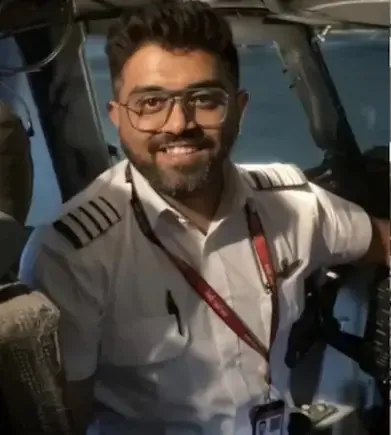
UAE confirms flydubai cockpit attack as terrorist act; Indian pilot Capt Smit Machchhar hailed hero
Synopsis
A flydubai co-pilot barred from flying in Oman over extremist concerns allegedly used a cockpit crash axe — the very tool moved there after 9/11 for safety — to attack an Indian captain mid-flight on a Dubai–Tel Aviv route. UAE prosecutors have now formally called it terrorism, and the pilot who fought back and saved hundreds of lives is being called a hero.
Key Takeaways
UAE prosecutors confirmed on 3 October 2026 that the flydubai cockpit attack is a terrorist attack .
Co-pilot Hamam Al Hamami struck Indian pilot Captain Smit Machchhar with a crash axe at around 34,000 feet on 30 September .
The Boeing 737 plunged at roughly 23,000 feet per minute to about 15,600 feet before Machchhar regained control and enabled an emergency landing at Tabuk, Saudi Arabia .
Al Hamami had reportedly been barred from flying in Oman over extremist concerns and had worked for flydubai for only about eight months .
A now-deleted LinkedIn profile and X account allegedly linked to Al Hamami posted terror-related content within hours of the attack.
UAE Attorney-General Hamad Saif Al Shamsi has formed a specialised investigation team to probe the incident and any terrorist links.
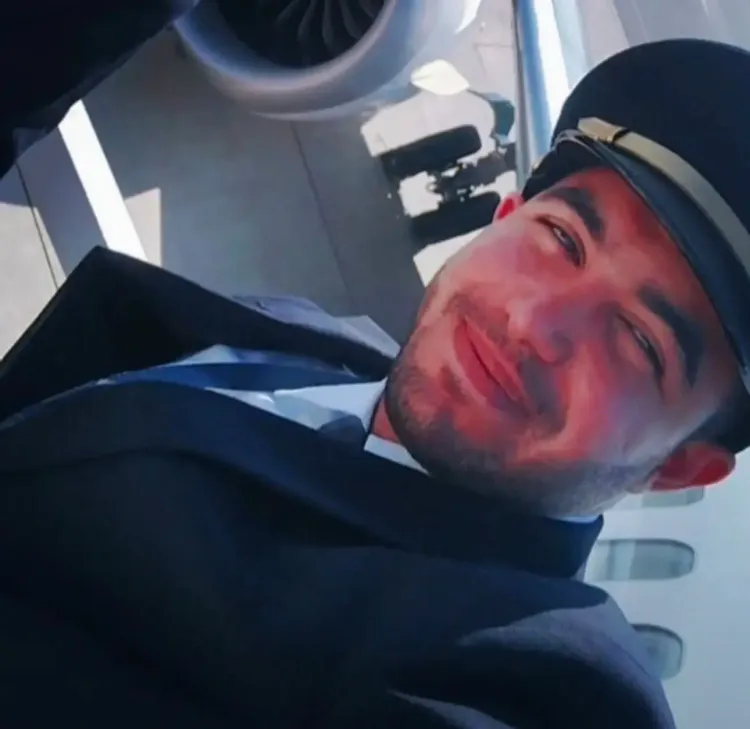
United Arab Emirates prosecutors have officially confirmed the 30 September 2026 attack aboard a flydubai Dubai–Tel Aviv flight as a terrorist attack, with co-pilot Hamam Al Hamami striking Indian pilot Captain Smit Machchhar with a cockpit crash axe in a bid to seize control of the aircraft. The confirmation, issued on 3 October, provides the most authoritative account yet of one of commercial aviation's most alarming recent security incidents.
What Happened Inside the Cockpit
UAE Attorney-General Hamad Saif Al Shamsi stated that Al Hamami 'began executing his plan during the flight, attacking the captain inside the flight deck using a crash axe and attempting to take control of the aircraft,' according to the UAE's official news agency. Captain Machchhar was attacked while the Boeing 737 was cruising at approximately 34,000 feet over the region.
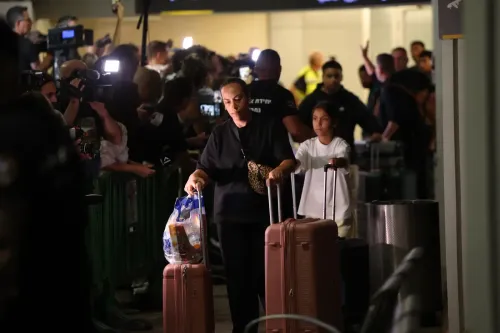
The aircraft entered a steep dive, dropping at roughly 23,000 feet per minute and plunging to around 15,600 feet before the situation was brought under control. Despite being attacked, Machchhar reportedly fought back, opened the cockpit door, and allowed passengers and cabin crew to overpower the co-pilot. The flight made an emergency landing at Tabuk airport in Saudi Arabia, assisted by two off-duty pilots who happened to be on board.
The Crash Axe: A Post-9/11 Security Measure Turned Weapon
Under international aviation regulations, a crash axe must be carried on every commercial passenger aircraft. The tool — intended for use by flight crew to break through cabin structures in a crash — was historically stored in the passenger cabin. Following the September 11, 2001 terrorist attacks in the United States, aviation authorities moved crash axes to the locked cockpit as a security precaution. In this incident, that very precaution reportedly became the weapon of choice.
Who Is Hamam Al Hamami
Al Hamami, an Omani national, had reportedly been barred from flying in Oman due to concerns that he had adopted extremist views, according to media reports. He is said to have spent considerable time in Syria, where he was allegedly radicalised before moving to the UAE.
According to reports, Al Hamami worked at Oman Air for seven years before leaving in February 2025. He then briefly joined Royal Air Maroc in June 2025, departing in January 2026, before being hired by flydubai — where he had been employed for only about eight months at the time of the attack, according to reports citing CNN.
A now-deleted LinkedIn profile bearing his name reportedly made two posts within approximately nine hours of the incident, both described as terror-related. One reportedly showed cockpit footage zooming in on an aircraft belonging to Israeli carrier El Al, ending with images of al-Qaeda leader Ayman al-Zawahiri and Humam Khalil Abu-Mulal al-Balawi — the suicide bomber who killed nine people targeting US personnel in 2009. A separate post reportedly featured an AI-generated image depicting Islam's three holiest sites alongside a poem described as referencing themes of defiance and martyrdom.
A now-deleted X account attributed to Al Hamami was described by CNN as portraying him as 'deeply religious and misogynistic'. At least one former colleague, according to media reports, described him as a religious extremist. Investigators are still probing his full background and motivations.
UAE Investigation and Diplomatic Response
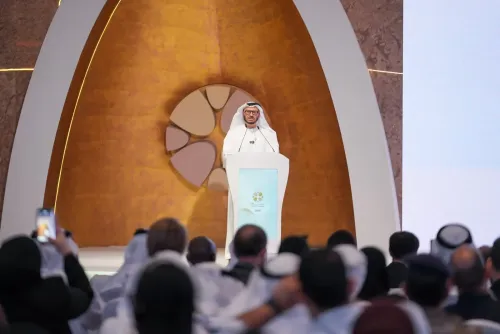
Attorney-General Al Shamsi has ordered the formation of a specialised investigation team drawn from the UAE Public Prosecution to examine the circumstances and causes of the attack, including any links to terrorist organisations or broader networks. The UAE's Ministry of Foreign Affairs released the statement, and the UAE also formally acknowledged Saudi Arabia's cooperation in handling the emergency landing.
Captain Machchhar Hailed as Hero
Indian pilot Captain Smit Machchhar has been widely praised for his actions under extreme duress — fending off an axe attack at altitude, managing the aircraft's trajectory, and ultimately preventing a mass-casualty event. He is being described as a 'hero' both within the aviation community and in broader public discourse. The investigation remains ongoing.
Point of View
His alleged radicalisation in Syria, and his brief tenures at multiple airlines before landing at flydubai raise urgent questions about cross-border pilot background screening — a regulatory gap that post-9/11 cockpit security measures clearly did not anticipate. The crash axe, moved to the locked cockpit in 2001 precisely to keep it out of hostile hands, was weaponised from inside the cockpit itself. That contradiction will force regulators to revisit what 'secure' actually means at 34,000 feet, especially on routes to Israel that carry heightened geopolitical risk. Captain Machchhar's survival and the safe landing at Tabuk are almost improbably fortunate outcomes; the focus now must be on ensuring the conditions that produced this near-catastrophe cannot recur.
NationPress
3 Oct 2026
Frequently Asked Questions
What happened on the flydubai Dubai–Tel Aviv flight on 30 September?
Co-pilot Hamam Al Hamami attacked Indian pilot Captain Smit Machchhar with a cockpit crash axe and attempted to seize control of the aircraft at around 34,000 feet. The Boeing 737 entered a steep dive before Machchhar fought back, opened the cockpit door for crew and passengers to restrain Al Hamami, and the flight made an emergency landing at Tabuk, Saudi Arabia, with the help of two off-duty pilots on board.
Has the UAE officially called the flydubai attack a terrorist attack?
Yes. UAE prosecutors formally confirmed the incident as a terrorist attack on 3 October 2026. Attorney-General Hamad Saif Al Shamsi has ordered a specialised investigation team from the UAE Public Prosecution to probe the circumstances and any links to terrorist activity.
Who is Hamam Al Hamami and what is his background?
Hamam Al Hamami is an Omani national who had reportedly been barred from flying in Oman over concerns about extremist views. According to media reports, he spent time in Syria where he was allegedly radicalised. He previously worked at Oman Air for seven years, briefly at Royal Air Maroc, and had been employed by flydubai for only about eight months at the time of the attack.
Why was a crash axe available inside the cockpit?
Under international aviation regulations, commercial aircraft are required to carry a crash axe for use by crew during emergencies. Following the September 11, 2001 attacks, aviation authorities moved the axe from the passenger cabin into the locked cockpit as a security measure — a safeguard that Al Hamami allegedly turned against the captain.
What is the current status of Captain Smit Machchhar?
Captain Smit Machchhar has been widely described as a hero for fighting off the attacker mid-flight and facilitating the safe emergency landing. The investigation into the incident is ongoing, and authorities are continuing to examine Al Hamami's background and possible connections to wider terrorist networks.