UAE Reports Fatalities and Injuries from Iranian Strikes

Synopsis
In a recent statement, the UAE's Ministry of Defence detailed the interception of numerous Iranian missiles and drones, resulting in fatalities and injuries among various nationalities. With heightened alertness, the UAE emphasizes the safety of its citizens amidst rising tensions.
Key Takeaways
The UAE's air defences intercepted 165 ballistic missiles and 541 drones.
Fatalities included individuals from Pakistan, Nepal, and Bangladesh.
58 reported injuries among various nationalities.
The UAE Ministry of Defence is on high alert.
Diplomatic tensions with Iran are escalating.
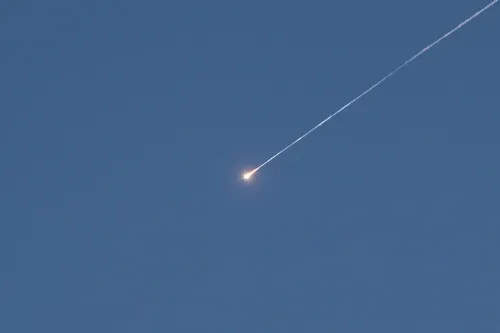
Abu Dhabi, March 1 (NationPress) - On Sunday, the UAE's Ministry of Defence revealed that its air defence systems have intercepted a total of 165 ballistic missiles, two cruise missiles, and 541 Iranian drones.
The ministry reported that one individual from Pakistan, along with citizens from Nepal and Bangladesh, lost their lives in the airstrikes. Additionally, 58 people sustained minor injuries, including nationals from various countries: Emirati, Egyptian, Ethiopian, Filipino, Pakistani, Iranian, Indian, Bangladeshi, Sri Lankan, Azerbaijani, Yemeni, Ugandan, Eritrean, Lebanese, and Afghan.
According to the statement, during the second day of the Iranian offensive, the UAE successfully destroyed 20 ballistic missiles and intercepted eight missiles which fell into the sea, in addition to neutralizing two cruise missiles and 311 drones. However, 21 drones managed to strike civilian areas.
The ministry noted: "Since the onset of the Iranian attacks on February 28, 2026, a total of 165 ballistic missiles launched from Iran have been detected, with 152 destroyed and 13 landing in the sea. Furthermore, 2 cruise missiles were intercepted and 541 Iranian drones were identified, of which 506 were neutralized, while 35 caused damage to property, resulting in the deaths of individuals from Pakistan, Nepal, and Bangladesh, alongside 58 minor injuries across various nationalities.
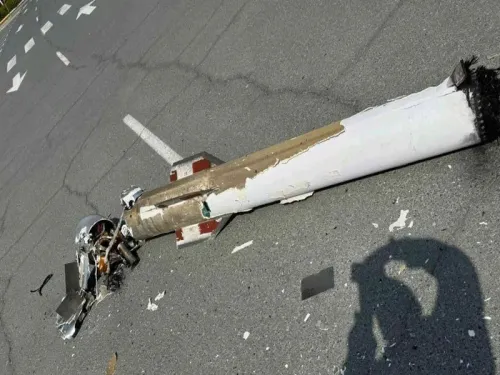
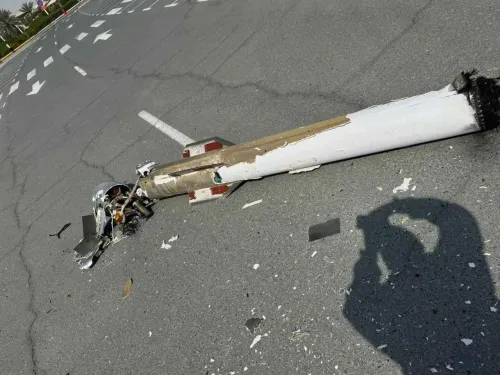
The UAE's Ministry of Defence also reported that debris from intercepted missiles and drones scattered across different parts of the UAE, leading to minor and moderate property damage. The ministry urged citizens to seek information from credible sources and refrain from spreading unverified rumors.
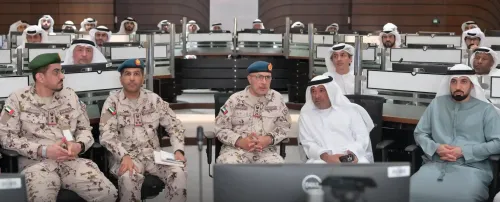
The ministry emphasized its heightened alert status and readiness to address any potential threats, reassuring that the safety of citizens, residents, and visitors remains its top priority.
Earlier, Anwar Gargash, a senior diplomatic advisor to the President of the UAE, called on Iran to "regain its senses" and engage with neighboring countries responsibly, cautioning against the risks of isolation and escalation.
Gargash reaffirmed that Iran's recent actions align with narratives labeling it as the "primary source of danger", with its missile program posing ongoing threats to regional stability.
He stated, "Iran's hostility towards Gulf nations has backfired, leading to its isolation at a crucial time. Your conflict is not with your neighbors, and this escalation further supports the view of Iran as the region's main threat, with its missile initiatives perpetuating instability." He concluded by urging Iran to approach its neighbors with reason before the cycle of isolation intensifies.
Point of View
It's imperative to highlight the grave implications of the recent Iranian strikes on the UAE. The loss of life and injuries among diverse nationalities underscores the urgent need for diplomatic resolution. The UAE's commitment to defending its sovereignty and prioritizing the safety of its citizens is commendable amidst such turmoil.
NationPress
7 Oct 2026
Frequently Asked Questions
How many missiles and drones were intercepted by the UAE?
The UAE intercepted a total of 165 ballistic missiles, 2 cruise missiles, and 541 Iranian drones.
What is the current status of safety in the UAE?
The UAE's Ministry of Defence has heightened its alert status and continues to prioritize the safety of citizens, residents, and visitors.
What nationalities were affected by the Iranian strikes?
Individuals from Pakistan, Nepal, Bangladesh, and various other nations were affected, with reported fatalities and injuries.
What has the UAE government urged its citizens to do?
The UAE government has urged citizens to obtain information from official sources and to avoid spreading unverified rumors.
What was Anwar Gargash's statement regarding Iran?
Anwar Gargash advised Iran to engage responsibly with its neighbors and warned against the risks of isolation and escalation.