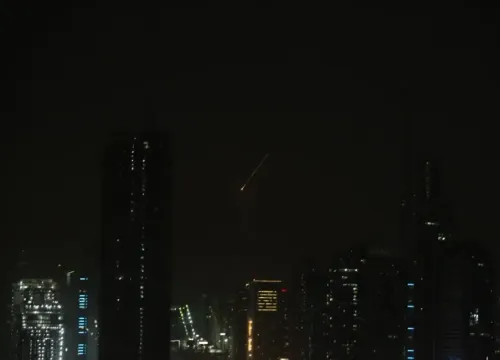
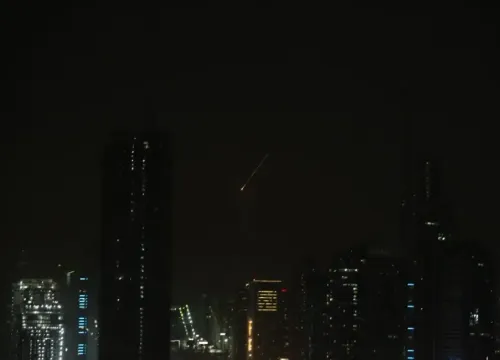
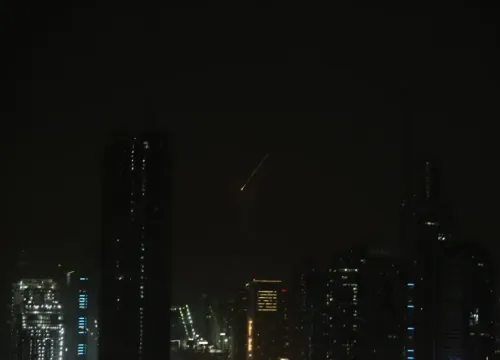
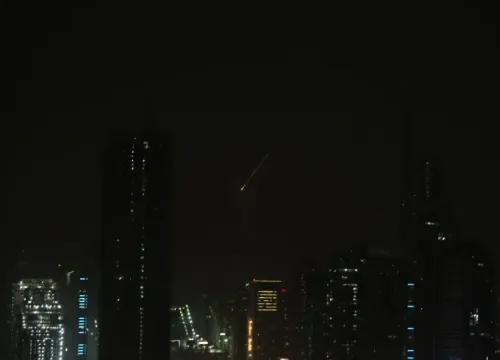
UAE Engages 13 Ballistic Missiles and 27 UAVs Fired from Iran
Synopsis
The UAE has successfully intercepted multiple missile and UAV attacks from Iran. This incident highlights the ongoing tensions in the region and the UAE's commitment to safeguarding its national security. Discover the implications of these events and the responses from key political figures.
Key Takeaways
The UAE intercepted 13 ballistic missiles and 27 UAVs from Iran.
327 ballistic missiles and 1,699 UAVs have been engaged since the start of Iranian aggression.
Two members of the UAE armed forces and six civilians have lost their lives due to these attacks.
Prime Minister Modi condemned the attacks and emphasized regional cooperation.
The situation highlights the increasing tensions in West Asia.
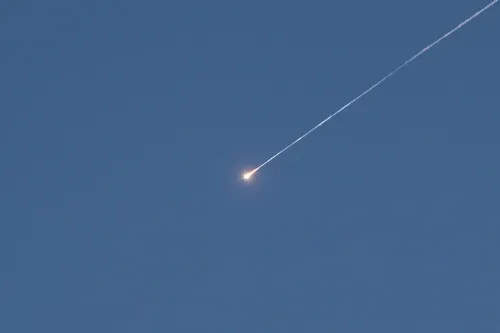
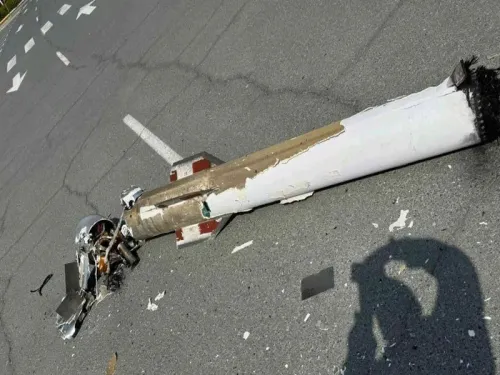
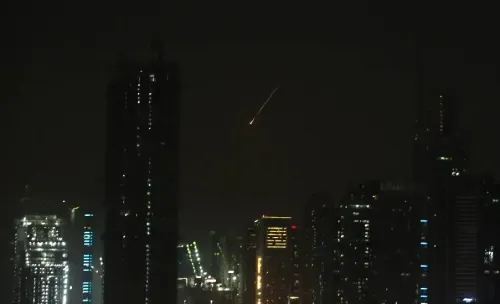
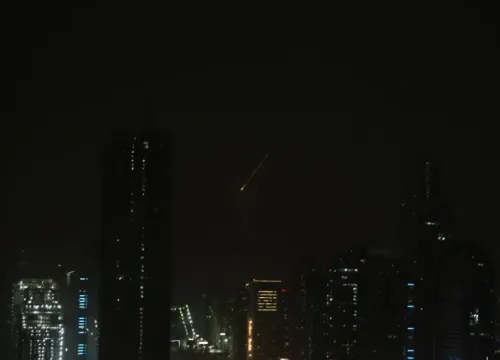
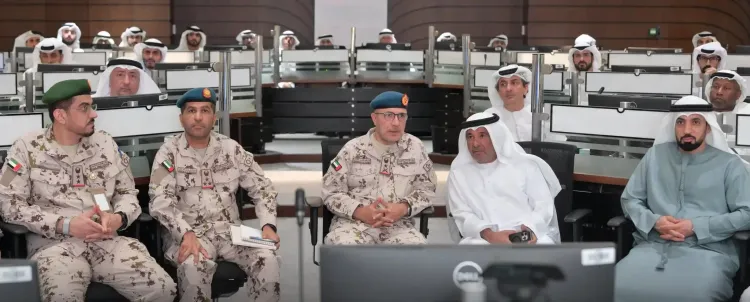
Abu Dhabi, March 18 (NationPress) - The Ministry of Defence of the United Arab Emirates (UAE) has reported that its air defence systems intercepted 13 ballistic missiles and 27 UAVs fired from Iran this past Wednesday.
"Since the beginning of the overt Iranian aggression, UAE air defence forces have intercepted a total of 327 ballistic missiles, 15 cruise missiles, and 1,699 UAVs. These assaults have tragically led to the loss of two armed forces members while on duty, alongside six individuals from Pakistani, Nepali, Bangladeshi, and Palestinian backgrounds," stated a release from the UAE's Defence Ministry.
"Additionally, there were 158 injuries reported, varying from minor to severe. The affected individuals included nationals from the UAE, Egypt, Sudan, Ethiopia, the Philippines, Pakistan, Iran, India, Bangladesh, Sri Lanka, Azerbaijan, Yemen, Uganda, Eritrea, Lebanon, Afghanistan, Bahrain, Comoros, Turkey, Iraq, Nepal, Nigeria, Oman, Jordan, Palestine, Ghana, Indonesia, Sweden, and Tunisia," the statement detailed.
The UAE Defence Ministry reiterated its commitment to remain fully prepared to address any threats, emphasizing its determination to counter any actions that could jeopardize state security, ensuring the protection of its sovereignty, security, and stability, while safeguarding national interests and capabilities.
On Tuesday, Prime Minister Narendra Modi engaged in a conversation with UAE President Mohamed bin Zayed Al Nahyan, where he strongly condemned all attacks on the UAE that have resulted in the loss of innocent lives and damage to civilian infrastructure.
According to the Prime Minister's Office (PMO), during their discussion regarding the current circumstances in West Asia, both leaders acknowledged the significance of maintaining safe and free navigation through the Strait of Hormuz.
PM Modi stressed that both nations will continue their collaborative efforts to restore peace, security, and stability in the region promptly.
"I spoke with my brother, HH Sheikh Mohamed bin Zayed Al Nahyan, President of the UAE, and extended early Eid greetings. We discussed the situation in West Asia and reiterated India’s strong condemnation of any attacks on the UAE that have led to innocent lives lost and damage to civilian infrastructure. We agreed on the necessity of ensuring safe and free navigation through the Strait of Hormuz. We will persist in our collaborative efforts for the swift restoration of peace, security, and stability in the region," PM Modi expressed on X following the call.
Point of View
The UAE's defense strategy is under scrutiny as it faces external threats. The government's strong stance on national security reflects its commitment to protect its citizens and maintain regional stability. This situation emphasizes the delicate balance of geopolitical relations in West Asia, with significant implications for international security.
NationPress
23 Sept 2026
Frequently Asked Questions
What prompted the UAE's defense engagement?
The engagement was prompted by the launch of 13 ballistic missiles and 27 UAVs from Iran.
What has been the impact of these attacks?
The attacks have resulted in the deaths of two UAE armed forces members and six individuals of various nationalities, with 158 others injured.
How is the UAE responding to these threats?
The UAE Ministry of Defence has affirmed its readiness to counter any threats to national security and protect its sovereignty.
What was discussed between PM Modi and UAE President?
They discussed the situation in West Asia and agreed on the importance of safe navigation through the Strait of Hormuz.
What countries were represented among the injured?
Injured individuals included nationals from multiple countries including the UAE, Egypt, Sudan, and others.