Keir Starmer resigns as UK Prime Minister and Labour leader
Synopsis
Keir Starmer's departure marks a dramatic reversal for a leader who delivered Labour's first general election landslide in 14 years — only to lose the confidence of his own parliamentary party less than a year into government. With Andy Burnham reportedly gaining MP support after the Makerfield by-election, a new chapter in British politics is opening faster than most expected.
Key Takeaways
Keir Starmer announced his resignation as UK Prime Minister and Labour Party leader on Monday, 22 June .
He will remain as caretaker Prime Minister until a new Labour leader is chosen in the coming weeks.
Starmer cited the verdict of his parliamentary party as the reason for stepping down.
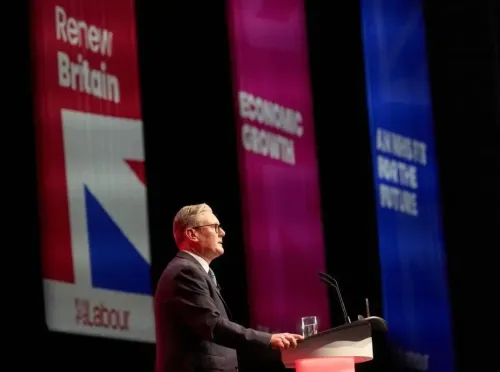
Starmer had led Labour to its first general election win in 14 years in July 2024 .
Andy Burnham is reportedly the frontrunner to succeed him, with growing MP support following the Makerfield by-election .
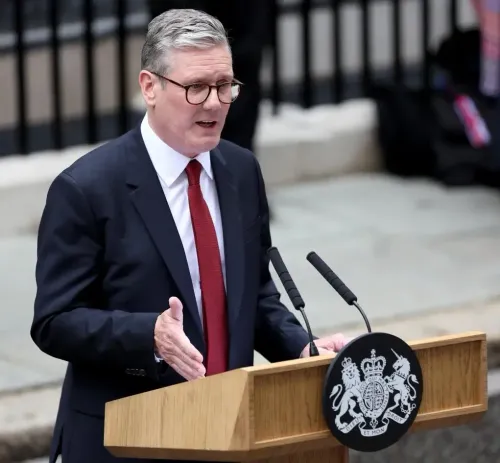
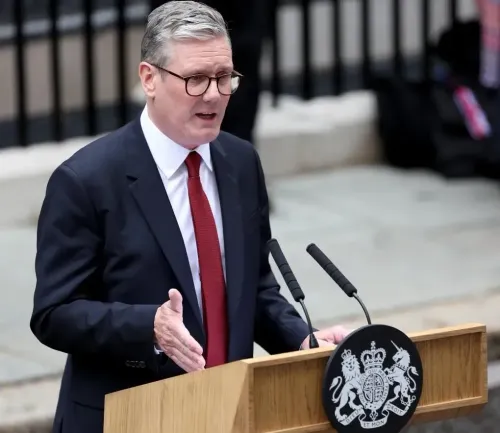
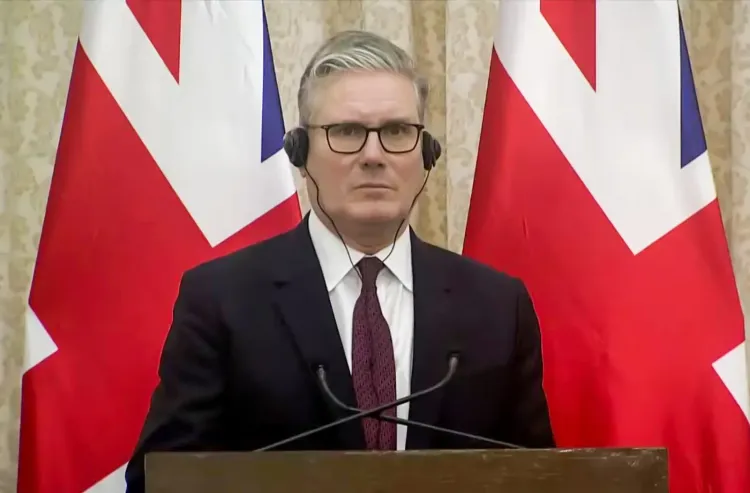
Keir Starmer on Monday, 22 June announced his resignation as British Prime Minister and leader of the governing Labour Party, delivering the statement outside 10 Downing Street in London. Starmer confirmed he will remain in post as caretaker Prime Minister until a new Labour leader is elected in the coming weeks.
What Starmer Said
In his resignation address, Starmer cited the verdict of his parliamentary party as the decisive factor. 'The question my party is asking now is whether I am best placed to lead us into the next general election. I have heard the answer of my parliamentary party to that question, and I accept that answer with good grace,' he said.
Starmer added that he had spoken to His Majesty the King on Monday morning to formally inform him of the decision. He framed his tenure as one driven by national interest, stating: 'Every decision I've taken has been about putting the country I love first.'
The Rise and Fall of a Labour Mandate
Starmer led Labour to a sweeping general election victory in July 2024 — the party's first in 14 years and by a landslide majority. In his statement, he recalled inheriting 'a Labour party that was politically, financially and morally bankrupt' six years ago, and credited his leadership with restoring the party's credibility on the economy, defence, and national security, as well as eliminating what he called the 'poison of antisemitism'.
However, the months following that historic win saw mounting criticism of his government's policy direction. Reports over the weekend indicated that Starmer 'has come up hard against the reality that the support isn't there', with one political observer quoted as saying: 'The truth is, everyone knows this is no longer a sustainable proposition.'
Who Could Succeed Starmer
Andy Burnham, the Mayor of Greater Manchester, is reportedly emerging as a frontrunner to replace Starmer as Labour leader and, by extension, Prime Minister. The number of MPs backing Burnham is said to have grown following his party's victory in the Makerfield by-election last week. No formal leadership contest timeline has been announced as of Monday.
What Happens Next
Starmer will continue to serve as Prime Minister in a caretaker capacity until the Labour Party concludes its internal leadership process. The transition period raises questions about policy continuity and the government's legislative agenda. Political analysts note that the speed of the succession will be critical to preventing a prolonged period of uncertainty for both the party and the country.
Point of View
Labour pivots toward a more regionally grounded, working-class politics — a meaningful ideological shift, not just a change of face. What mainstream coverage underplays is the institutional cost: a caretaker premiership, however brief, creates a policy vacuum at a moment when the UK faces live economic and foreign policy pressures.
NationPress
22 Jun 2026
Frequently Asked Questions
Why did Keir Starmer resign as UK Prime Minister?
Keir Starmer resigned on 22 June after concluding that his parliamentary party no longer believed he was best placed to lead Labour into the next general election. He stated he accepted that verdict 'with good grace' and had informed the King of his decision.
Will Keir Starmer immediately leave office?
No. Starmer will remain as caretaker Prime Minister until the Labour Party selects a new leader. He announced this arrangement on Monday, 22 June, outside 10 Downing Street.
Who is likely to replace Keir Starmer as Labour leader?
Andy Burnham, the Mayor of Greater Manchester, is reportedly the frontrunner, with his support among Labour MPs growing after the party's win in the Makerfield by-election last week. No formal contest timeline has been confirmed.
What did Keir Starmer achieve as Labour leader before resigning?
Starmer led Labour to its first general election victory in 14 years in July 2024, securing a landslide majority. He credited his leadership with rebuilding Labour's credibility on the economy, defence, and national security, and addressing antisemitism within the party.
What happens to the UK government during the Labour leadership transition?
Starmer will continue as caretaker Prime Minister, meaning the government remains functional but major new policy initiatives are unlikely. The transition period is expected to last several weeks until a new Labour leader is confirmed.