Balochistan budget 2026-27 sparks protests as salary hike, service gaps disappoint
Synopsis
Balochistan's new budget promised Rs 1.1 trillion in receipts but delivered a 7% salary hike that sent employees into the streets of Quetta — clashing with police and shutting down government offices. In Pakistan's largest yet least developed province, the gap between fiscal paperwork and lived reality has rarely looked wider.
Key Takeaways
The Balochistan government's 2026-27 budget has triggered widespread protests from employees and ordinary citizens.
The Balochistan Employees' Grand Alliance staged demonstrations against a seven per cent salary increase, calling it inadequate.
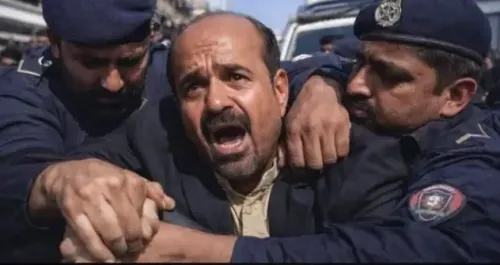
Clashes between protesters and police broke out in Quetta ; several alliance leaders were arrested.
The province expects total receipts of Rs 1.1 trillion , including substantial federal transfers.
Despite being Pakistan's largest province by area, Balochistan remains among the country's least developed regions, with persistent poverty, unemployment, and weak public services.
Analysts warn the budget projects fiscal stability on paper but is unlikely to resolve structural issues of unemployment and economic stagnation.
The Balochistan government's 2026-27 budget has triggered widespread public anger, with government employees, labourers, and ordinary citizens saying the financial plan offers little meaningful relief amid rising costs, persistent unemployment, and crumbling public services. The discontent, which has spilled into street protests, underscores the deep structural challenges facing Pakistan's largest province by area.
Employee Protests and Clashes in Quetta
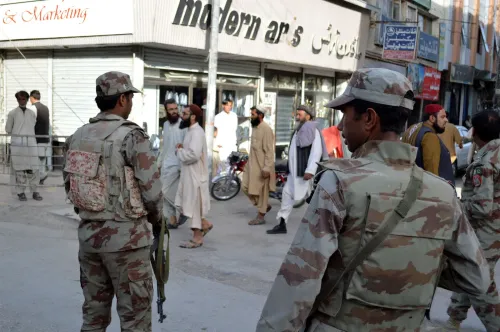
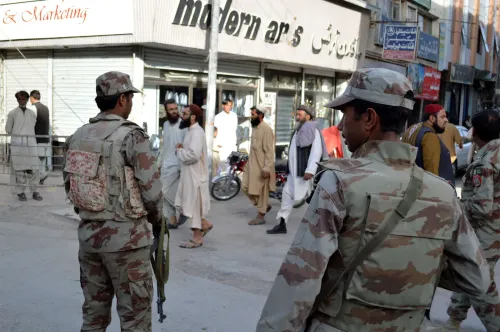
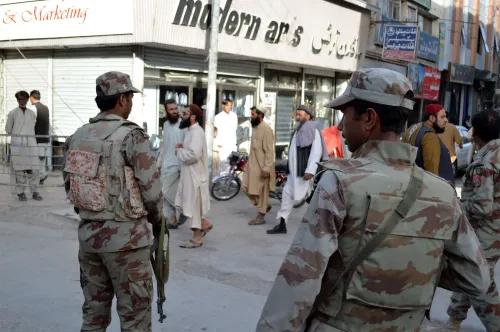
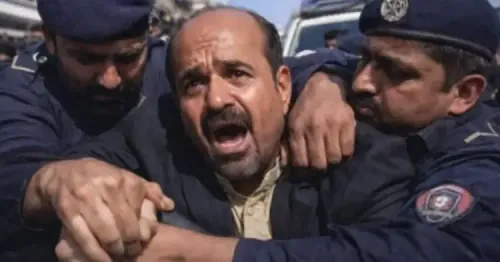
Discontent erupted visibly during the provincial budget session when the Balochistan Employees' Grand Alliance staged demonstrations against the government's decision to raise salaries by only seven per cent. Protesters in Quetta clashed with police while attempting to march toward the provincial assembly. Several alliance leaders were subsequently arrested, prompting the body to announce a shutdown of government offices, educational institutions, and other public-sector departments across the province.
Broader Public Frustration
Beyond the organised employee bloc, labourers, rickshaw drivers, and salaried workers voiced frustration over what they described as a budget that failed to address their economic concerns. Many said rising financial pressures had been met with inadequate policy response. Official documents show the province expects total receipts of Rs 1.1 trillion for the fiscal year, including substantial federal transfers — yet critics argue the allocation priorities do not reflect ground realities.
A Province Rich in Resources, Poor in Outcomes
Despite holding Pakistan's largest land area and possessing abundant natural resources, Balochistan remains among the country's least developed regions. Poverty, weak infrastructure, and limited access to essential services continue to affect large sections of the population, according to reports. The province has also faced a long-running insurgency that has significantly shaped budget priorities over the years, often at the expense of social spending.
Education, Health, and Employment Remain Stressed
Both education and health services face serious challenges across the province. Educational institutions have repeatedly encountered financial difficulties, with university teachers reportedly experiencing delays in salary payments. Economic opportunities remain scarce: industrial activity is limited, the private sector is underdeveloped, and many educated young people remain dependent on government jobs for livelihood — a sector that is itself under fiscal strain.
Analysts: Fiscal Stability on Paper, Crisis on the Ground
Analysts noted that while the budget projects fiscal stability in its headline numbers, it may struggle to address the underlying issues of unemployment, poverty, weak public services, and economic stagnation. This is not a new critique — successive Balochistan budgets have faced similar assessments, pointing to a structural gap between provincial fiscal planning and the delivery of basic services. The coming months will test whether implementation can move beyond the numbers on paper.
Point of View
Yet it consistently ranks at the bottom of Pakistan's human development indices. A seven per cent salary hike in a high-inflation environment is effectively a pay cut, and the employees who took to Quetta's streets understand that arithmetic better than the budget documents suggest. What mainstream coverage underplays is the compounding effect: a long-running insurgency has skewed spending toward security, leaving education and health chronically underfunded year after year. Until budget priorities structurally shift toward service delivery and private-sector development, the Rs 1.1 trillion headline will remain a number that does not reach the people it is meant to serve.
NationPress
21 Sept 2026
Frequently Asked Questions
What is the Balochistan budget 2026-27 and why has it caused protests?
The Balochistan government announced its fiscal year 2026-27 budget with total expected receipts of Rs 1.1 trillion, but the plan drew immediate backlash for offering only a seven per cent salary increase to government employees and providing little relief to citizens struggling with rising costs and unemployment. Protests broke out in Quetta, with clashes reported between demonstrators and police.
Who are the Balochistan Employees' Grand Alliance and what did they demand?
The Balochistan Employees' Grand Alliance is a coalition of government employees that led demonstrations against the budget's seven per cent salary hike, which members described as insufficient given rising inflation. Following the arrest of several leaders during protests, the alliance announced a shutdown of government offices, educational institutions, and public-sector departments across the province.
Why does Balochistan remain underdeveloped despite its natural resources?
Balochistan is Pakistan's largest province by area and holds abundant natural resources, yet it remains among the country's least developed regions due to a combination of weak infrastructure, limited industrial activity, an underdeveloped private sector, and a long-running insurgency that has shaped budget priorities away from social spending. Poverty and restricted access to essential services continue to affect large parts of the population.
How do education and health services fare in Balochistan?
Both sectors face serious challenges across the province. Educational institutions have repeatedly encountered financial difficulties, with university teachers reportedly facing delays in salary payments. Health services similarly remain under-resourced, contributing to the province's low human development indicators.
What do analysts say about Balochistan's fiscal outlook?
Analysts have noted that while the 2026-27 budget projects fiscal stability in its headline figures, it is unlikely to resolve the underlying problems of unemployment, poverty, weak public services, and economic stagnation. The critique mirrors assessments of previous Balochistan budgets, pointing to a persistent gap between fiscal planning and actual service delivery on the ground.