Balochistan budget 2026-27: Employees, public call Rs 1.13 trillion plan 'anti-people'

Synopsis
Balochistan's Rs 1.13 trillion budget has triggered protests, arrests, and a province-wide shutdown call — even before it was tabled. With Rs 800 billion dependent on federal transfers, security eating Rs 107 billion, and a 7% pay rise dismissed as insulting, the budget exposes the structural fault lines of Pakistan's most resource-rich yet most neglected province.
Key Takeaways
Balochistan has presented a Rs 1.13 trillion budget for FY 2026-27 , with projected expenditure of Rs 1.09 trillion and a surplus of Rs 45.57 billion .
Rs 800.13 billion will come from the NFC Award and federal transfers, underlining the province's dependence on central funding.
Government employees protested a proposed 7% salary hike ; several leaders of the Balochistan Employees' Grand Alliance were arrested in Quetta .
Law and order received Rs 107.92 billion , one of the largest single allocations, reflecting ongoing insurgency pressures.
Education received a record Rs 157.29 billion and health Rs 74 billion , but most funds are reportedly tied up in salaries and routine costs.
Opposition lawmaker Asad Baloch called the budget 'anti-people', alleging deputy commissioners received Rs 40 billion versus Rs 20 billion for elected representatives.
The Balochistan government's Rs 1.13 trillion budget for FY 2026-27 has drawn sharp criticism from government employees, opposition legislators, and ordinary residents, who argue it offers little meaningful relief amid mounting unemployment, deteriorating public services, and rising living costs. The backlash was evident even before the budget was formally tabled, underscoring deep public frustration with the province's fiscal priorities.
Key Budget Numbers
The provincial government has projected total expenditure of Rs 1.09 trillion and a surplus of Rs 45.57 billion, according to budget documents. Total receipts are estimated at around Rs 1.1 trillion, supplemented by a cash carryover of Rs 30.61 billion from federally funded projects.
Notably, Rs 800.13 billion — the bulk of the province's income — will flow in through its share under the National Finance Commission (NFC) Award and other federal transfers, reinforcing Balochistan's well-documented dependence on the Centre in Islamabad rather than its own revenue generation.
Employee Protests and Arrests in Quetta
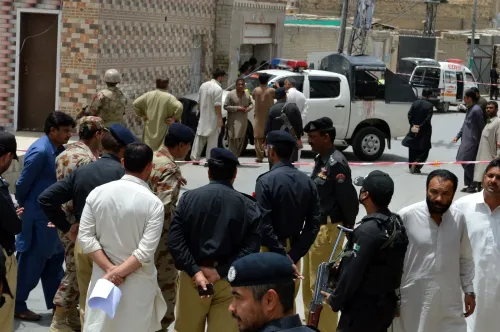
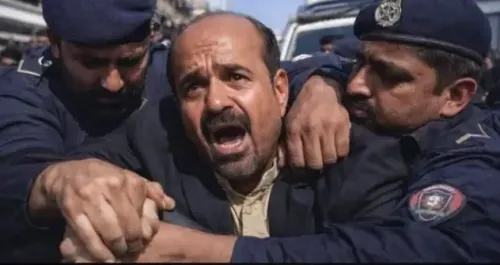
Government employees moved to the streets before the budget session, protesting a proposed seven per cent salary increase they described as wholly inadequate given inflation levels. Members of the Balochistan Employees' Grand Alliance clashed with police in Quetta as they attempted to march towards the provincial assembly. Several alliance leaders were arrested, prompting the organisation to announce a shutdown of government offices, educational institutions, and other public-sector departments across the province.
The protest reflects a pattern seen in multiple Pakistani provinces where nominal pay hikes have failed to keep pace with the cost of living, leaving salaried workers effectively worse off in real terms.
Security Spending Dominates Allocations
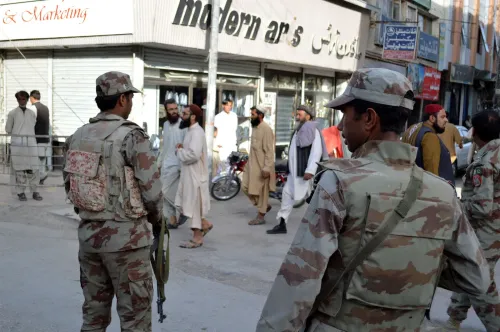
Law and order has been allocated Rs 107.92 billion, making it one of the single largest spending priorities in the budget. The scale of the security outlay reflects the province's prolonged insurgency and the state's continued prioritisation of counter-insurgency operations over social infrastructure.
Despite being Pakistan's largest province by area and one of its most resource-rich, Balochistan remains the country's most underdeveloped region, characterised by limited industrial activity, a weak private sector, and pervasive unemployment. The government has announced plans to create 5,000 new jobs, but analysts reportedly consider the figure far short of what is needed to address the scale of youth unemployment in the province.
Education and Health: High Allocations, Structural Gaps
The education sector has received its highest-ever allocation of Rs 157.29 billion. However, a significant portion of this funding is earmarked for salaries and routine expenditures, leaving limited capital for infrastructure upgrades or quality improvement. University teachers have reportedly faced delayed salaries, and facilities across the province remain inadequate.
The health sector has been allocated Rs 74 billion, but much of this too will be absorbed by salaries and recurring expenses rather than directed at expanding or modernising healthcare infrastructure, according to reports.
Opposition Calls Budget 'Anti-People'
Opposition voices have been unsparing. Provincial lawmaker Asad Baloch described the budget as 'anti-people' and alleged it had been drafted by individuals outside the elected government. He also questioned the distribution of resources, claiming that deputy commissioners had been allocated Rs 40 billion while elected public representatives received only Rs 20 billion — an imbalance he argued undermines democratic accountability.
Public dissatisfaction has extended well beyond government employees. Labourers, rickshaw drivers, and other ordinary residents have expressed disappointment, saying the budget fails to address the everyday economic hardships facing the province's most vulnerable communities. With structural challenges persisting and political tensions running high, the coming months will test whether the government can bridge the gap between its fiscal projections and ground-level expectations.
Point of View
But the scale — Rs 107 billion for law and order against Rs 74 billion for health — lays bare a governance model that responds to insurgency with force budgets rather than welfare investment. The 5,000-jobs announcement, against a backdrop of deep structural unemployment in Pakistan's largest province, risks being received as precisely the kind of performative gesture that has fuelled the very discontent authorities are trying to contain.
NationPress
4 Oct 2026
Frequently Asked Questions
What is the Balochistan budget for FY 2026-27?
The Balochistan government has presented a Rs 1.13 trillion budget for the fiscal year 2026-27, with total expenditure of Rs 1.09 trillion and a projected surplus of Rs 45.57 billion. The province will receive Rs 800.13 billion through the NFC Award and federal transfers.
Why are Balochistan government employees protesting the budget?
Employees of the Balochistan Employees' Grand Alliance protested against a proposed 7% salary increase, which they described as inadequate. The protest in Quetta led to clashes with police, arrests of alliance leaders, and a call for a shutdown of government offices and educational institutions.
Why is the budget being called 'anti-people'?
Opposition lawmaker Asad Baloch used the term, alleging the budget was drafted outside the elected government and that deputy commissioners were allocated Rs 40 billion compared to Rs 20 billion for elected representatives. Residents including labourers and rickshaw drivers also say the budget does not address their economic hardships.
How much has Balochistan allocated to education and health?
Education has received a record Rs 157.29 billion and health Rs 74 billion. However, reports indicate that a large share of both allocations will be spent on salaries and recurring costs rather than improving infrastructure or service quality.
How dependent is Balochistan on federal funding?
Balochistan will receive Rs 800.13 billion through its NFC Award share and other federal transfers — the dominant share of its total receipts of around Rs 1.1 trillion, highlighting its continued dependence on central government funding despite being Pakistan's largest and resource-rich province.