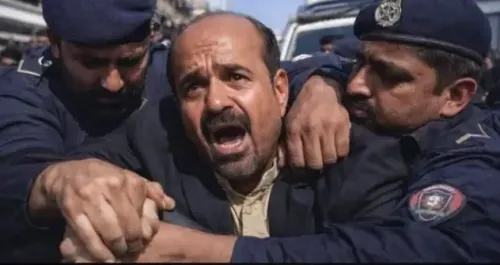
Balochistan govt employees announce indefinite shutdown after police crackdown in Quetta
Synopsis
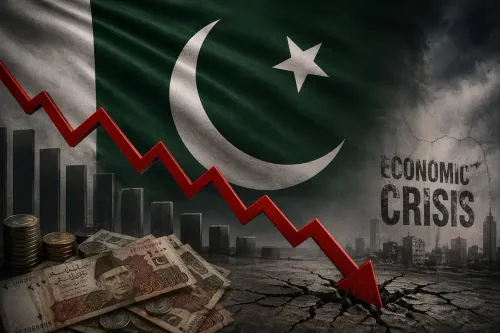
Balochistan's government employees have declared an indefinite shutdown and a hunger strike unto death after police tear-gassed a budget protest march in Quetta and arrested over 10 alliance leaders. With the provincial government offering only a 7% pay rise against demands for 35%, and similar unrest already simmering in Punjab, Pakistan's public sector wage crisis is rapidly becoming a national flashpoint.
Key Takeaways
The Balochistan Employees' Grand Alliance announced an indefinite shutdown of government offices, schools, and public departments on 18 June .
A hunger strike unto death is set to begin in Quetta on 19 June if demands are not met.
Police used tear gas near Chaman Phatak and arrested over 10 alliance leaders and workers .
The alliance has rejected the government's 7% salary increase , demanding a 35% disparity reduction allowance and a previously promised 25% hike .
Similar unrest was reported in Punjab on 2 June , with AGEGA demanding the 30% disparity allowance promised in Federal Budget 2025-26 be extended to all provinces.
The Balochistan Employees' Grand Alliance on 18 June announced an indefinite shutdown of government offices, educational institutions, and public sector departments across Pakistan's Balochistan province, following a police crackdown on protesters in Quetta. The alliance also declared that a hunger strike unto death would commence in Quetta on 19 June, warning that the movement would be intensified if their demands remain unmet.
What Triggered the Shutdown
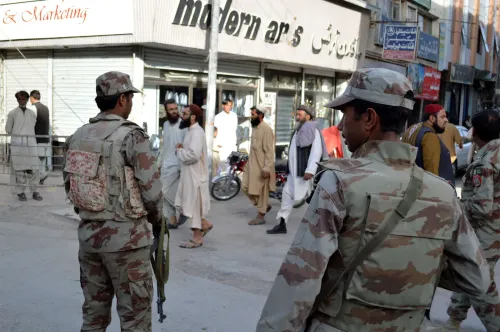
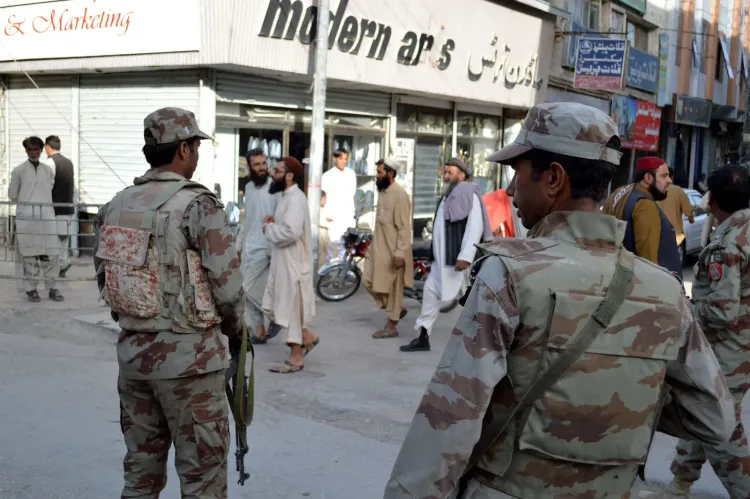
The escalation followed clashes between employees and police after authorities moved to block a planned march to the Balochistan Assembly during its ongoing budget session. A heavy contingent of police and Frontier Corps personnel was deployed to prevent the march. Near Chaman Phatak, where rallies from multiple parts of Quetta had converged, authorities used tear gas to disperse the crowd. According to reports, police arrested over 10 leaders and workers of the alliance during the crackdown.
The Alliance's Core Demands
The Balochistan Employees' Grand Alliance has rejected the seven per cent salary increase announced by the provincial government in its budget. In its place, the alliance is demanding a 35 per cent disparity reduction allowance and a previously promised 25 per cent salary hike. Alliance leaders described the police action as a 'violent crackdown' on peaceful protesters and said the protest campaign would continue until authorities agree to their demands, according to Pakistan-based daily Dawn.
Wider Employee Unrest Across Pakistan
This comes amid a broader wave of discontent among government employees across Pakistan. On 2 June, leaders of the All Government Employees Grand Alliance (AGEGA) in Punjab had warned that soaring inflation had severely eroded the purchasing power of government workers, making it difficult to manage household expenses. In a joint statement, AGEGA leadership noted that provincial employees — particularly in Punjab and other provinces — had not yet received the 30 per cent disparity allowance announced in the Federal Budget 2025-26, according to The Express Tribune.
AGEGA also flagged that recent amendments to leave encashment rules by the Punjab government had deprived employees of substantial retirement benefits. The alliance had urged Prime Minister Shehbaz Sharif to announce relief measures in the Federal Budget 2026-27, including extension of the 30 per cent disparity allowance to all provinces, an additional 15 per cent increase, and withdrawal of pension reforms.
What Employees Are Demanding Nationally
Beyond Balochistan, the demands circulating among employee alliances include the merger of all ad hoc relief allowances into basic pay scales, a comprehensive revision of pay structures, a minimum 50 per cent rise in salaries and pensions in line with current inflation levels, and at least a fivefold increase in house rent, medical, and conveyance allowances. The breadth of demands signals systemic stress in Pakistan's public sector wage structure.
What Happens Next
With the hunger strike set to begin on 19 June in Quetta and the indefinite shutdown already in effect, pressure on the Balochistan provincial government is set to mount sharply. How the authorities respond — whether through negotiation or further enforcement — will determine whether the unrest remains localised or spreads further across Pakistan's public sector.
Point of View
Suggesting the Centre's budget arithmetic has left a trail of unmet promises across provinces. If Islamabad cannot find a credible path to address the disparity allowance backlog, it risks a coordinated national public sector shutdown at a time when Pakistan's institutional stability can least afford it.
NationPress
19 Sept 2026
Frequently Asked Questions
Why have Balochistan government employees announced an indefinite shutdown?
The Balochistan Employees' Grand Alliance called the indefinite shutdown after police used tear gas and arrested over 10 of its leaders during a budget protest march in Quetta on 18 June. The alliance is protesting the provincial government's 7% salary increase, which it has rejected in favour of a 35% disparity reduction allowance and a previously promised 25% hike.
When does the hunger strike in Quetta begin?
The hunger strike unto death is scheduled to begin in Quetta on 19 June 2025. The alliance has warned it will intensify the movement if the authorities do not agree to their demands.
What happened at Chaman Phatak in Quetta?
Police and Frontier Corps personnel stopped the employees' march near Chaman Phatak, where rallies from different parts of Quetta had gathered. Authorities used tear gas to disperse the crowd and arrested over 10 alliance leaders and workers.
What are the main salary demands of the Balochistan employees?
The alliance has rejected the provincial budget's 7% salary increase and is demanding a 35% disparity reduction allowance and a 25% salary hike that was previously promised. Nationally, employee alliances are also seeking a minimum 50% rise in salaries and pensions and a fivefold increase in house rent, medical, and conveyance allowances.
Is this unrest limited to Balochistan?
No. On 2 June, the All Government Employees Grand Alliance (AGEGA) in Punjab raised similar concerns, noting that the 30% disparity allowance announced in the Federal Budget 2025-26 had not been extended to provincial employees. They urged Prime Minister Shehbaz Sharif to address the issue in the Federal Budget 2026-27, indicating widespread public sector discontent across Pakistan.