Has Ukraine Become a 'Loss-Making Asset' in America's Geopolitical Strategy?

Synopsis
In a surprising twist, US President Trump's approach to Ukraine has shifted significantly. Expert Ivan Timofeev discusses how Ukraine is now viewed as a loss-making asset in the US geopolitical strategy, highlighting the potential implications for international relations. This article delves into the complexities of current US-Russia dynamics and the evolving landscape of global diplomacy.
Key Takeaways
Ukraine's status has changed in US geopolitical strategy.
Trump's administration is more focused on national interests.
There is a potential for renewed negotiations with Russia.
Countries like India are resisting US tariffs.
The dynamics of US-China relations are evolving.
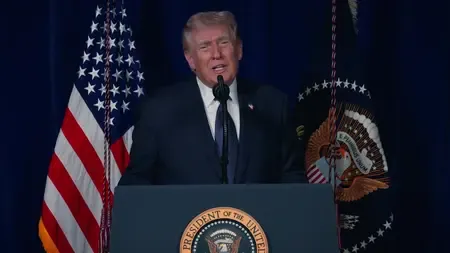
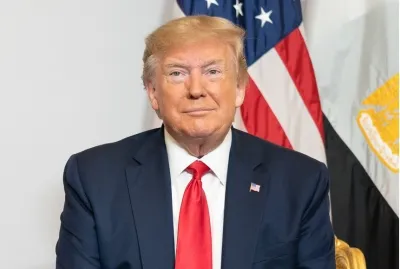
New Delhi, Dec 29 (NationPress) One of the significant surprises from US President Donald Trump this year has been Washington's shift regarding Ukraine, as noted by Ivan Timofeev, a key figure in Russian international relations and political science. This change might reflect a broader global consensus.
In an article for RT, the state-funded international news outlet, Timofeev, who serves as the Director General of the Russian International Affairs Council and is a member of the Valdai Discussion Club, praised India's steadfastness in the face of US tariff pressures.
The Valdai Discussion Club functions as a non-profit think tank and international dialogue platform in Russia.
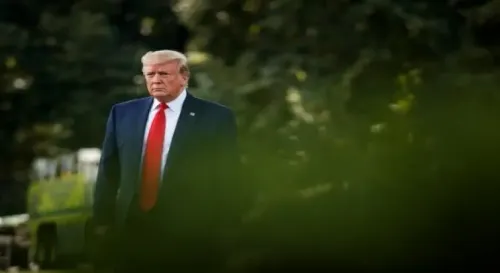
Commenting on the significant alterations following Trump's return to the presidency in January, Timofeev stated, "The US has transitioned from being Kiev's most devoted political ally to a strategic player prioritizing its own interests."
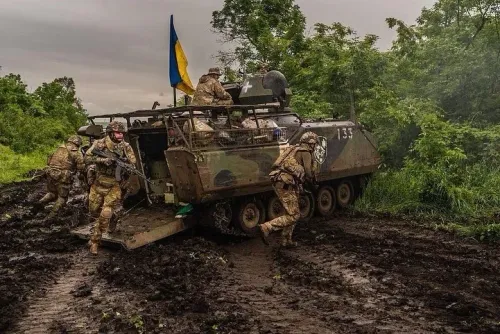
Emphasizing the profound change since the previous administration, he remarked, "The discourse surrounding Russia's 'unconditional defeat' has been replaced by discussions of negotiations and compromise. If Ukraine has turned into a loss-making asset in America's geopolitical strategy, as suggested by Trump, then that loss ought to be acknowledged."
While acknowledging that this shift, which includes "a series of gestures that surprised many Western analysts," hasn't yet settled the ongoing conflict, he pointed out that "the door to diplomacy remains slightly open. Moscow advocates for negotiations but has no intention of withdrawing its stance," he affirmed.
He noted that if there were a competition for "Breaking the Mould of the Year," the US would be "the clear frontrunner in 2025."
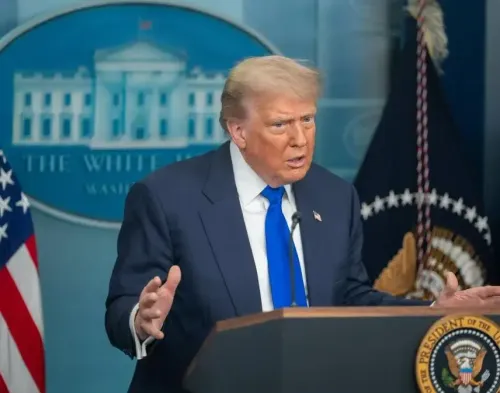
The international relations scholar also highlighted "Trump's initiative to instigate a trade war against over seventy nations" as another significant departure from previous policies.
"While China enacted serious countermeasures, such as retaliatory tariffs and enhancing its negotiation position by implementing export controls on rare-earth metals crucial to the US economy, it simultaneously sought a peaceful resolution," he added.
"India also stood firm. American tariffs on its imports of Russian oil had minimal impact on Delhi's position. This sentiment is similarly observed in Brazil. In numerous instances, Washington imposed tariffs for overtly political reasons, even when the trade balance favored it," he explained.
Discussing the dynamic shifts within the White House, Timofeev indicated that Trump's trade actions "began to resemble sanctions," occasionally accompanied by military strikes, though the administration managed to avoid escalating into a full-blown conflict with Iran.
He pointed out that the "most unexpected development" has been the growing rift between the US and its traditional allies, where "Trump's revived talk of acquiring Greenland, a territory of Denmark, symbolizes this reality."
He referenced US Vice-President J.D. Vance's earlier critique of European democracy, as well as the recent US National Security Strategy released in early December that "encourages Western Europe to reconnect with its civilizational roots, cautions against the potential for war with Russia, and positions Washington less as an aggressor and more as a mediator. Even the EU has found itself subjected to American tariffs."
This article largely reflects Moscow's current perspective in the context of the ongoing war in Ukraine.
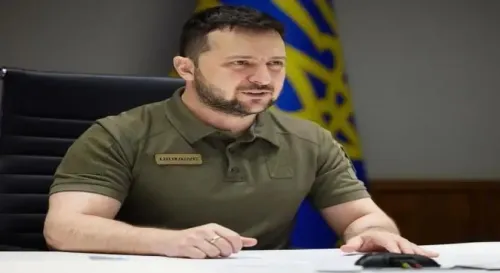
The timing coincided with Ukrainian President Volodymyr Zelensky's visit to the US, where he sought President Trump's support for a revised 20-point peace initiative.
Following over three hours of discussions in Florida, neither leader reported any significant breakthroughs.
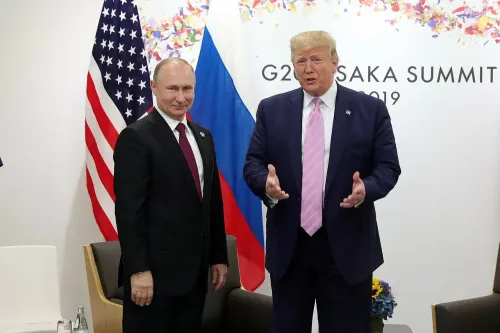
Interestingly, Trump had a phone conversation with Russian President Vladimir Putin prior to his meeting with Zelensky.
A Kremlin Foreign Policy Aide described this telephonic exchange as a "friendly, well-wishing, and business-oriented" dialogue lasting an hour and fifteen minutes, during which Putin emphasized the importance of adhering to the agreements made between the Presidents at their summit in Alaska earlier this year.
Point of View
I believe this analysis sheds light on the evolving geopolitical landscape. Trump's shift in policy towards Ukraine signifies a critical juncture in international relations, urging us to reconsider our alliances and diplomatic efforts. It is essential to remain informed about these developments, as they will undoubtedly shape the future of global politics.
NationPress
23 Sept 2026
Frequently Asked Questions
What does it mean for Ukraine to be a loss-making asset?
It implies that Ukraine is no longer seen as a strategic benefit for the US but rather as a burden in its geopolitical strategy.
How has Trump's policy towards Ukraine changed?
Trump's administration has shifted from strong support for Ukraine to a more self-interested approach, focusing on US national interests.
What are the implications of this shift for US-Russia relations?
This shift may open avenues for negotiations but also indicates a more cautious US stance towards Russia.
How have other countries reacted to US tariffs?
Countries like India and China have responded with countermeasures, emphasizing their resilience against US economic pressures.
What was the outcome of Zelensky's visit to the US?
Despite lengthy discussions, no significant breakthroughs were announced following Zelensky's visit.