Why Are UN Experts Alarmed by the Conviction of Pakistani Lawyers?
Synopsis
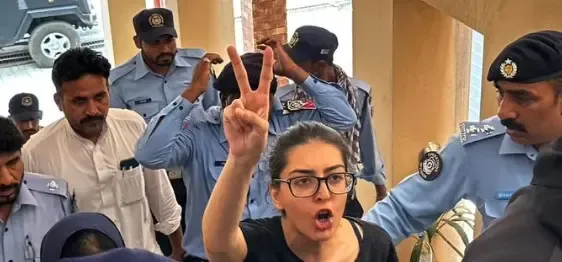
UN experts have expressed profound concern over the harsh sentencing of two Pakistani lawyers, Imaan Mazari-Hazir and Hadi Ali Chattha, for merely exercising their fundamental rights. This alarming situation highlights the broader implications for human rights advocacy in Pakistan.
Key Takeaways
UN experts express alarm over the convictions of Pakistani lawyers.
Lengthy sentences imposed for exercising rights under international law.
The case reflects a troubling trend of harassment against human rights defenders.
Concerns raised about the fairness of the legal proceedings.
Importance of safeguarding the rights of legal professionals in Pakistan.
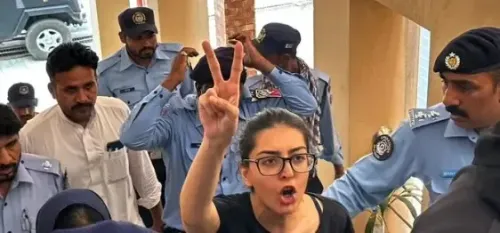
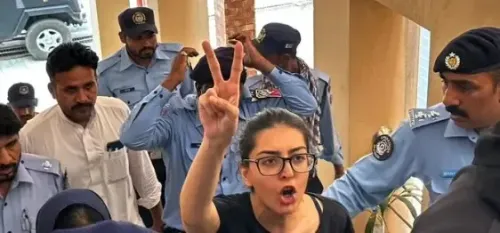
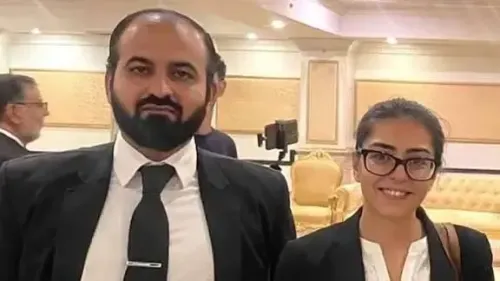
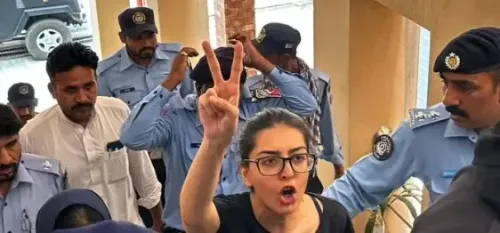
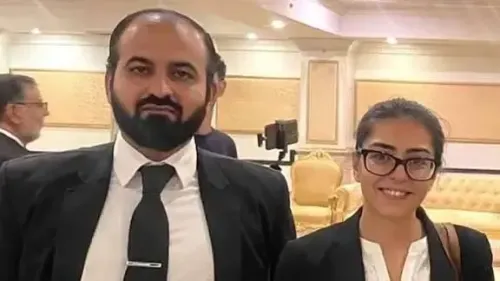
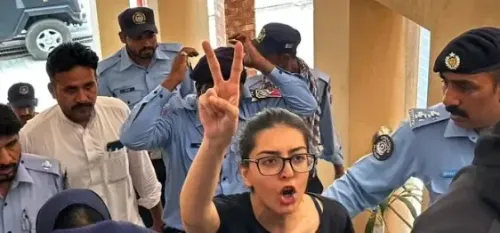
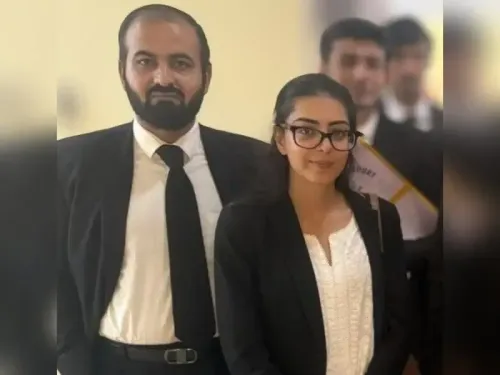
Geneva, Feb 4 (NationPress) A group of experts from the United Nations (UN) raised concerns on Wednesday regarding the sentencing of Pakistani lawyers and human rights advocates Imaan Mazari-Hazir and Hadi Ali Chattha. They received lengthy prison terms on multiple criminal charges simply for exercising their rights as protected by international human rights law.
The experts stated, "Lawyers, akin to any other individual, possess the right to freedom of expression. This fundamental right should never be equated with criminal behavior, particularly not with acts of terrorism." They pointed out the broad and ambiguous definitions of terrorism-related crimes under Pakistan’s counter-terrorism legislation.
They further warned, "Such conflation risks undermining and criminalizing the efforts of lawyers and human rights defenders throughout Pakistan, creating a chilling effect on civil society." This statement was made public through the Office of the High Commissioner for Human Rights (OHHCR), which is the primary UN body overseeing human rights.
The charges against Mazari-Hazir were initiated in August 2025, stemming from her posts on X, while Chattha faced legal repercussions for sharing and reposting her content. On January 24 of this year, both were found guilty under sections 9 (glorification of an offence), 10 (cyber-terrorism), and 26-A (false and fake information) of Pakistan’s Prevention of Electronic Crimes Act 2016. Each received numerous concurrent prison sentences, totaling 17 years, with a maximum of 10 years for the cyber-terrorism charge, alongside fines of 36 million rupees each.
The UN experts noted that this is not the first time these lawyers have faced legal actions; they have been subjected to 10 criminal complaints since 2022, with some still unresolved. They have never been previously convicted of any crime.
The experts remarked, "This pattern of prosecutions indicates an arbitrary application of the legal system as a means of harassment and intimidation, aimed at penalizing them for advocating for victims of alleged human rights abuses." They emphasized that governments must safeguard lawyers from prosecution for their professional activities and ensure that lawyers are not conflated with their clients.
The legal proceedings against Mazari-Hazir and Chattha progressed alarmingly quickly, with reports indicating they were given insufficient time to prepare their defense. They encountered difficulties in securing legal representation of their choice, and evidence was presented by prosecution witnesses in their absence.
The experts remarked, "International standards outline a set of procedural guarantees that should be afforded to anyone charged with a criminal offense, but these seem to have been compromised in this instance." They warned that these violations pose a serious threat to the fairness of the trial and the subsequent convictions.
Among the UN experts voicing these concerns were Margaret Satterthwaite (Special Rapporteur on the independence of judges and lawyers), Ben Saul (Special Rapporteur on promoting and protecting human rights while countering terrorism), Mary Lawlor (Special Rapporteur on the situation of human rights defenders), Irene Khan (Special Rapporteur on freedom of opinion and expression), and Gina Romero (Special Rapporteur on the rights to peaceful assembly and association). They have also reached out to Pakistan regarding their worries, as stated by the OHHCR.
Point of View
I firmly believe in standing with the nation while advocating for fundamental human rights. The alarming convictions of these lawyers not only reflect a concerning trend but also emphasize the need to protect legal advocates from undue persecution in Pakistan. It's our duty to ensure justice prevails and rights are safeguarded.
NationPress
24 Sept 2026
Frequently Asked Questions
What were the charges against Imaan Mazari-Hazir and Hadi Ali Chattha?
They were convicted on multiple charges, including glorification of an offence, cyber-terrorism, and false information under Pakistan's Prevention of Electronic Crimes Act 2016.
How long were their prison sentences?
Both lawyers received sentences totaling 17 years, with the longest being a 10-year term for cyber-terrorism.
What has been the reaction from UN experts?
UN experts have raised serious concerns over the implications of these convictions for human rights advocacy in Pakistan, emphasizing the need to uphold the rights of legal professionals.
Why is this case significant?
This case highlights the increasing risks faced by lawyers and human rights defenders in Pakistan, raising alarms about the potential infringement on civil liberties.
What does this mean for civil society in Pakistan?
The convictions create a chilling effect on civil society, as they could discourage individuals from advocating for human rights due to fear of legal repercussions.