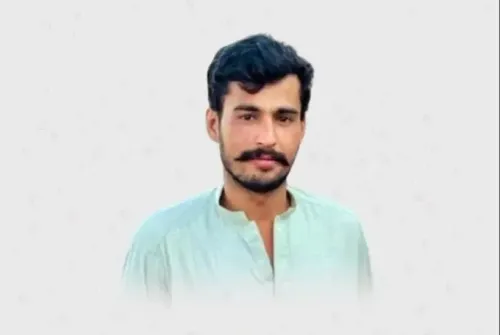
UN experts flag extrajudicial killing of Baloch civilian Imran Ali by Pakistani forces
Synopsis
UN human rights experts have flagged the enforced disappearance, torture, and alleged extrajudicial killing of Baloch civilian Imran Ali — abducted by Pakistan's Counter-Terrorism Department in August 2025, killed in custody by May 2026, and buried without family notification. The case, they warn, is part of a widespread and escalating pattern of unlawful detention and collective punishment in Balochistan.
Key Takeaways
UN experts on 4 September called on Islamabad to investigate the enforced disappearance and extrajudicial killing of Baloch civilian Imran Ali .
Ali was allegedly abducted by approximately 20 agents of Pakistan's Counter-Terrorism Department on 27 August 2025 .
A police officer told Pakistan's Commission of Inquiry that Ali was killed in an alleged encounter in May 2026 ; his body was buried in June 2026 without family notification.
Ali's body was reportedly brought to a hospital alongside six other undocumented bodies , raising further concerns about additional disappearance victims.
UN experts warned the case reflects a 'widespread and escalating' pattern of unlawful detention, torture, and extrajudicial killing of Baloch people.
United Nations human rights experts on Friday, 4 September expressed grave concern over the alleged enforced disappearance, torture, and extrajudicial killing of Baloch civilian Imran Ali by Pakistani security forces in Balochistan, calling on Islamabad to launch a prompt, thorough, and impartial investigation into the circumstances of his detention and death. The statement was issued from Geneva.
What Happened to Imran Ali
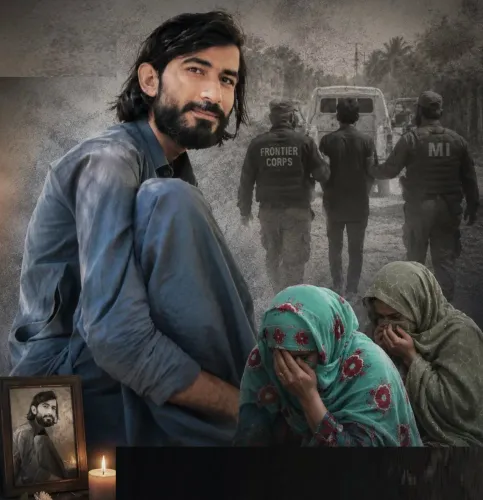
According to the UN experts, on 27 August 2025, Ali was abducted from his home by approximately 20 agents from Pakistan's Counter-Terrorism Department and taken to an undisclosed location. His family received no official information about his fate or whereabouts for nearly one year. Individuals who had been detained alongside Ali confirmed after their release that he had been held in custody and was reportedly tortured for several days.
During a hearing before Pakistan's Commission of Inquiry on Enforced Disappearances last month, a police officer stated that Ali had been killed in an alleged encounter in May 2026. Authorities said it took approximately one month to identify his body, and claimed they were unable to preserve his remains — subsequently burying him in June 2026 without notifying his family.
Concerns Over Undocumented Bodies
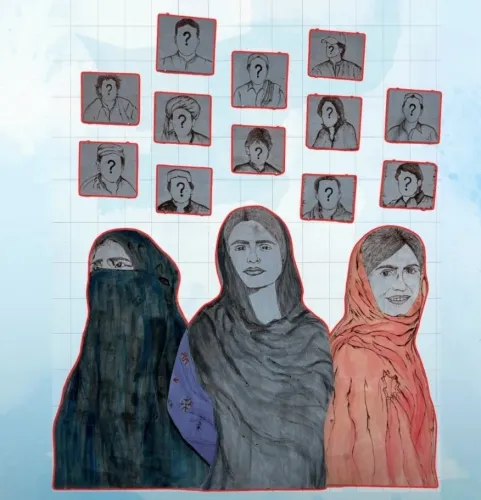
The experts noted that Ali's body was reportedly brought to a hospital alongside six other bodies, none of which were documented or reported by hospital staff or police. All were buried without proper identification or family notification. 'Given the pattern of enforced disappearances in Balochistan, there are serious concerns that the other bodies may also belong to victims of enforced disappearances,' the experts stated.
What the UN Experts Said
The experts invoked international law in their assessment, stating: 'Any deprivation of liberty followed by the authorities' refusal to acknowledge the detention or by the concealment of the fate or whereabouts of that person is an enforced disappearance, and it places victims outside the protection of the law, in violation of a peremptory norm of international law.'
They called for the investigation to include independent forensic examinations, proper identification of Ali's body, its dignified return to his family, and accountability for those responsible.
A Pattern of Violations, Experts Warn
The UN experts warned that Ali's case is not isolated but reflects what they described as a 'widespread and escalating practice' of unlawful detention — including under 'vague and overbroad counter-terrorism provisions' — alongside torture, enforced disappearance, and extrajudicial killing targeting Baloch people. These violations, they said, follow reports of intensified Pakistani military and security operations in Balochistan, amid widespread allegations of 'collective punishment' by Pakistani authorities. This is not the first time the UN has raised alarms over enforced disappearances in the region; rights groups have documented hundreds of such cases over the past two decades.
What Comes Next
Islamabad has not yet issued a formal response to the UN experts' statement. The experts' call for an independent investigation puts fresh international pressure on Pakistan at a time when its human rights record in Balochistan faces growing scrutiny from global bodies and civil society organisations alike.
Point of View
Not merely expressing concern. The detail that six other undocumented bodies were buried alongside Ali without family notification is the most alarming element, and it has received far less attention than the individual case. Pakistan's use of counter-terrorism provisions to detain and disappear civilians in Balochistan has been flagged repeatedly by rights bodies, yet accountability mechanisms remain absent. The real question is whether this statement translates into any formal UN Human Rights Council process, or remains another entry in a long record of unanswered concerns.
NationPress
4 Sept 2026
Frequently Asked Questions
Who was Imran Ali and what happened to him?
Imran Ali was a Baloch civilian who was allegedly abducted from his home in Balochistan on 27 August 2025 by approximately 20 agents of Pakistan's Counter-Terrorism Department. He was reportedly tortured in custody and killed in an alleged encounter in May 2026, with his body buried in June 2026 without his family being informed.
What have UN experts demanded from Pakistan?
UN human rights experts have called on Islamabad to conduct a prompt, thorough, independent, and impartial investigation into Imran Ali's detention and death. They have specifically demanded independent forensic examinations, proper identification of his body, its dignified return to his family, and accountability for those responsible.
Why are the six other bodies significant?
Ali's body was reportedly brought to a hospital alongside six other bodies, none of which were documented or reported by hospital staff or police, and all were buried without identification or family notification. UN experts said there are serious concerns that these individuals may also be victims of enforced disappearances in Balochistan.
Is this an isolated incident or part of a broader pattern?
UN experts explicitly warned that Imran Ali's case is not isolated. They described it as part of a widespread and escalating practice of unlawful detention, torture, enforced disappearance, and extrajudicial killing targeting Baloch people, linked to intensified Pakistani military operations and allegations of collective punishment in Balochistan.
What is Pakistan's position on enforced disappearances in Balochistan?
Pakistan has a Commission of Inquiry on Enforced Disappearances, before which a police officer acknowledged Ali's killing as an alleged encounter. However, Islamabad has not publicly responded to the latest UN experts' statement, and international rights groups have long criticised the commission's independence and effectiveness.