Fossil fuels driving climate crisis, says UN chief Guterres
Synopsis
The UN General Assembly voted 141-8 to formally endorse the ICJ's landmark advisory opinion on states' climate obligations — and Secretary-General Guterres used the moment to name fossil fuels as the principal driver of the crisis. It is the clearest legal-political signal yet that international accountability for climate inaction is no longer just rhetoric.
Key Takeaways
UN Secretary-General Antonio Guterres identified fossil fuels as the principal driver of the climate crisis on 21 May .
The UNGA adopted a resolution welcoming the ICJ advisory opinion on states' climate obligations by 141 votes in favour , 8 against , and 28 abstentions .
The ICJ advisory opinion , issued in July 2025 , calls on all states to protect the climate system from anthropogenic greenhouse gas emissions.
Guterres stressed that keeping warming to 1.5°C remains the central task, and that renewables are now the cheapest and most secure energy source.
The resolution is non-binding but significantly raises political and legal pressure on major emitters to align with international climate law.
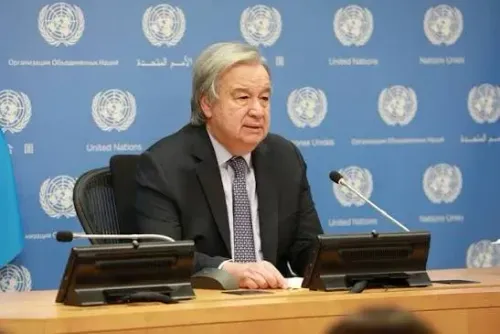
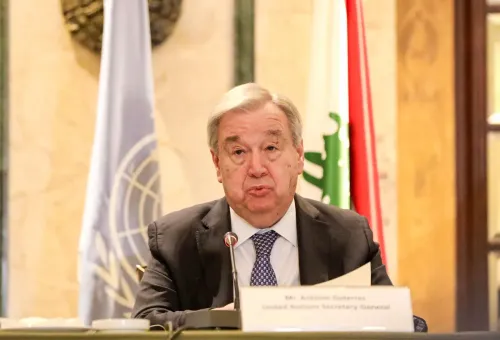
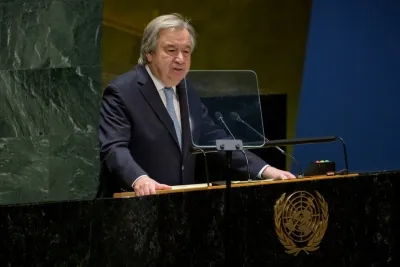
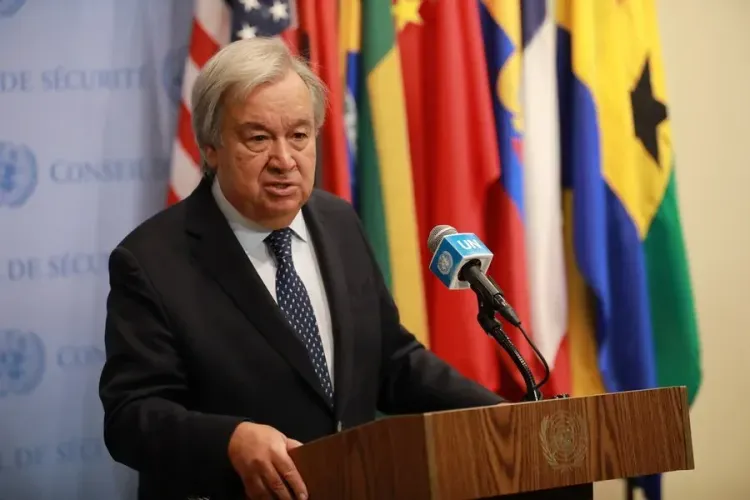
UN Secretary-General Antonio Guterres on Wednesday, 21 May declared that fossil fuels are the principal driver of the climate crisis, calling for a rapid and equitable global transition to renewable energy. His remarks came as the UN General Assembly (UNGA) adopted a landmark resolution welcoming the International Court of Justice (ICJ) advisory opinion on states' obligations in respect of climate change.
What the UNGA Resolution Says
The UNGA adopted the draft resolution by a recorded vote of 141 in favour, eight against, and 28 abstentions. The resolution formally welcomes the ICJ's advisory opinion of July 2025, affirms it as an authoritative contribution to the clarification of existing international law, and calls upon all states to comply with their obligations under international law to protect the climate system from anthropogenic greenhouse gas emissions.
Guterres: 'Injustice Must End'
Welcoming the adoption, Guterres described the resolution as 'a powerful affirmation of international law, climate justice, science, and the responsibility of states to protect people from the escalating climate crisis.' He stressed that those least responsible for climate change are paying the highest price, adding: 'That injustice must end.'
The UN chief reiterated that the path to climate justice runs through 'a rapid, just, and equitable transition away from fossil fuels towards renewable energy,' and underscored that renewables are now the cheapest and most secure form of energy supply.
The 1.5°C Imperative
Guterres framed the task ahead as keeping the 1.5°C warming threshold within reach — the target embedded in the Paris Agreement — while building what he called 'a safer, fairer, and more resilient future for all.' The ICJ opinion, issued in July 2025, represents one of the most significant legal clarifications on climate obligations in recent years, and the UNGA resolution elevates its standing as a reference point for international climate accountability. Notably, this is the first time the General Assembly has formally welcomed an ICJ advisory opinion of this kind, signalling a broader shift toward using international legal mechanisms to enforce climate commitments.
Significance and What Comes Next
The resolution does not carry binding legal force in itself, but it amplifies political pressure on states — particularly large fossil fuel producers — to align domestic policy with international climate law. Climate advocates argue the ICJ opinion, now endorsed by a supermajority of UN member states, strengthens the legal foundation for future litigation against governments that fail to curb emissions. The eight votes against and 28 abstentions, however, signal that consensus on enforcement remains elusive. All eyes will now turn to how major emitters respond and whether the ICJ opinion is cited in domestic and international climate lawsuits in the months ahead.
Point of View
But the 28 abstentions — likely including several large emerging economies — reveal the fault line that will define climate diplomacy for the next decade: who bears the cost of transition, and who decides. Guterres' framing of fossil fuels as the 'principal driver' is legally and scientifically uncontroversial, yet politically charged in a year when several G20 members have expanded oil and gas licensing. The ICJ opinion's elevation to a UNGA-endorsed reference text matters because it hands climate litigants a stronger legal hook in domestic courts. The real test is whether this momentum translates into enforceable commitments or remains, as past UN climate milestones often have, a statement of intent without a compliance mechanism.
NationPress
26 Sept 2026
Frequently Asked Questions
What did UN Secretary-General Guterres say about fossil fuels?
Guterres stated that fossil fuels are the principal driver of the climate crisis and called for a rapid, just, and equitable transition to renewable energy. He made the remarks on 21 May in response to the UNGA adopting a resolution on the ICJ's advisory opinion on states' climate obligations.
What is the UNGA resolution on climate change adopted on 21 May?
The resolution formally welcomes the ICJ's July 2025 advisory opinion on the obligations of states in respect of climate change, affirms its authority as a clarification of international law, and calls on all states to comply with their climate-related legal obligations. It passed by 141 votes in favour, 8 against, and 28 abstentions.
What is the ICJ advisory opinion on climate change?
The International Court of Justice issued an advisory opinion in July 2025 outlining the obligations of states to protect the climate system from anthropogenic greenhouse gas emissions under existing international law. While advisory opinions are not binding, they carry significant legal and political weight as authoritative interpretations of international law.
What is the significance of the 1.5°C target mentioned by Guterres?
The 1.5°C threshold refers to the limit on global average temperature rise above pre-industrial levels set under the Paris Agreement. Guterres described keeping this target within reach as the central task ahead, warning that exceeding it would have severe consequences for the world's most vulnerable populations.
Does the UNGA resolution legally bind countries to cut emissions?
No, the resolution is not legally binding in itself. However, it amplifies political pressure on states and strengthens the legal foundation for climate litigation by formally endorsing the ICJ's advisory opinion as an authoritative reference point under international law.