UN Security Council Raises Alarm Over Violence in Sudan
Synopsis
The UN Security Council has urgently called for an end to the escalating violence in Sudan, emphasizing the need for immediate humanitarian access and accountability for violations against civilians. This situation highlights the pressing need for international attention and intervention.
Key Takeaways
UN Security Council calls for an immediate end to violence in Sudan.
Condemnation of attacks on humanitarian workers and civilians.
Highlighting the humanitarian crisis, including severe food insecurity.
Support for a humanitarian truce leading to a ceasefire.
Emphasis on accountability for violations against civilians.
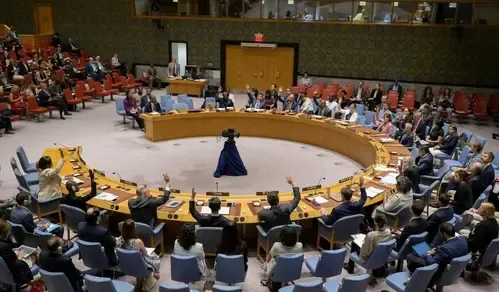
United Nations, Feb 25 (NationPress) The UN Security Council has voiced serious apprehension regarding the ongoing violence in Sudan, particularly in the regions of Kordofan and Darfur, urging all conflicting parties to cease hostilities without delay.
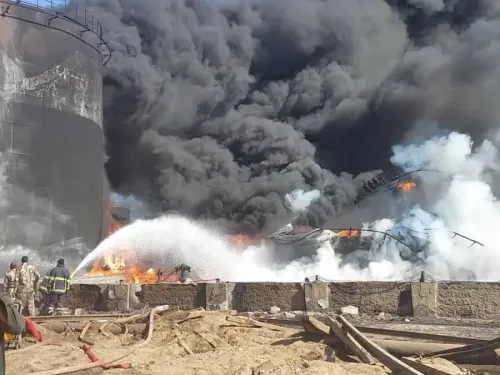
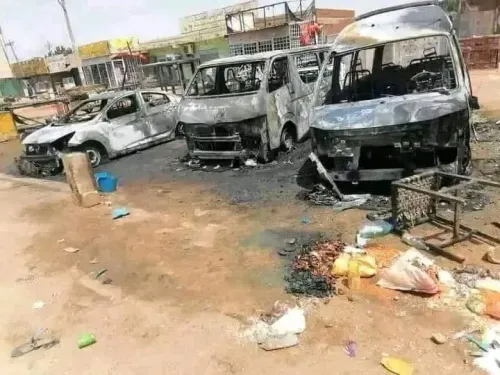
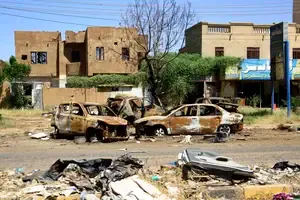
In a statement issued on Tuesday, Security Council members condemned the alarming reports of persistent drone strikes targeting civilians, critical infrastructure, and humanitarian workers, alongside various properties, including several assaults on the World Food Programme since early February 2026.
"Intentional assaults on humanitarian workers, their facilities, and resources may amount to war crimes," the council members asserted, insisting that all parties adhere to international regulations and pertinent UN resolutions.
They also denounced the actions of the Sudanese Rapid Support Forces (RSF), highlighting their attacks on civilians, wrongful detentions, and instances of conflict-related sexual violence, while calling for accountability.
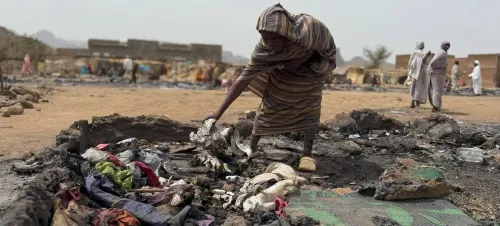
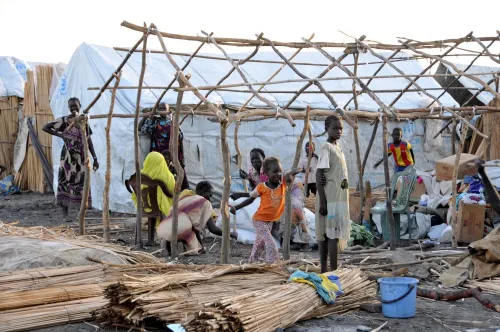
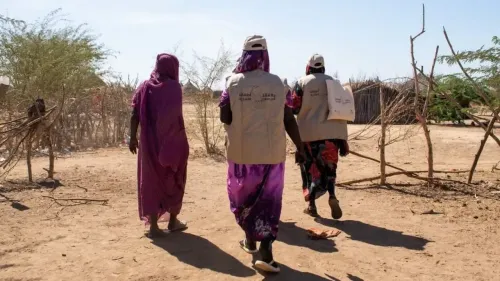
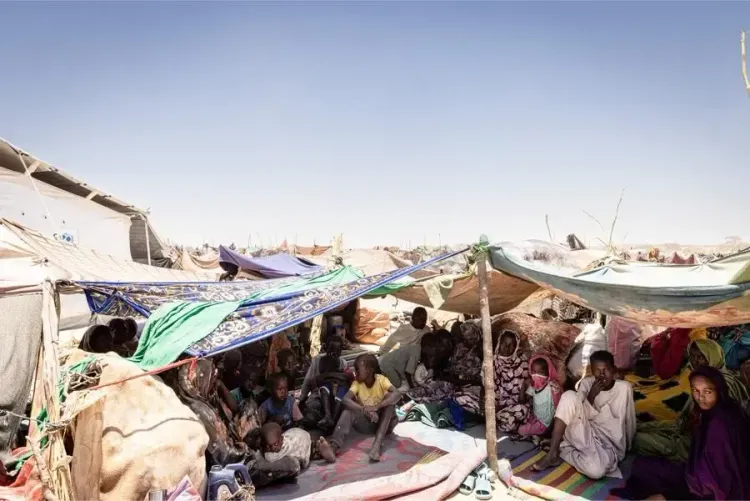
The council expressed substantial concern regarding the famine and severe food insecurity resulting from the conflict, demanding safe and unobstructed access for humanitarian aid as well as civilian movements.
Members of the council praised the agreement on a humanitarian ceasefire, which is expected to facilitate an immediate cessation of hostilities, reduce tensions, mitigate regional repercussions, and foster an inclusive, civilian-led transition towards a peaceful, stable, and prosperous future for the Sudanese people, aligned with the principles of national ownership, as reported by the Xinhua news agency.
They urged all member states of the UN to avoid external interference that may exacerbate conflict and instability, to support initiatives aimed at achieving lasting peace, to fulfill their international legal obligations, and to implement relevant Security Council resolutions.
Reaffirming their dedication to the sovereignty, independence, unity, and territorial integrity of Sudan, they reiterated their opposition to the establishment of a parallel governance structure in regions controlled by the RSF.
Point of View
I believe it is crucial to prioritize the humanitarian needs and rights of the Sudanese people amidst this ongoing conflict. The UN's strong stance reflects the urgent call for accountability and the necessity of a peaceful resolution that respects Sudan's sovereignty and territorial integrity.
NationPress
14 Oct 2026
Frequently Asked Questions
What is the UN Security Council's position on the violence in Sudan?
The UN Security Council has expressed serious concern over the ongoing violence in Sudan, calling for an immediate halt to hostilities and urging accountability for violations against civilians.
What actions have been condemned by the UN Security Council?
The council condemned drone attacks on civilians and humanitarian workers, as well as the actions of the Rapid Support Forces against civilians, including arbitrary detentions and sexual violence.
What humanitarian issues are being highlighted?
The council emphasized the severe food insecurity and famine caused by the conflict, demanding safe and unobstructed access for humanitarian aid.
What is the significance of the humanitarian truce agreement?
The humanitarian truce is seen as a critical step towards an immediate ceasefire and aims to de-escalate the situation while supporting a civilian-led transition in Sudan.
How can the international community assist Sudan?
The international community is urged to refrain from interfering in Sudan's internal affairs and to support efforts aimed at achieving a lasting peace in the region.