Farakka Water Treaty row: Lalu Prasad attacks JD-U, Sanjay Jha hits back
Synopsis
The Farakka Water Treaty has become Bihar's newest political battleground. Lalu Prasad Yadav branded JD-U's Sanjay Jha a 'novice' on the issue, only for Jha to remind voters that Lalu was at the Centre when the controversial 1996 pact was signed — a counter that cuts to the heart of both parties' credibility on Bihar's chronic flood and drought crisis.
Key Takeaways
RJD chief Lalu Prasad Yadav on 22 August attacked JD-U Working President Sanjay Jha , calling him a political 'novice' on the Farakka Water Treaty .
Lalu also targeted former Bihar CM Nitish Kumar , alleging he remained silent on Farakka in Parliament.
JD-U MP Sanjay Jha countered that Lalu Prasad was an influential Central figure when the 1996 Ganga Water Treaty with Bangladesh was signed and questioned why stronger opposition was not raised then.
The Farakka Barrage has been linked to recurring floods and droughts in Bihar for over three decades.
Lalu cited letters by former Bihar Irrigation Minister Jagdanand Singh and a Parliament speech demanding treaty cancellation as evidence of early RJD opposition.
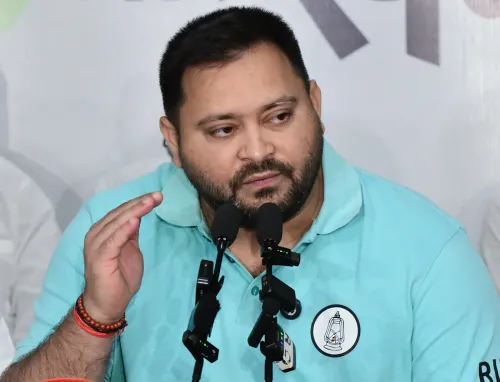
Rashtriya Janata Dal (RJD) National President Lalu Prasad Yadav on Saturday, 22 August launched a sharp attack on Janata Dal-United (JD-U) Working President Sanjay Jha over the Farakka Water Treaty, calling him a political 'novice' and accusing the JD-U leadership of misreading the historical and geographical dimensions of the decades-old water-sharing dispute. The exchange has reignited a bitter inter-party row in Bihar over floods, drought, and the management of the Ganga.
Lalu's Broadside Against JD-U
Without naming Jha directly in his public remarks, Lalu Prasad alleged that the JD-U leader was making statements about the treaty without adequately examining the facts. The RJD supremo claimed his party had anticipated the adverse impact of the Farakka Barrage on Bihar decades ago and had consistently opposed it both inside Parliament and through public protests.
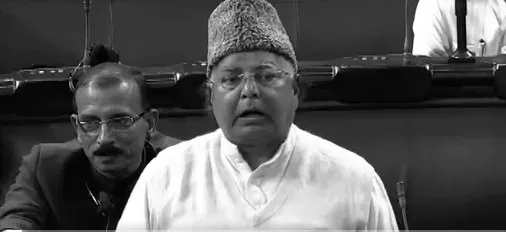
In a post on social media platform X, Lalu Prasad also targeted Nitish Kumar, alleging that the former Bihar Chief Minister had remained silent on the Farakka issue in Parliament and had failed to engage with it as a long-term concern for the state. He shared a video of an earlier Parliament speech in which he had demanded the cancellation of the treaty, describing it as against India's national interest.
Lalu Prasad also advised JD-U leaders to consult documents maintained by Bihar's Water Resources Department, data on water availability in the Ganga, and the implications of the agreement with Bangladesh before making public statements. He referred to letters written to the Central government by Jagdanand Singh, who served as Bihar's Irrigation Minister at the time, as evidence of the RJD's early opposition to the barrage.
Jha Turns the Tables on RJD
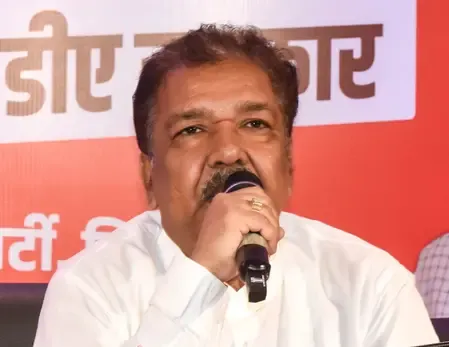
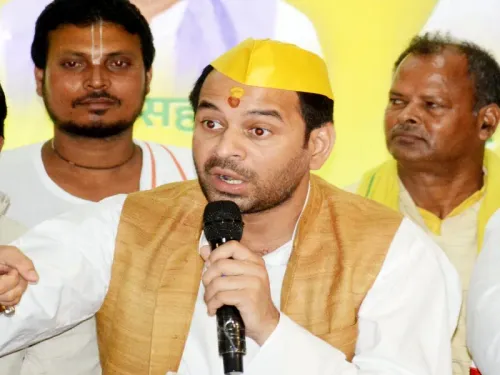
JD-U Rajya Sabha MP Sanjay Jha, who has been consistently raising concerns over the alleged adverse impact of the Farakka Barrage on Bihar, pushed back sharply. Jha pointed out that Lalu Prasad Yadav was an influential political figure at the Centre when the United Front government signed the water-sharing agreement with Bangladesh in 1996, and questioned why stronger opposition was not mounted by the Bihar government at that time.
According to Jha, had Bihar firmly opposed the agreement during negotiations, the state might have avoided what he described as three decades of combined flooding and drought. His remarks sought to shift accountability squarely onto the political leadership that held sway when the treaty was finalised.
The Farakka Fault Line in Bihar Politics
The Farakka Barrage, constructed on the Ganga near the West Bengal-Bangladesh border, has long been a contentious issue for downstream Bihar. Critics argue the barrage has contributed to recurring flooding in north Bihar by raising the riverbed, while simultaneously reducing water availability during dry seasons. The 1996 Ganga Water Treaty between India and Bangladesh, which governs water-sharing at Farakka, has periodically resurfaced as a political flashpoint in the state.
This is not the first time the Farakka issue has been weaponised in Bihar's political arena, but the current exchange is notable for its intensity and the direct involvement of senior leaders from both the RJD and JD-U — two parties that were once coalition partners and now sit on opposite sides of the state's political divide.
What Comes Next
Both sides appear unlikely to stand down. The RJD has framed the issue as one of historical record and institutional memory, while the JD-U is using it to question the RJD's credibility on governance during the 1990s. With Bihar facing another active flood season, the Farakka debate is expected to remain a live political issue in the weeks ahead, potentially feeding into broader opposition narratives ahead of the next electoral cycle.
Point of View
But neither party emerges with clean hands. Lalu Prasad's claim of early opposition is complicated by the fact that RJD was part of the United Front coalition that signed the 1996 treaty — a contradiction Jha has effectively exploited. Meanwhile, JD-U's sudden urgency on Farakka, after years of the NDA government at the Centre, invites its own scrutiny. Bihar's flood and drought crisis is real and structural; reducing it to an inter-party blame game risks obscuring the urgent policy action the state actually needs on water management.
NationPress
6 Oct 2026
Frequently Asked Questions
What is the Farakka Water Treaty row in Bihar about?
The row centres on the 1996 Ganga Water Treaty between India and Bangladesh, which governs water-sharing at the Farakka Barrage. RJD chief Lalu Prasad Yadav and JD-U's Sanjay Jha are trading accusations over which party bears responsibility for Bihar's long-standing flooding and water scarcity problems linked to the barrage.
What did Lalu Prasad Yadav say about JD-U and Sanjay Jha?
Lalu Prasad called Sanjay Jha a political 'novice' and alleged he lacked understanding of the historical and geographical dimensions of the Farakka issue. He also accused former Bihar CM Nitish Kumar of remaining silent on the matter in Parliament and urged JD-U leaders to consult Bihar's Water Resources Department records before commenting.
How did Sanjay Jha respond to Lalu Prasad's attack?
JD-U Rajya Sabha MP Sanjay Jha pointed out that Lalu Prasad was an influential leader at the Centre when the United Front government signed the 1996 water-sharing agreement with Bangladesh, and questioned why stronger opposition was not raised at that time. He argued that firm opposition then could have spared Bihar three decades of combined flooding and drought.
Why is the Farakka Barrage controversial for Bihar?
Critics argue the Farakka Barrage has raised the Ganga riverbed over decades, contributing to recurring floods in north Bihar, while reducing water availability during dry seasons. The 1996 treaty's water-allocation formula has been a source of ongoing grievance for the state.
Who is Jagdanand Singh and why did Lalu mention him?
Jagdanand Singh served as Bihar's Irrigation Minister and reportedly wrote letters to the Central government opposing the Farakka agreement. Lalu Prasad cited these letters as evidence that the RJD had flagged concerns about the treaty's impact on Bihar long before the current political dispute.