Is 1.7 Million Children in Afghanistan Facing Severe Malnutrition?
Click to start listening
Synopsis
The United Nations has raised alarms about the severe malnutrition crisis affecting 1.7 million Afghan children. With food insecurity worsening and aid operations hampered, urgent action is needed to prevent a humanitarian catastrophe. This article delves into the alarming statistics and the critical response required to address this crisis.
Key Takeaways
- 1.7 million children in Afghanistan are at risk of death due to severe malnutrition.
- Food insecurity and aid shortages are exacerbating the crisis.
- 303 nutrition service centres have been closed due to funding issues.
- The international community is urged to provide more funding for humanitarian operations.
- Malnutrition levels among children could reach unprecedented heights.
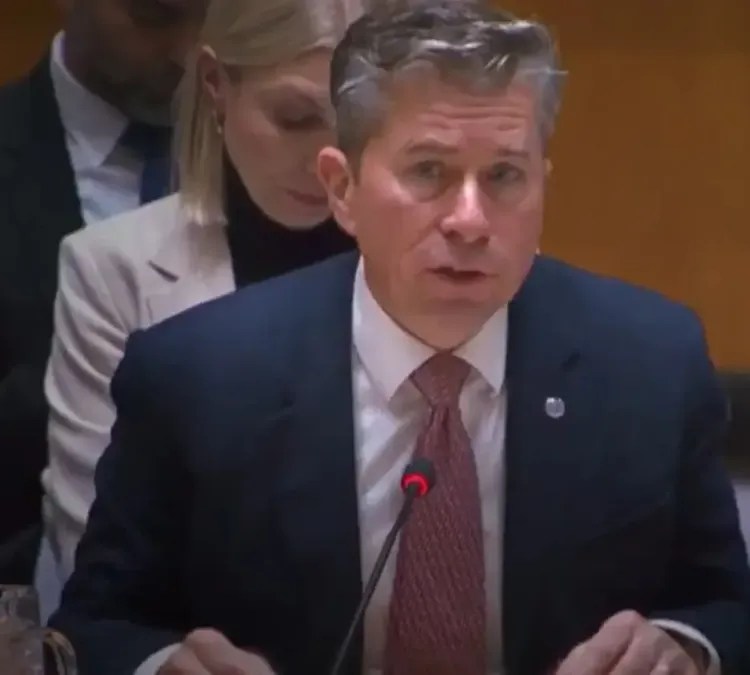
Kabul, Dec 11 (NationPress) The humanitarian chief of the United Nations (UN), Tom Fletcher, has issued a dire warning that 1.7 million children in Afghanistan are at grave risk of death due to severe malnutrition, describing the circumstances as “shocking.”
During a United Nations Security Council (UNSC) briefing on Wednesday, Fletcher highlighted that food insecurity has worsened this winter, with many crucial food distributions halted. He noted that 1.1 million children lack access to essential aid, placing them in an extremely vulnerable position, as reported by Afghanistan's leading news agency Khaama Press.
The UN official pointed out that 303 nutrition service centres have been closed due to a lack of funding, further limiting emergency care for malnourished children. He emphasized that removing restrictions on women and girls is essential for effective aid operations.
Fletcher also condemned the Taliban's restrictions on women working in UN offices, labeling them as “unacceptable,” and warned that these limitations are affecting vital humanitarian services. He urged the international community to increase funding to sustain aid programs.
On December 7, the World Food Programme (WFP) cautioned that hunger levels in Afghanistan are rising at an alarming pace as winter approaches.
In a statement, the WFP indicated that malnutrition levels among children and women could reach extremes “not seen in recent years,” as reported by Khaama Press.
WFP Executive Director Carl Skau mentioned that the agency has been compelled to reduce food assistance from 10 million individuals to 2 million due to funding deficits. He warned that many children may face life-threatening conditions and potential death from malnutrition and exposure during the winter months.
This alarming announcement coincides with the UN's previous statement that around 3.5 million children in Afghanistan under the age of five are suffering from acute malnutrition.
Humanitarian workers have asserted that Afghanistan remains one of the most food-insecure countries worldwide, with factors such as drought, economic collapse, and aid restrictions further aggravating the crisis.
Point of View
It is alarming to witness the scale of suffering faced by children in Afghanistan due to malnutrition. This crisis calls for urgent and unified efforts from the international community to provide the necessary support and aid to those in dire need. We must stand in solidarity with the Afghan people and ensure that humanitarian assistance reaches the most vulnerable.
NationPress
13/12/2025
Frequently Asked Questions
What is causing the malnutrition crisis in Afghanistan?
The malnutrition crisis in Afghanistan is driven by factors such as food insecurity, economic collapse, drought, and restrictions on humanitarian aid.
How many children are affected by malnutrition in Afghanistan?
Approximately 1.7 million children are at risk of death due to severe malnutrition in Afghanistan.
What actions are being taken to address the crisis?
The UN and humanitarian agencies are urging the international community to increase funding and support to aid malnourished children and families.
Why are aid operations being restricted?
Aid operations are being restricted due to funding shortages and the Taliban's limitations on women's roles in humanitarian assistance.
What is the current status of food assistance in Afghanistan?
Due to funding shortages, food assistance has been drastically reduced from 10 million people to only 2 million.