UNIFIL mandate expiry 2026: Southern Lebanon residents fear security vacuum
Synopsis
UNIFIL's mandate runs out at end of 2026 — and with over 1,800 peacekeepers already gone since late 2025, southern Lebanon's border communities are not waiting to feel the difference. For residents, the stakes are not just geopolitical: the force is a source of jobs, medical services, and the social glue of 34 cross-cultural marriages. What happens next in the Security Council will determine whether nearly five decades of uneasy peace holds.
Key Takeaways
UNIFIL's current mandate expires on 31 December 2026 ; the UN Security Council has not yet decided on renewal beyond that date.
The force comprises around 10,500 peacekeepers from approximately 50 countries , operating along the Blue Line since 1978 .
More than 1,800 peacekeepers have already left southern Lebanon since early November 2025 following UN budget cuts.
Around 34 marriages between UNIFIL personnel and local residents — including 22 in Marjeyoun alone — illustrate the depth of community ties.
Lebanese President Joseph Aoun has reaffirmed support for retaining UNIFIL until Resolution 1701 is fully implemented and the Lebanese Army completes its border deployment.
Southern Lebanon saw cross-border hostilities from 2023 until a ceasefire on 27 November 2024 ; residents warn that effective monitoring remains essential.
With the mandate of the United Nations Interim Force in Lebanon (UNIFIL) set to expire on 31 December 2026, communities along southern Lebanon's border are growing increasingly anxious that a reduction or full withdrawal of the peacekeeping force could unravel hard-won stability, disrupt livelihoods, and upend daily life. The UN Security Council has extended the mission's mandate until that date, but uncertainty over what follows has already taken hold.
Decades of Presence, Deep Local Roots
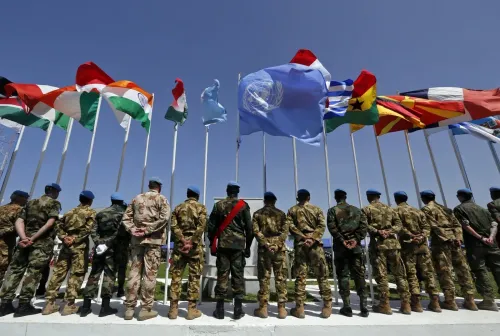
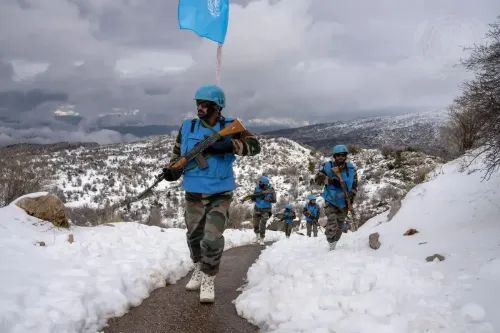
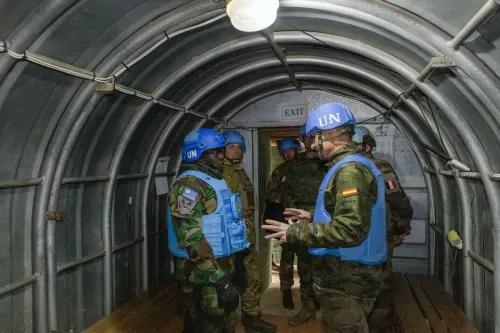
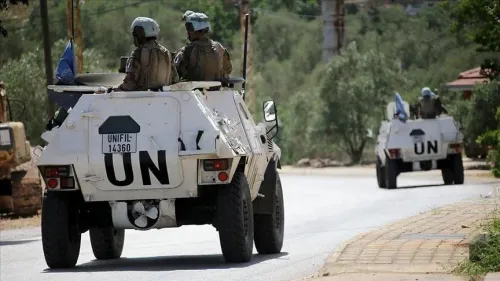
Established in 1978 under UN Security Council Resolutions 425 and 426, and significantly expanded after the 2006 Lebanon-Israel war under Resolution 1701, UNIFIL currently fields around 10,500 peacekeepers drawn from approximately 50 troop-contributing countries. The mission's remit extends well beyond monitoring the UN-demarcated Blue Line: it has conducted demining operations, delivered medical services, and supported environmental and community development projects across the south.
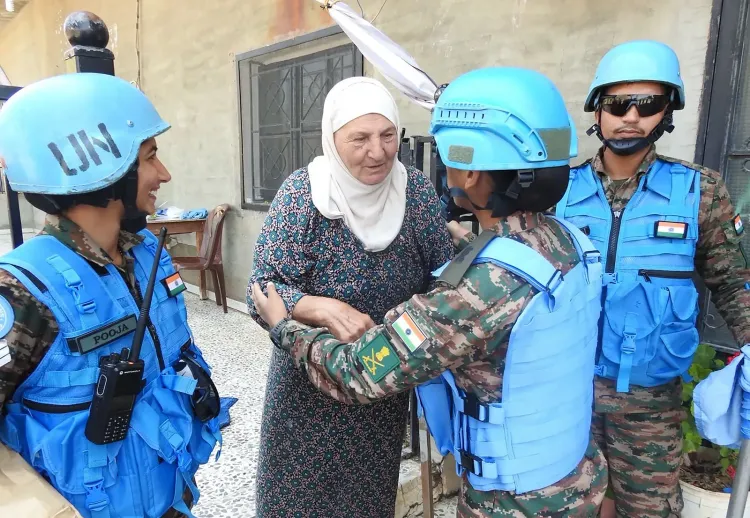
Decades of sustained presence have woven UNIFIL into the social fabric of border towns. Claudie Nahra, a translator with UNIFIL, noted that relations between peacekeepers and locals have evolved from formal cooperation into everyday interaction — and, in some cases, into family bonds. George Al-Qays, a resident of Marjeyoun, said around 34 marriages have taken place between UNIFIL personnel and local residents, with 22 of those in Marjeyoun alone.
Economic Lifeline for Border Communities
The force's economic footprint is considerable. Shops, restaurants, and service providers in border towns have long depended on the custom of thousands of peacekeepers, and the mission has generated both direct and indirect employment for a significant number of residents. For many households, UNIFIL's presence is not an abstract geopolitical arrangement — it is a source of income.
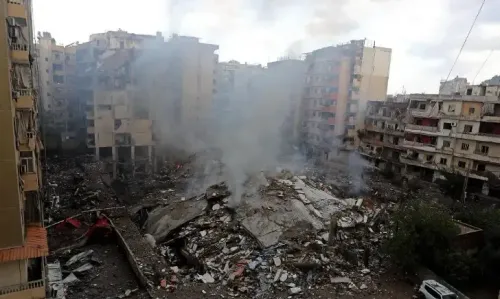
This comes amid a broader backdrop of fragility: southern Lebanon endured more than a year of cross-border hostilities beginning in 2023 before a ceasefire came into effect on 27 November 2024. Residents say effective monitoring and deterrence mechanisms remain essential to prevent a return to conflict.
Troop Numbers Already Declining
The uncertainty is not merely prospective. UNIFIL disclosed in January that more than 1,800 peacekeepers had departed southern Lebanon since early November 2025, following reductions in the UN budget. That drawdown has sharpened concern among communities that had come to regard the blue-helmeted presence as a baseline guarantee of calm.
Lebanon's Government Pushes for Continuity
Beirut has been unequivocal in its position. Lebanese President Joseph Aoun recently reaffirmed his country's commitment to retaining UNIFIL's presence in the south for as long as necessary to fully implement Resolution 1701 and complete the deployment of the Lebanese Army to the internationally recognised border, according to the state-run National News Agency.
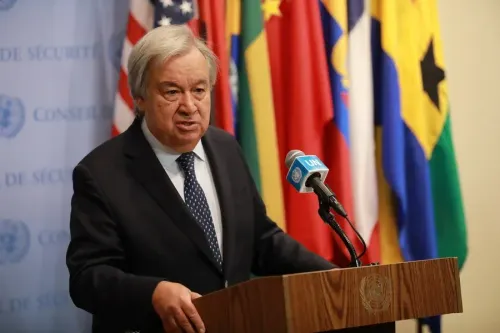
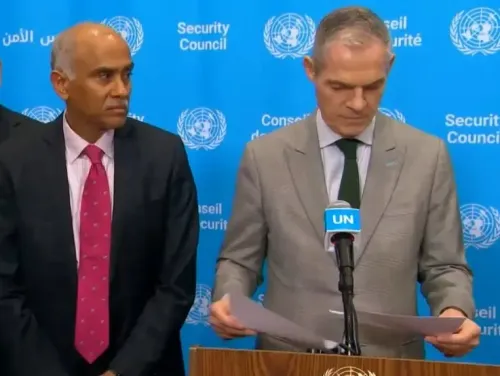
Whether that political will translates into a renewed mandate will depend on negotiations within the Security Council — and on whether member states sustain the financial and troop commitments that have kept the mission operational for nearly five decades. As those talks progress, the residents of southern Lebanon's border communities are watching closely.
Point of View
800 peacekeepers already out the door since November 2025, the de facto thinning of UNIFIL is already underway, mandate or not. The Security Council's budget politics are doing what no formal resolution has: eroding the mission from within. Lebanon's government can reaffirm Resolution 1701 all it wants, but without sustained troop contributions and funding from member states, those reaffirmations are gestures. The communities of Marjeyoun and the Blue Line villages are not waiting for a Security Council vote — they are already calculating what comes next.
NationPress
1 Aug 2026
Frequently Asked Questions
When does UNIFIL's current mandate expire?
UNIFIL's current mandate expires on 31 December 2026, following a UN Security Council extension. Debate over whether and how to renew the mission beyond that date is ongoing, and no decision has yet been announced.
Why are southern Lebanon residents worried about UNIFIL's future?
Residents fear that a reduction or withdrawal of UNIFIL would remove a key source of security monitoring, economic activity, and social services that the force has provided for nearly five decades. The mission employs locals directly and indirectly, and its peacekeepers are deeply embedded in community life.
How many UNIFIL peacekeepers have already left southern Lebanon?
More than 1,800 peacekeepers departed southern Lebanon between early November 2025 and January 2026, according to UNIFIL, following reductions in the UN budget. This has heightened anxiety among border communities ahead of the formal mandate deadline.
What is Lebanon's official position on UNIFIL's presence?
Lebanese President Joseph Aoun has reaffirmed his country's commitment to retaining UNIFIL in southern Lebanon for as long as necessary to fully implement UN Security Council Resolution 1701 and complete the deployment of the Lebanese Army to the internationally recognised border, according to the state-run National News Agency.
What is UN Security Council Resolution 1701 and why does it matter?
Resolution 1701 was adopted after the 2006 Lebanon-Israel war and expanded UNIFIL's mandate to monitor the cessation of hostilities along the Blue Line and support the deployment of the Lebanese Army to the south. It remains the legal and operational foundation for UNIFIL's current role, and Lebanon has cited its full implementation as the benchmark for any eventual withdrawal.