86 Lebanese MPs urge UN to renew UNIFIL mandate before Dec 2026 deadline
Synopsis
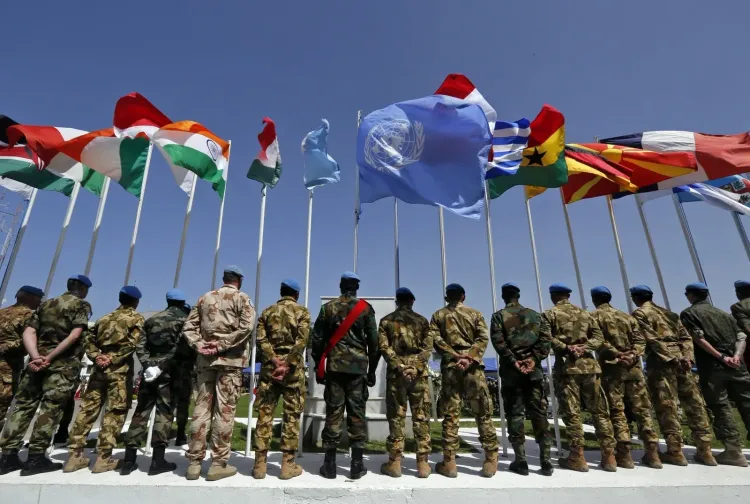
Eighty-six Lebanese MPs — cutting across party lines — have formally petitioned the UN to renew UNIFIL's mandate, warning that pulling the peacekeeping force before conditions are met would leave a dangerous security vacuum in southern Lebanon. With the current mandate expiring on 31 December 2026 and a withdrawal timeline already authorised, the parliamentary letter is a rare show of cross-party unity on a high-stakes regional security question.
Key Takeaways
86 Lebanese parliament members signed a letter on 23 July urging renewal of the UNIFIL mandate.
The letter was handed to UN Special Coordinator Jean Arnault in Beirut as part of a cross-party parliamentary initiative.
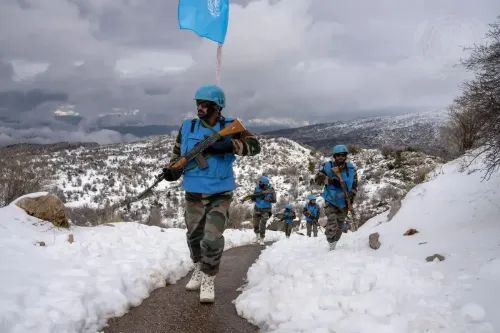
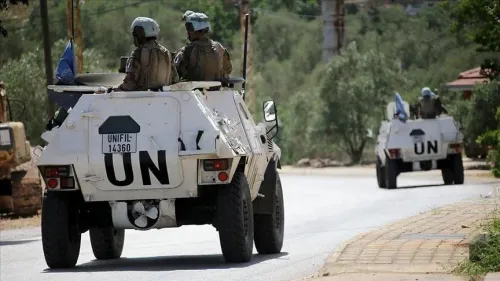
Lawmakers cited UNIFIL's role in monitoring UN Security Council Resolution 1701 and preventing escalation in southern Lebanon.
They warned that premature withdrawal could create a dangerous security vacuum with regional consequences.
A 2025 UN Security Council resolution extended UNIFIL's mandate until 31 December 2026 , with gradual withdrawal authorised thereafter.
Arnault pledged to forward the letter to the UN Secretary-General and Security Council members.
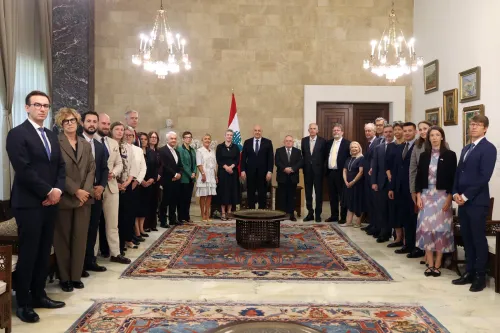
A delegation of Lebanese lawmakers on Thursday, 23 July handed a letter signed by 86 parliament members to UN Special Coordinator for Lebanon Jean Arnault in Beirut, formally urging the renewal and continued presence of the United Nations Interim Force in Lebanon (UNIFIL). The cross-party parliamentary initiative signals broad national consensus on keeping the peacekeeping force operational in southern Lebanon ahead of its scheduled mandate review.
What the Letter Demands
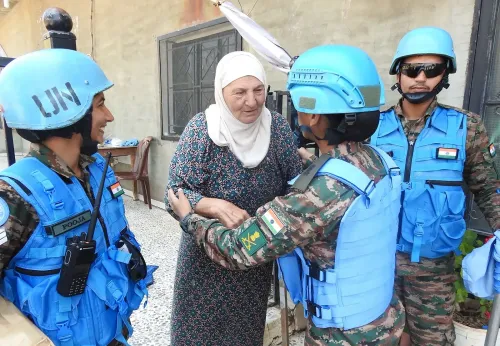
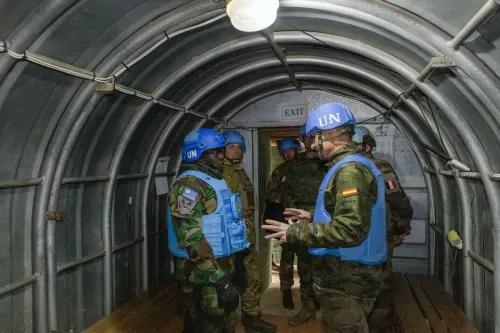
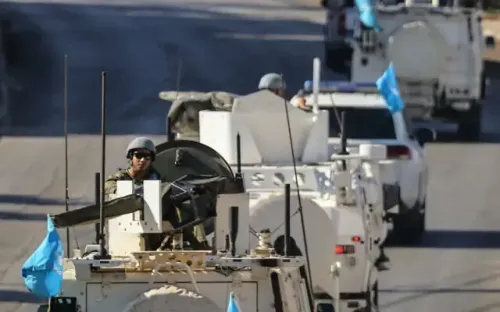
The lawmakers argued that UNIFIL must retain its full operational mandate, particularly during what they described as a critical period for Lebanon and the wider region. They cited the force's core functions: preserving security and stability, monitoring implementation of UN Security Council Resolution 1701, and helping prevent further escalation along the volatile southern frontier.
The delegation contended that the conditions that originally led to UNIFIL's establishment remain firmly in place, pointing to continuing violations and a fragile security environment as justification for an uninterrupted presence.
Broader Role Beyond Security
The signatories stressed that UNIFIL's responsibilities extend well beyond peacekeeping patrols. According to the letter, the force would be essential in supporting future political arrangements, conducting demining and unexploded ordnance clearance, monitoring compliance with ceasefire terms, and assisting the Lebanese Armed Forces and state institutions in extending government authority across Lebanese territory — tasks that no alternative mechanism currently exists to perform.
Warning Against Premature Withdrawal
The lawmakers issued a pointed warning: reducing or ending the mission before the conditions for its withdrawal are met could create a dangerous security vacuum with severe consequences for both Lebanese and regional stability. This concern is particularly acute given the fragile post-conflict environment in southern Lebanon.
Arnault's Response and UN Timeline
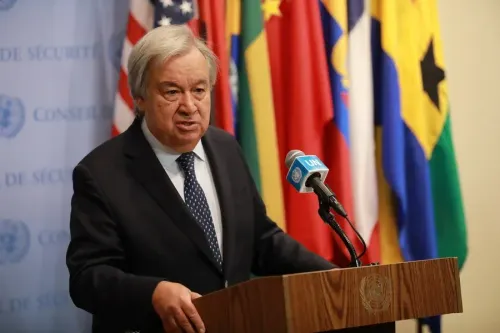
Jean Arnault acknowledged receipt of the letter and said he would forward it, along with accompanying documents, to the UN Secretary-General and Security Council members through appropriate channels. He expressed appreciation for the parliamentary initiative and its support for continued Lebanon-UN cooperation.
The backdrop is a 2025 UN Security Council resolution that extended UNIFIL's mandate until 31 December 2026 and authorised its gradual withdrawal thereafter. The lawmakers' letter is a direct effort to influence deliberations before that deadline arrives and withdrawal planning accelerates.
Point of View
Not the letter itself. Lebanon's parliament rarely agrees on anything, which makes this degree of consensus a meaningful signal. Yet the initiative also reflects the Lebanese state's structural dependence on UNIFIL: without the force, the Lebanese Armed Forces lack the capacity, resources, and international backing to hold the line in the south on their own. The deeper question mainstream coverage skips is whether a renewed mandate, absent a durable political settlement between Israel and Lebanon, simply delays an inevitable reckoning. UNIFIL has been 'interim' since 1978 — nearly five decades. Renewal without a credible end-state risks institutionalising a temporary fix as a permanent substitute for the hard diplomacy that Resolution 1701 was always meant to enable.
NationPress
22 Oct 2026
Frequently Asked Questions
Why are Lebanese MPs urging the UN to renew UNIFIL's mandate?
Lebanese lawmakers say UNIFIL remains essential because the security conditions that led to its creation — continuing violations and a fragile situation in southern Lebanon — have not been resolved. They warn that ending the mission prematurely could create a dangerous security vacuum with consequences for regional stability.
What is UNIFIL and what does it do in Lebanon?
UNIFIL, the United Nations Interim Force in Lebanon, is a UN peacekeeping mission deployed in southern Lebanon. It monitors implementation of UN Security Council Resolution 1701, supports the Lebanese Armed Forces, conducts demining operations, and works to prevent military escalation along the Lebanese-Israeli frontier.
When does the current UNIFIL mandate expire?
A UN Security Council resolution passed in 2025 extended UNIFIL's mandate until 31 December 2026 and authorised its gradual withdrawal thereafter. The Lebanese parliamentary letter is aimed at influencing deliberations before that deadline.
How many Lebanese lawmakers signed the letter to the UN?
Eighty-six members of the Lebanese parliament signed the letter, which was delivered to UN Special Coordinator for Lebanon Jean Arnault in Beirut on 23 July. The broad cross-party support was described by the delegation as reflecting a national consensus.
What did UN Special Coordinator Jean Arnault say in response?
Arnault said he would forward the letter and accompanying documents to the UN Secretary-General and Security Council members through appropriate channels. He expressed appreciation for the parliamentary initiative and its backing for continued Lebanon-UN cooperation.