EU weighs joint stabilisation plan for southern Lebanon as UNIFIL exits
Synopsis
With UNIFIL set to exit southern Lebanon by end of December, the EU is scrambling to fill the security void — and Italy's top diplomat is pushing hard for a joint European stabilisation mission. The stakes are stark: without a credible alternative presence, the region risks sliding back into open conflict between Israel and Hezbollah, with Lebanese civilians caught in the middle.
Key Takeaways
Italian Deputy PM Antonio Tajani confirmed on 28 May that the EU is evaluating joint initiatives to stabilise southern Lebanon after UNIFIL ends.
UNIFIL ceases operations at the end of December , with personnel withdrawal extending over the following year.
Israel bombed Tyre and Beirut and issued evacuation orders north of the Zharani River , roughly 40 km from the Israeli border.
Tajani called for Hezbollah disarmament and urged Israel to halt strikes in civilian areas.
The EU has committed development aid for communities in southern Lebanon affected by the conflict.
No formal EU decision has been taken; Tajani said 'ultimately a decision will have to be made.'
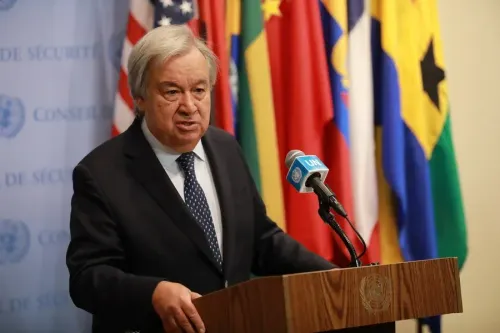
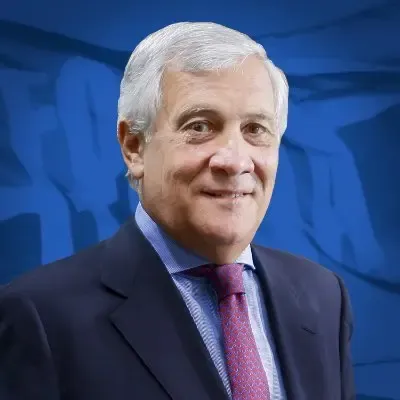
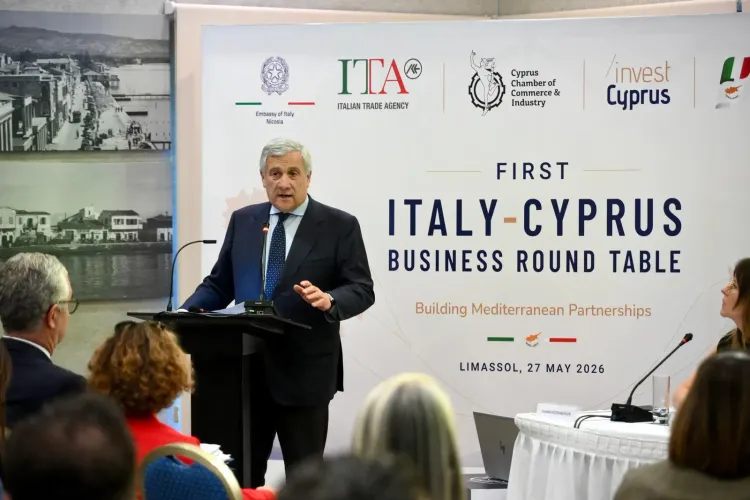
The European Union is actively evaluating joint initiatives to stabilise southern Lebanon following the scheduled end of the United Nations Interim Force in Lebanon (UNIFIL) peacekeeping mission, Italian Deputy Prime Minister and Foreign Minister Antonio Tajani said on Thursday, 28 May. Speaking on the sidelines of an informal EU foreign ministers meeting in Limassol, Cyprus, Tajani indicated that while no decision has been finalised, European capitals are in active consultation over a post-UNIFIL security framework.
UNIFIL Withdrawal Timeline
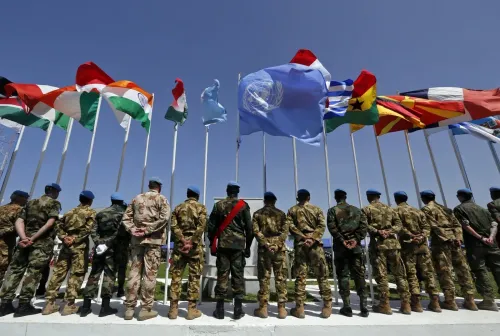
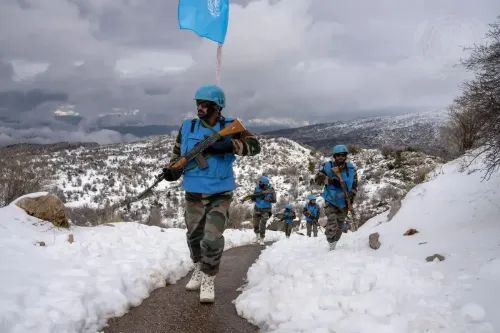
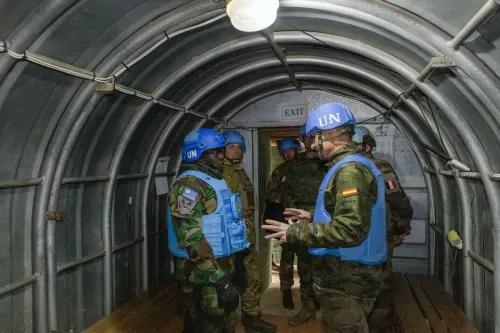
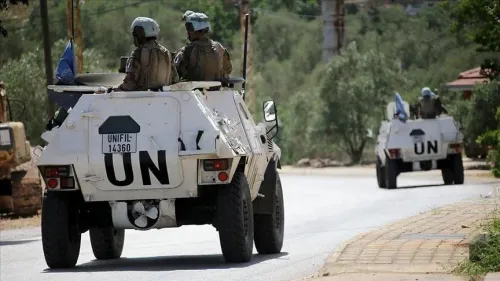
UNIFIL is set to cease operations at the end of December, with a phased withdrawal of personnel extending over the following year. The mission has long served as a buffer between Israel and Hezbollah forces in the south of the country, and its departure raises urgent questions about who fills the resulting security vacuum.
'We discussed this, but ultimately a decision will have to be made, and we will have to see if it can be implemented,' Tajani told reporters in Limassol.
What Europe Is Considering
'We are evaluating what joint European initiatives we can adopt to help stabilise the situation, to strengthen the legitimate Lebanese authorities and thus avert a new war that could primarily affect civilians in the south of the country,' Tajani said. He did not specify whether the EU was considering a new military mission, a civilian monitoring presence, or a combination of both.
Tajani also announced that the EU has decided to channel development aid directly to communities in southern Lebanon bordering Israel. 'These are people who are suffering from a war for which they bear no responsibility,' he said.
Tajani Urges Israel to De-escalate
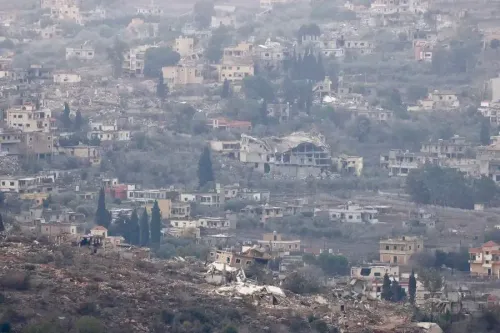
Italian Foreign Minister Tajani issued a direct call for Israel to halt its strikes in southern Lebanon, as Israeli forces bombed areas including the city of Tyre and the capital Beirut. The Israeli military had issued large-scale evacuation orders directing residents to move north of the Zharani River, approximately 40 kilometres from the Israeli border, warning it would act with 'extreme force.'
'We must de-escalate the situation and ensure that a comprehensive peace agreement can be reached on Iran and Lebanon,' Tajani said. He added that Hezbollah must be disarmed and a Lebanese state free from 'fundamentalist diktats' must be built, while simultaneously insisting that Israel 'cannot bomb areas where there are civilians.'
Broader Context and What Comes Next
This comes amid a sharply deteriorating security situation along the Israel-Lebanon border, with Hezbollah — the Iran-backed militant group — continuing to operate in southern Lebanon despite sustained Israeli military pressure. The prospect of a post-UNIFIL security gap has alarmed European governments that contribute troops to the mission, including Italy, France, and Spain.
Notably, any EU-led stabilisation effort would require consensus among member states — a politically complex ask given divergent positions on the Israel-Gaza conflict. The Limassol meeting is expected to produce no binding decisions, but Tajani's remarks signal that the conversation has moved beyond contingency planning. A formal EU proposal, if it materialises, would likely come before the December deadline.
Point of View
And the EU's track record on rapid consensus in conflict zones is not reassuring. The call to disarm Hezbollah and simultaneously restrain Israel reflects the classic European bind: principled on paper, limited in leverage. If Brussels cannot agree on a stabilisation framework before December, southern Lebanon's civilians will pay the price of that diplomatic paralysis.
NationPress
19 Sept 2026
Frequently Asked Questions
Why is UNIFIL ending its mission in southern Lebanon?
UNIFIL is scheduled to cease operations at the end of December, with personnel withdrawing over the following year. The mission's mandate has faced mounting pressure amid the renewed Israel-Hezbollah conflict, though the precise reasons for the closure have not been fully detailed in official statements.
What EU stabilisation measures are being considered for Lebanon?
The EU is evaluating joint European initiatives to strengthen legitimate Lebanese authorities and prevent a new war in the south of the country, according to Italian Foreign Minister Antonio Tajani. No specific mechanism — military mission, civilian monitoring, or otherwise — has been formally proposed as of 28 May.
What did Italy's Antonio Tajani say about Israel's military operations?
Tajani urged Israel to de-escalate its strikes in southern Lebanon, stating that Israel 'cannot bomb areas where there are civilians.' He was speaking after Israeli forces bombed Tyre and Beirut and issued evacuation orders for residents south of the Zharani River.
Who is affected by the conflict in southern Lebanon?
Civilians in southern Lebanese villages bordering Israel are most directly affected. The EU has announced development aid funding for these communities, whom Tajani described as 'people who are suffering from a war for which they bear no responsibility.'
What is Hezbollah's role in the current Lebanon crisis?
Hezbollah, the Iran-backed militant group operating in southern Lebanon, is at the centre of the conflict with Israel. Tajani called for Hezbollah's disarmament and the establishment of a Lebanese state free from what he termed 'fundamentalist diktats.'