US asylum rules overhauled to bypass interviews, cut backlog
Synopsis
The Trump administration has quietly rewritten a foundational step in the US asylum process — eliminating the initial USCIS interview for certain applicants and routing cases straight to immigration judges. Advocates say removing the credibility-assessment requirement alongside it is the rule's most alarming feature, and one that mainstream coverage has largely underplayed.
Key Takeaways
The Trump administration issued an interim final rule on 28 July allowing USCIS to refer affirmative asylum applications directly to immigration judges without an initial interview.
DHS said the rule took effect immediately ; public comments will be accepted before a final version is issued.
USCIS Director Joseph Edlow said the asylum system had been exploited for delay and work authorisation rather than legitimate protection claims.
Advocacy group FWD.us called the move deeply alarming, warning it removes credibility-assessment requirements and bypasses standard notice-and-comment rulemaking.
The change comes as protections for nationals of Haiti and Syria face termination, with court orders pausing TPS endings for Burma , Ethiopia , Somalia , South Sudan , and Yemen .
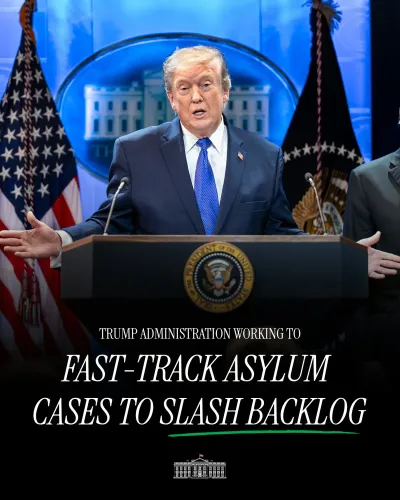
The Trump administration on 28 July overhauled the US asylum system, introducing an interim final rule that allows US Citizenship and Immigration Services (USCIS) to refer affirmative asylum applications directly to immigration judges — without first conducting an initial interview. The Department of Homeland Security (DHS) said the rule took effect immediately, while immigrant advocacy groups warned it would strip applicants of basic due process protections.
What the New Rule Changes
Under existing procedure, affirmative asylum applicants — those not already in removal proceedings — are interviewed by USCIS officers before their cases are forwarded, if needed, to immigration judges at the Department of Justice. The interim final rule removes that interview step for certain applications, allowing USCIS to send cases straight to an immigration judge. DHS said the change would shorten adjudication timelines for both asylum officers and judges.
The department also noted that the existing two-step process could effectively give some applicants a second opportunity to seek asylum — a dynamic officials described as a structural inefficiency. Notably, DHS said it would accept public comments before issuing a final version of the rule, even as the interim measure is already operative.
What the Government Said
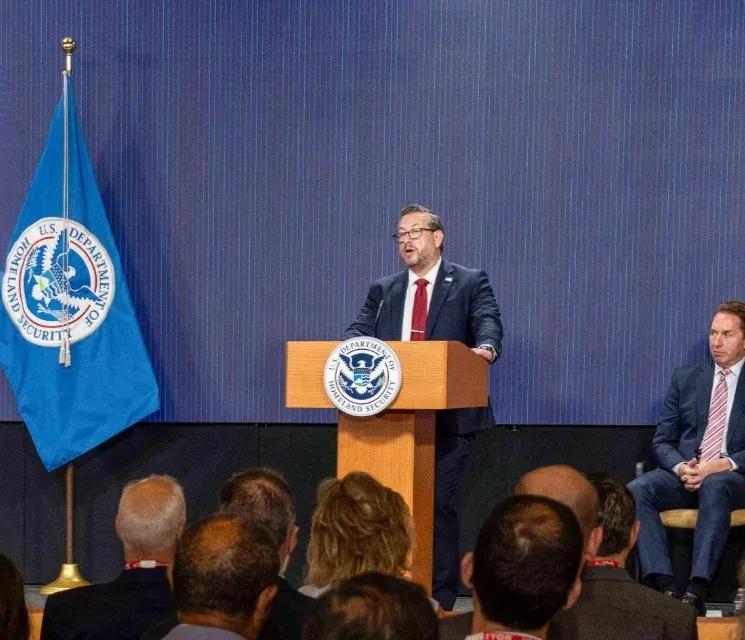
USCIS Director Joseph Edlow defended the rule in pointed terms. For far too long the asylum system has been exploited for purposes of delay and work authorisation, not legitimate claims of protection,
he said. He added that the rule would ensure resources are directed toward the timely adjudication of genuine protection claims instead of to those seeking to use the system as a loophole.
DHS General Counsel James Percival went further, attributing delays to undocumented immigrants and their legal representatives. One of the greatest barriers to effective immigration enforcement is intentional delay by illegal aliens and the open borders attorneys who represent them,
Percival said, adding that his office works with DHS immigration components daily to improve efficiency and fulfil what he described as the President's mandate.
Advocates Warn of Due Process Risks
Immigration advocacy organisation FWD.us described the regulation as a sharp departure from decades of established USCIS practice. The group highlighted that the rule would also remove a requirement for referral letters sent to immigration judges to include an assessment of an applicant's credibility — a safeguard critics say is fundamental to fair adjudication.
FWD.us also flagged procedural concerns, arguing that implementing the measure as an interim final rule bypassed the standard notice-and-comment process. The organisation called the decision deeply alarming and harmful,
saying it would deny asylum applicants basic due process.
Broader Context: TPS and Pending Cases
The rule change arrives as hundreds of thousands of people await decisions on Temporary Protected Status (TPS). According to FWD.us, protections for nationals of Haiti and Syria could end soon following a Supreme Court ruling, while court orders have paused terminations for individuals from Burma, Ethiopia, Somalia, South Sudan, and Yemen. The timing adds urgency to concerns about the fairness of expedited asylum processing for vulnerable populations.
This is the latest in a series of immigration policy shifts under the Trump administration aimed at reducing a substantial case backlog that has accumulated over years. Whether the rule survives legal challenges from advocacy groups remains to be seen.
Point of View
Yet it has received the least scrutiny. Historically, initial USCIS interviews have served as an early filter for clearly meritorious cases; bypassing them risks pushing a larger volume of underprepared cases onto an immigration court system already under severe strain. The rule's implementation as an interim final measure, sidestepping notice-and-comment, also sets a precedent for speed-over-process that courts may scrutinise closely.
NationPress
28 Jul 2026
Frequently Asked Questions
What does the new US asylum rule change?
The rule allows USCIS to refer affirmative asylum applications — those filed by people not in removal proceedings — directly to immigration judges without first conducting an initial interview. It took effect immediately on 28 July, with public comments to be accepted before a final version is issued.
Why did the Trump administration introduce this rule?
DHS said the change would shorten adjudication timelines and reduce a large case backlog. USCIS Director Joseph Edlow argued the asylum system had been exploited for delay and work authorisation rather than genuine protection claims.
What are advocates saying about the rule?
Immigration advocacy organisation FWD.us described the rule as a sharp departure from decades of USCIS practice. It warned the change removes a requirement for credibility assessments in referral letters and bypasses the standard notice-and-comment rulemaking process, calling it 'deeply alarming and harmful' to due process.
Who is affected by this asylum rule change?
The rule primarily affects affirmative asylum applicants — people who file for asylum without being in removal proceedings. The change also has implications for hundreds of thousands awaiting Temporary Protected Status decisions, including nationals of Haiti, Syria, Burma, Ethiopia, Somalia, South Sudan, and Yemen.
What is the difference between affirmative and defensive asylum applications?
Affirmative asylum applications are filed by people who are not currently in removal proceedings and are handled by USCIS. Defensive asylum applications are filed by people already facing removal and are decided by immigration judges at the Department of Justice. The new rule blurs this distinction by routing affirmative cases directly to judges.