PM Modi Invokes Sanskrit Verses to Champion Nature Conservation
Synopsis
Prime Minister Narendra Modi invoked Sanskrit scripture on 28 July 2026 to assert that humanity's welfare is rooted in the conservation and reverence of nature, reinforcing India's long-standing civilisational framing of its environmental and climate commitments.
Key Takeaways
PM Modi posted on 28 July 2026 linking human welfare to nature conservation and respect.
He quoted Sanskrit shlokas referencing cosmic timekeepers — seasons, months, years, and moments — as forces that sustain life.
The post frames environmental protection as a dharma-aligned, scriptural obligation rooted in Indian tradition.
India has consistently used civilisational arguments at global climate forums including COP summits since 2015 .
The post was accompanied by a video, indicating deliberate, curated communication around a sustainability theme.
Analysts will watch for a follow-up policy announcement or a pre-COP statement building on this message.
Prime Minister Narendra Modi on Tuesday, 28 July 2026, shared a message on X linking the welfare of humanity to the protection and reverence of nature, drawing on ancient Sanskrit scripture to reinforce India's civilisational approach to environmental stewardship.
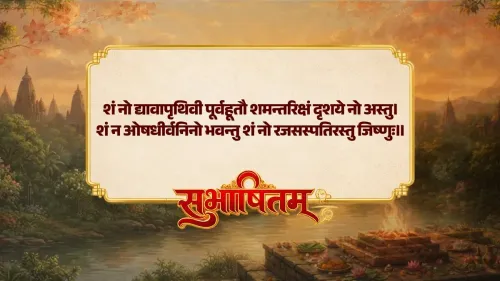
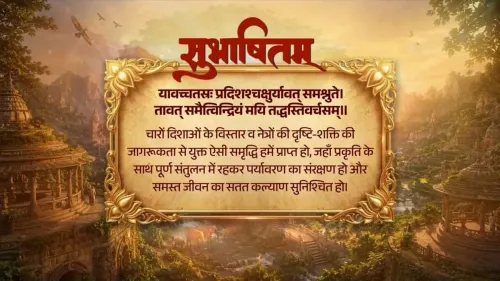
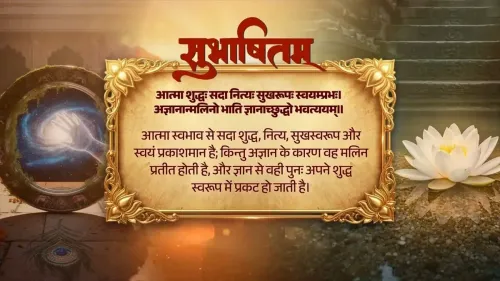
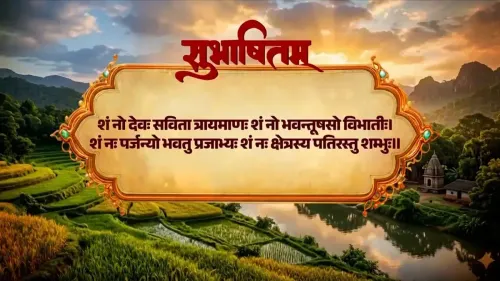
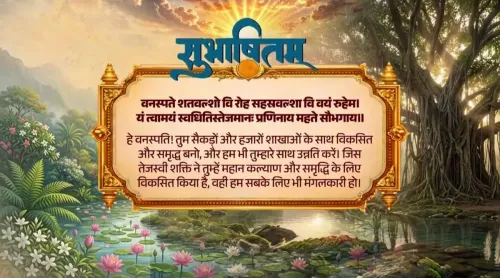
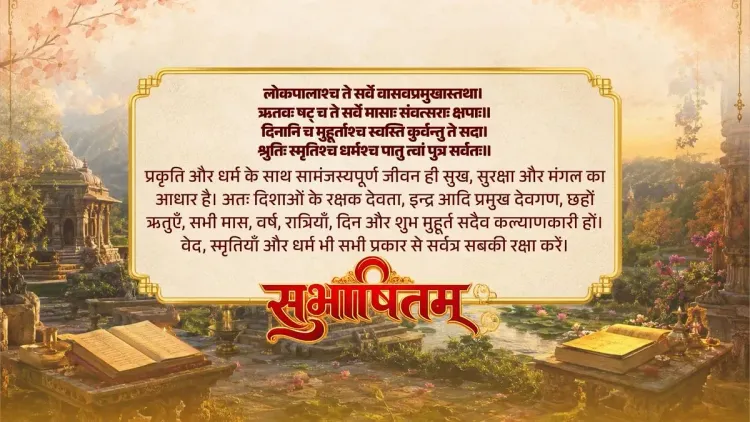
In his post, Modi wrote: 'प्रकृति के संरक्षण और सम्मान में ही मानवता का कल्याण निहित है' — 'The welfare of humanity lies in the conservation and respect of nature.' He added that India's own tradition inspires this dharma-aligned conduct, before quoting two Sanskrit shlokas that invoke the guardians of the world, the six seasons, months, years, days, and auspicious moments as eternal blessings upon all beings.
Context
The Sanskrit verses quoted by Modi reference cosmic timekeepers — seasons (ritavah), months (masah), years (samvatsarah), and moments (muhurtah) — as forces that sustain life and confer well-being. The third line, 'Shrutih smritishcha dharmashcha' — 'the Vedic texts, the remembered tradition, and righteousness' — frames environmental care as a moral and scriptural obligation, not merely a policy choice.
The post accompanies a video, indicating a curated media presentation rather than a spontaneous remark, suggesting deliberate communication around a nature or sustainability theme.
Policy Backdrop
Modi has consistently positioned India's environmental commitments within a civilisational frame. At the 2015 Paris Climate Conference and subsequent Conference of Parties (COP) summits, India argued that its ancient ethos of living in harmony with nature predates modern sustainability frameworks and lends moral authority to its climate equity demands.
Domestically, the Swachh Bharat Mission, launched in 2014, explicitly linked cleanliness and environmental hygiene to traditional values of purity and respect for prakriti (nature). Afforestation drives and river-cleaning programmes have similarly been communicated through the vocabulary of cultural duty rather than regulatory compliance alone.
India has also championed the concept of vasudhaiva kutumbakam — 'the world is one family' — at multilateral forums, using it to argue for climate equity and technology transfer to developing nations.
Stakeholders and Impact
The message speaks directly to environmental advocates who seek stronger governmental commitment to conservation, as well as to rural communities whose livelihoods depend on healthy ecosystems. By grounding the appeal in scripture, the communication also reaches audiences who respond to cultural and religious framing over technocratic policy language.
At the international level, such statements reinforce India's narrative at climate negotiations: that the country's environmental ethic is deep-rooted, not merely reactive to external pressure. This carries diplomatic weight as India negotiates carbon commitments and climate finance with developed economies.
What's Next
Observers will watch whether this post precedes a formal policy announcement — a new afforestation target, a conservation scheme, or a statement ahead of an upcoming environmental summit. India's positioning at the next Conference of Parties and any integration of traditional ecological knowledge into national climate adaptation plans will be the concrete follow-through to watch.
As climate negotiations grow more contentious globally, India's ability to blend moral-civilisational arguments with hard policy commitments may prove a distinctive and influential diplomatic asset.
Point of View
Functioning as both soft power and a negotiating posture at COP tables. The absence of a specific policy hook in this post suggests it may be laying communicative groundwork ahead of a larger announcement or international engagement. Whether rhetoric translates into measurable conservation targets remains the question that stakeholders and diplomats will press.
NationPress
26 Oct 2026
Frequently Asked Questions
What did PM Modi say about nature conservation on 28 July 2026?
PM Modi posted on X that the welfare of humanity lies in the conservation and respect of nature, quoting Sanskrit shlokas that invoke the seasons, months, and cosmic timekeepers as blessings for all beings.
Which Sanskrit verses did Modi quote in his environment post?
Modi quoted shlokas referencing 'lokpalashcha' (guardians of the world), the six seasons ('ritavah'), months, years, days, and auspicious moments, closing with a line on Shruti, Smriti, and Dharma — Vedic and remembered tradition and righteousness.
How has India used cultural arguments in climate diplomacy?
Since the 2015 Paris Climate Conference, India has argued at COP summits that its ancient ethos of living in harmony with nature — captured in concepts like vasudhaiva kutumbakam and prakriti — gives it a deep civilisational commitment to sustainability beyond modern policy frameworks.
What is Modi's approach to linking tradition and environment policy?
Modi frequently frames conservation, cleanliness, and sustainability through the lens of Indian scripture and tradition, as seen in the Swachh Bharat Mission launched in 2014, afforestation drives, and river-cleaning programmes communicated as acts of cultural duty.
What should we watch for after Modi's nature conservation post?
Observers will look for a formal policy announcement — such as a new conservation scheme or afforestation target — or a statement ahead of the next Conference of Parties, where India is expected to reiterate its civilisational approach to climate equity.